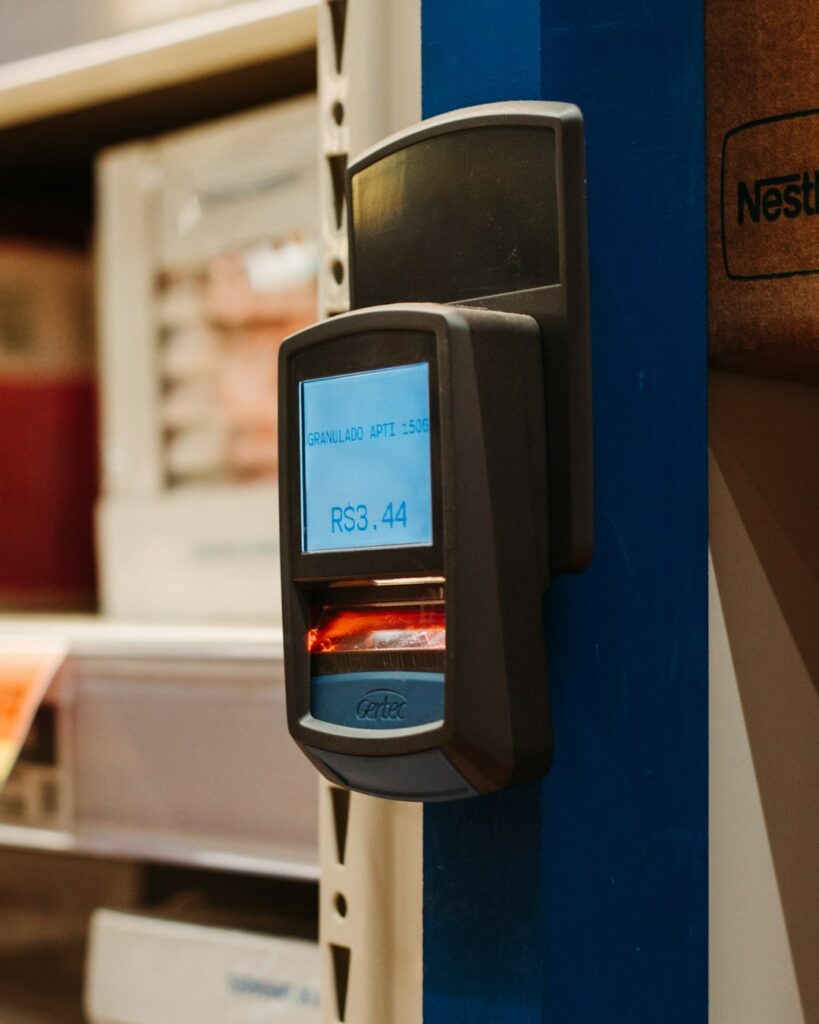
Picture a busy retail store during the holiday rush. The shelves are packed, customers line up, and every second matters. Staff members often fall behind because they rely on outdated ways to track inventory, like handwritten logs or slow spreadsheet entries. Barcode scanners offer a straightforward fix. They speed up stock management and cut down mistakes, making day-to-day operations smoother and more reliable.
These devices read the barcodes printed on each product and convert that into data the inventory system understands. This means a shop can track sales immediately as items pass the scanner. For example, a grocery store can update stock levels right at checkout, which keeps inventory current and prevents running out of popular items. It also helps with reordering supplies automatically, so managers don’t have to manually check every item.
Accuracy is a big deal here. Typing in product codes by hand invites errors that pile up over time. With barcode scanners, every scanned item is logged precisely. In warehouses where hundreds of products move daily, scanning minimizes human mistakes that might otherwise cause inventory mismatches or lost stock. Staff also get used to scanning as part of their routine, reducing the chance of missing items or double counting.
Investing in barcode scanners demands upfront costs for hardware and software. But businesses often recoup these expenses by saving staff hours previously spent on manual entries and correcting errors. Many modern scanners come with wireless options, allowing employees to scan products anywhere on the floor or in storage without being tied to a computer terminal. This mobility speeds up processes and reduces bottlenecks.
Integration with existing inventory software usually requires minimal adjustments. Most systems support a range of scanner models and can be tailored to specific workflows. For companies wanting more flexibility, mobile scanning apps let staff use smartphones or tablets to scan barcodes, avoiding new hardware purchases. If you want to explore how these tools work in real settings, see dear inventory systems.
Practical details matter when running inventory with scanners. For instance, training staff to verify scanned data against product descriptions on screen can catch mismatches early. Keeping scanners charged and regularly cleaning their lenses prevents frequent downtime. Also, logging scans immediately in the system helps avoid delays that cause order errors later. Simple habits like these save rework and keep stock counts trustworthy.
Skepticism about adopting new technology is common but understandable. Still, barcode scanners deliver clear benefits: faster processing, fewer errors, and better stock control all lead to smoother customer experiences. Retailers who take advantage of these tools often see less frustration at checkout and fewer emergency restocks.
Choosing the right system involves matching current needs with plans for growth. Consider how many products move daily, your staff’s tech comfort level, and which software you already use before investing. Detailed product lists and regular stock audits complement scanning to keep everything aligned. For practical advice on implementing barcode technology effectively, check out barcode system tips.