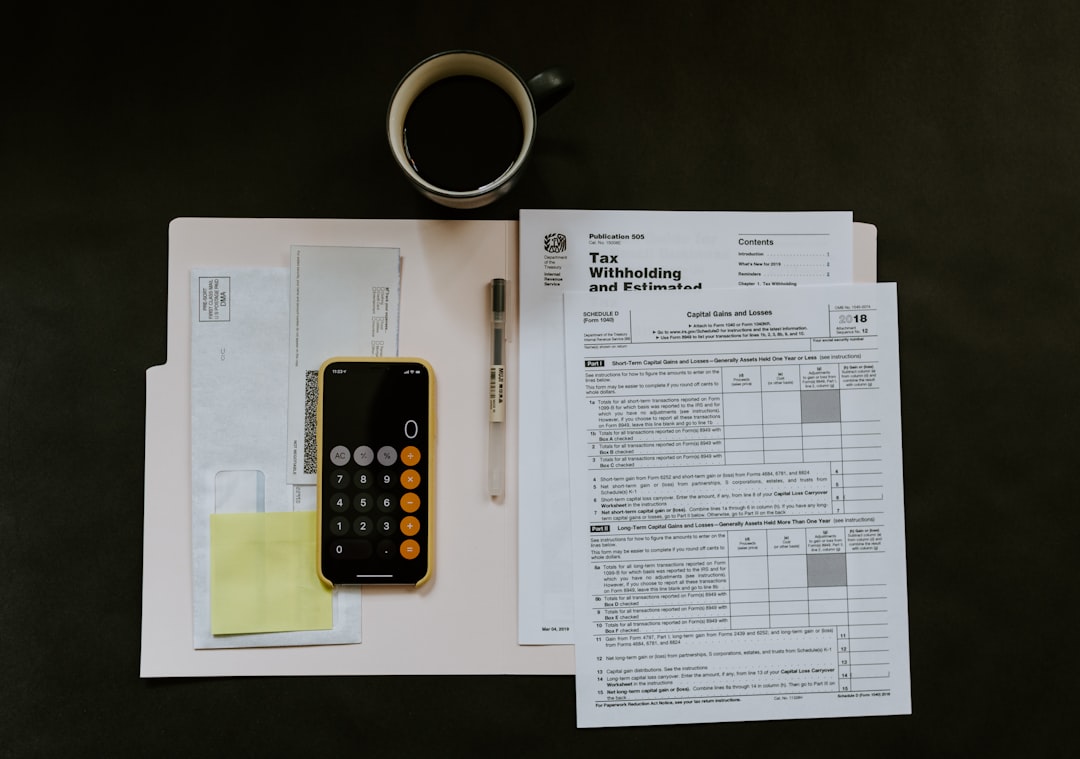
If you’re a business owner in Perth thinking about selling your company, figuring out its real value is non-negotiable. A business valuation calculator can give you a solid estimate by factoring in your financial results, current market trends, and industry benchmarks. But don’t rely on the number alone. Dig into what actually drives value in your sector. If you run a retail operation, things like foot traffic, inventory turnover, and repeat customers matter. For service providers, dependable client relationships and your reputation often weigh heavily on the price. Understanding these elements helps you target improvements that genuinely boost your bottom line.
Preparing your business for sale well before listing it is a step many skip. Growing your business before selling can make a big difference. This might mean launching new products or tightening customer service to bring in more clients. Such moves not only raise your valuation but also make your business more attractive to buyers who want immediate growth potential. An accountant or business advisor can help tailor strategies to your situation, ensuring you focus on areas with the highest return.
You also need to consider how much you can safely ask for without putting your financial future at risk. This means knowing your personal expenses, debts, and lifestyle needs after the sale closes. It’s common to overlook these details and end up with a gap in cash flow once the business is gone. A thorough review of your finances alongside your company’s value gives you a realistic target price. Getting advice from financial planners can help you avoid surprises and structure the sale to meet your goals.
When you’re ready to sell, having an exit plan is just as important as knowing the value. Timing matters , selling during a slow season or when the market dips can cost you thousands. You’ll also face emotional challenges letting go of something you’ve built, which can cloud judgment. Planning ahead means setting a timeline, deciding on deal terms, and preparing key documents like tax returns and contracts. These steps keep the process efficient and help prevent last-minute hitches that could derail negotiations.
One practical tip is to keep detailed records of customer contracts, supplier agreements, and employee details. Buyers will ask for these during due diligence, and missing paperwork can stall or reduce offers. It’s also common for sellers to underestimate how much time negotiations take; patience goes a long way here. Those who use a business valuation calculator often find it easier to justify their asking price and negotiate confidently with buyers.
After valuing your business, you might want resources that break down the selling process in Perth specifically. Guides or eBooks from local advisors can clarify issues around licenses, tax obligations, and market conditions unique to Western Australia. These materials often include checklists for prepping your business and tips on avoiding common pitfalls like overstating earnings or ignoring liabilities.
It’s also wise to connect with professionals who understand regional nuances. Whether it’s legal advice on contract terms or insights into buyer behaviour in Perth’s economy, local expertise matters. For example, economic shifts affecting mining or agriculture sectors might influence buyer interest and price expectations. You can find more information through selling a business in perth, which covers practical aspects of preparing for sale and understanding local market trends.
Clients who have used detailed valuation services report feeling more grounded throughout the sale process. Having solid data on hand reduces guesswork and strengthens negotiating positions. It’s common for sellers to revisit their numbers multiple times as they field offers, so keeping everything transparent and well-documented makes those discussions smoother.
In short, getting the right valuation tools and advice isn’t just about setting a price; it’s about building a stronger business that sells well. Focus on real metrics that buyers care about, prepare thoroughly, and don’t overlook how personal finances tie into your decisions. The right approach puts you ahead of most sellers who jump in unprepared.