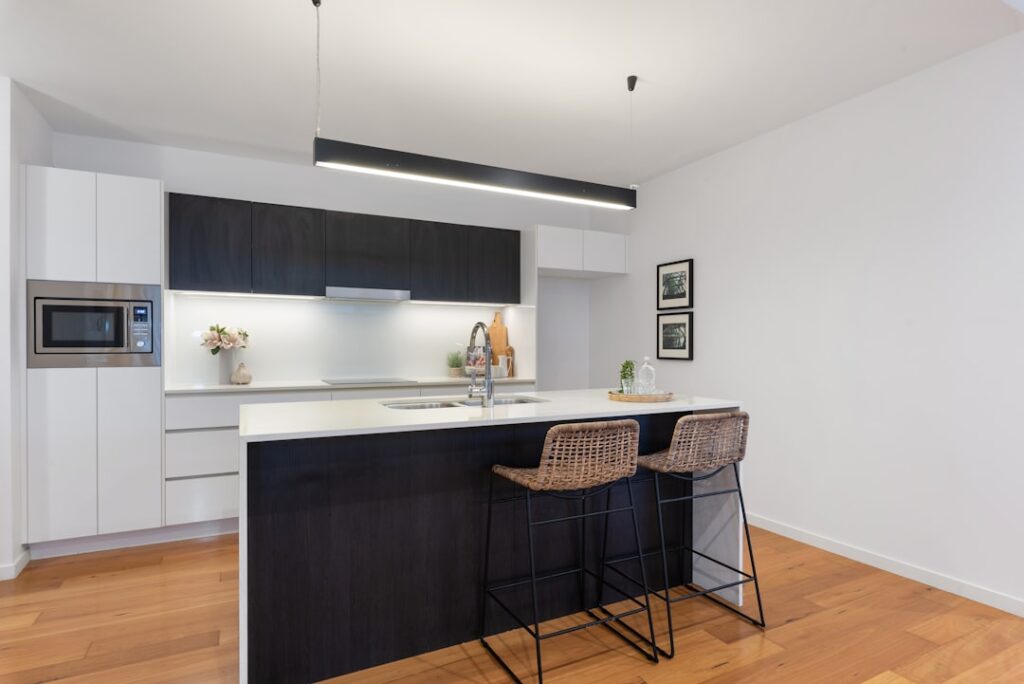
Walking into a kitchen showroom can feel like stepping into a maze of options, especially when it comes to benchtops. You want something that looks good and lasts, but the variety, from laminate and timber to stone, can be daunting. Stone benchtops are popular for their blend of toughness and style, yet picking the right stone for your kitchen or business space requires careful thought. Knowing how different stones behave under everyday use will save you headaches later.
Granite is a solid pick if durability is high on your list. It’s a natural igneous rock formed from cooled magma, which makes it tough against scratches and heat, a real asset if you cook often or handle hot pots. Still, granite is porous and needs sealing every year or two to avoid staining. Many people overlook this maintenance step, only to find their counters stained or dull sooner than expected. A simple routine of sealing and gentle cleaning with mild soap keeps granite looking good for years.
Quartz offers a practical alternative. It’s engineered by binding crushed stone with resin, creating a non-porous surface that resists stains and bacteria better than granite. This makes quartz appealing for commercial kitchens where hygiene matters. It also delivers consistent colour and pattern, so you won’t find those unique natural variations that some homeowners love about granite or marble. Keep in mind, quartz surfaces can resist common kitchen mishaps but may discolor under prolonged exposure to high heat or strong chemicals.
Marble stands out for its timeless elegance and distinctive veining. It’s often chosen for bathrooms or spaces where appearance matters more than heavy use. However, marble is softer than other stones, prone to scratches and etching from acidic spills like lemon juice or vinegar. In busy commercial settings, this means frequent upkeep or earlier replacement. For homeowners, using coasters and cutting boards is a must to protect marble surfaces from wear and staining.
Don’t forget that stone benchtops aren’t light. Granite and marble slabs can be very heavy, often requiring reinforced cabinetry or professional installers who understand the weight involved. Skimping on support risks cracks or structural damage down the line. It’s wise to discuss these factors with your installer upfront, including any extra costs for reinforcement. Cleaning stone is straightforward with mild soap and water; harsh cleaners can damage the finish and should be avoided.
Your choice boils down to how you use the space. If the kitchen doubles as a family hub with kids around, quartz’s durability might suit you best. For areas where visual impact matters more than heavy wear, like a bathroom vanity, marble can provide that luxurious feel without constant worry about scratches. Granite strikes a balance between natural beauty and function but demands some care.
For a wide selection of styles and colours available locally, stone benchtops melbourne offers many options tailored for different budgets and tastes. Before making a final decision, check warranty details and aftercare services from suppliers, they often cover things customers forget to ask about but make a big difference over time. Also, clarify what happens if a slab has unexpected flaws; some suppliers replace defective pieces at no extra cost.
If you want detailed advice on fitting stone benchtops specifically for your home or business needs, custom stone installation advice is worth exploring. Many installers provide consultations that include measuring your space accurately, assessing cabinet strength, and suggesting the best stone type for your lifestyle. Getting these details right upfront avoids costly rework and frustration later on.