Managing a fleet means dealing with all sorts of issues, and one problem fleet managers often face is poor tyre performance affecting fuel efficiency and safety. Drivers might report slipping on wet roads or higher fuel consumption on certain routes. Picking the right tyres can fix those problems before they start.
Load capacity is a major factor in tyre selection. Tyres need to support the vehicle’s weight plus its cargo without losing grip or stability. Consider vehicles hauling construction materials or heavy machinery; tyres with a higher load index prevent sidewall damage and reduce the risk of blowouts. Ignoring this can lead to premature tyre failure, which means downtime and repair costs.
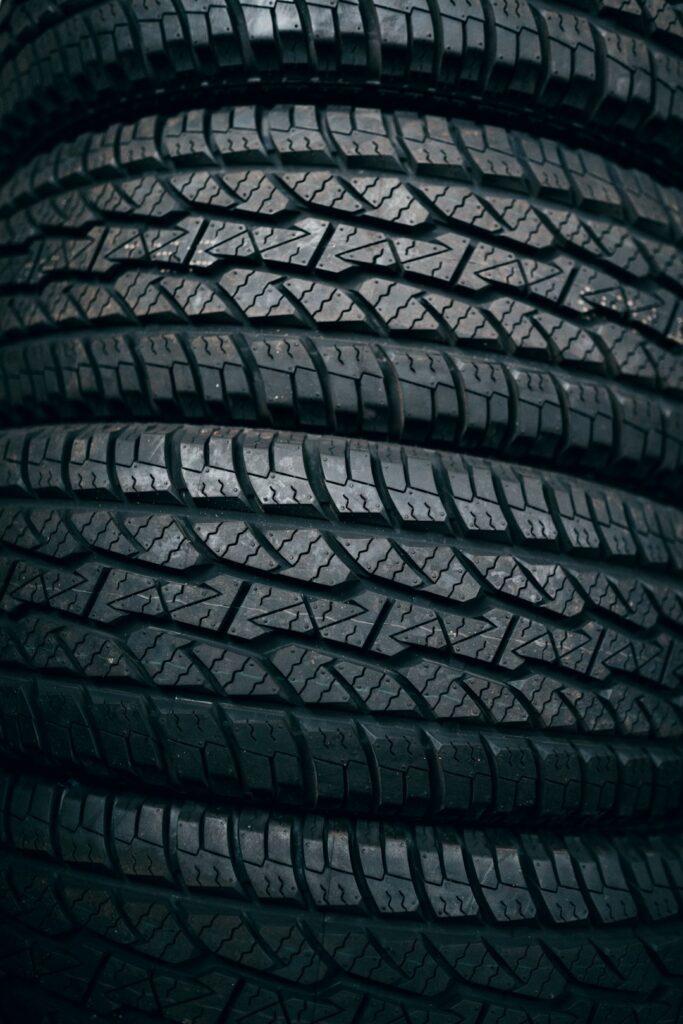
Tread pattern affects how a truck handles various surfaces. Deep, chunky treads work best off-road or in muddy conditions, giving extra traction where it counts. But on highways, that same tread can increase rolling resistance and fuel use. Many fleets settle on hybrid treads that balance grip and efficiency, especially for regional deliveries covering mixed terrain. It’s worth checking the tyre’s wear indicators regularly, too, drivers often miss uneven wear caused by poor alignment or overloading.
Durability is not just about tread life but also how well the tyre withstands impacts and sidewall cuts. Urban routes with frequent stops mean more heat buildup and abrasion, while long-haul trucks face constant highway wear. Tyres made with reinforced sidewalls and high-quality rubber compounds tend to last longer and reduce unexpected replacements. A common habit among fleet managers is to keep a detailed maintenance log to spot trends in tyre wear before problems arise.
Environmental impact is becoming a bigger concern. Tyres that reduce rolling resistance help lower fuel consumption and emissions, which can be vital for fleets operating in cities with strict environmental rules. Choosing fuel-efficient tyres aligns with green policies and can improve your company’s standing with clients and regulators. Some firms track fuel savings per tyre model to decide which ones make financial sense over time.
Fleets that include buses or heavy equipment like earthmovers need to consider tyre categories carefully. Passenger vehicle tyres differ significantly from those built for heavy machinery in terms of tread design and load handling. Comparing performance specifications across tyre types helps avoid mismatches that can compromise safety or cause excessive wear. It’s also smart to consult manufacturer guidelines and local regulations to confirm compliance.
Tyre pressure monitoring is a practical habit that saves money and improves safety. Underinflated tyres wear out faster and use more fuel, but drivers don’t always check pressures daily. Setting up routine pressure checks and training drivers can prevent costly surprises. Also, rotating tyres at recommended intervals helps even out wear patterns, extending their useful life.
For more information on compatible tyre options across different truck types, check out truck tyre options.