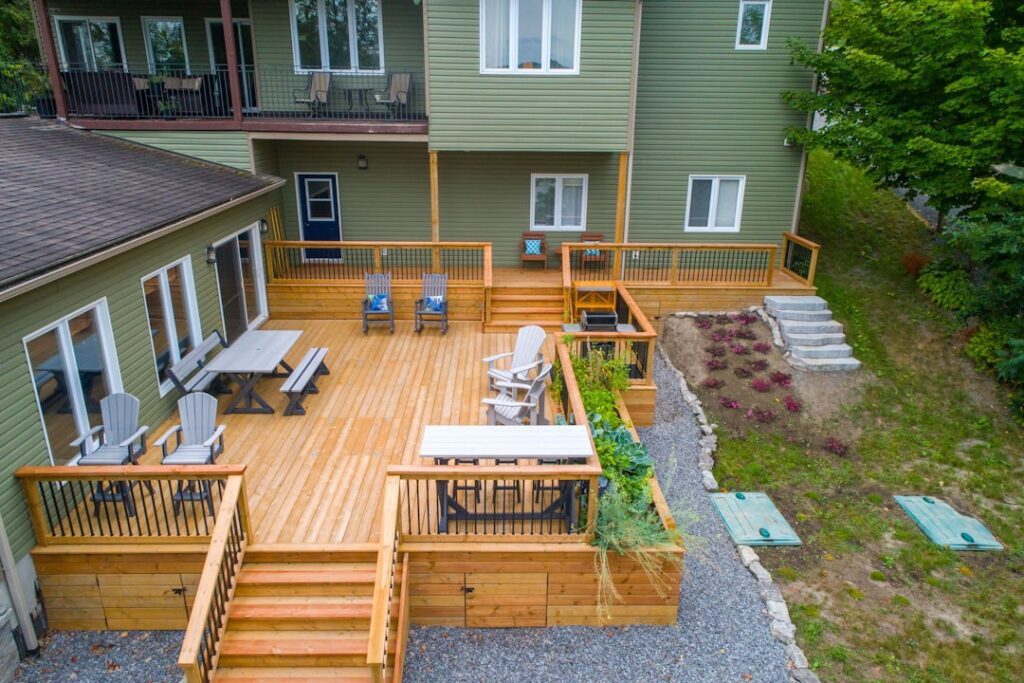

Choosing the right waterproofing material depends heavily on the deck’s surface and expected exposure. Liquid rubber membranes stand out because they adhere well to different surfaces like wood, concrete, and even areas exposed to constant moisture such as pool surrounds. These membranes create a flexible layer that moves with temperature changes without cracking, which prevents water from seeping underneath. It’s important to check product specifications for elasticity and UV resistance, as decks are exposed to sunlight and temperature swings.
Consider the case of a cafe owner with an outdoor seating area. If their deck soaks up water and stays damp, it quickly becomes unpleasant for customers and risks structural damage. Using a liquid waterproof coating can keep the deck dry and safe, reducing slip hazards and preventing mold buildup. Regular inspections after application are a practical habit; catching small cracks or wear early avoids costly fixes later.
Basements connected to decks can suffer from moisture infiltration as well. Homeowners often notice damp patches on walls or a lingering musty smell when waterproofing isn’t adequate. Applying a quality membrane on the deck surface above or sealing walls with appropriate products helps keep moisture out. It’s wise to read manufacturer coverage guidelines carefully; for example, knowing that one pint covers a specific square footage allows you to estimate material needs accurately and avoid ordering too much or too little.
Surface preparation before applying any waterproofing product is critical. The deck must be clean and free from dirt, grease, or old paint residues. Most products recommend cleaning with a mild detergent and allowing the surface to dry fully before application. Applying the waterproofing layer evenly using a brush or roller helps prevent weak spots. Letting each coat dry thoroughly before adding another is a common step that many DIYers overlook, leading to poor adhesion and premature failure.
Comparing products is necessary since drying times can range from a few hours to more than a day, which affects project timelines. Flexibility after curing varies too; some membranes stay soft while others become more rigid. UV resistance differs widely, so selecting a product rated for sun exposure can prevent fading and cracking. Visual comparison charts often highlight these differences clearly, making it easier to pick what suits your climate and usage best.
If uncertainty arises regarding product choice or application methods, consulting with experienced contractors can save time and money. Professionals often spot potential issues that homeowners miss, like subtle drainage problems or incompatible materials beneath the deck surface. Staying informed by subscribing to home renovation newsletters keeps you updated on advances in waterproofing technology and practical tips.
For those wanting more detailed information about protecting decks from water damage, numerous online resources exist. Whether you are tackling a DIY project or planning professional help, researching local climate considerations and product reviews pays off. For instance, exploring deck waterproofing options provides specific product details and user experiences that can guide your decisions effectively.
Additionally, visiting outdoor surface protection advice offers practical guidance on maintaining decks year-round. Understanding how different treatments perform in wet or sunny conditions helps tailor your approach to suit your property’s needs better.