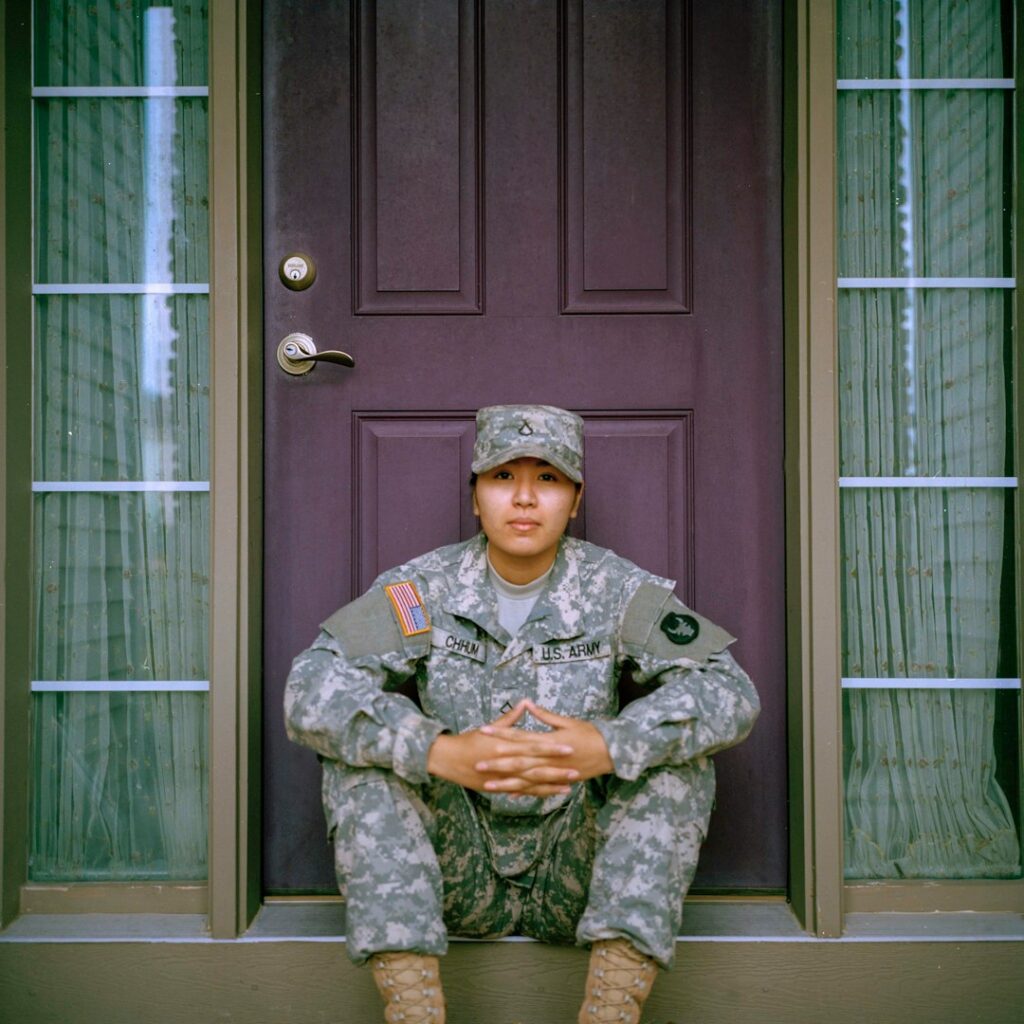
Female veterans represent a growing and resilient segment of the military community whose experiences often remain underrepresented in broader national conversations. As women continue to serve across all branches of the armed forces, their unique challenges and contributions warrant deeper understanding—especially as they transition into civilian life. From navigating healthcare systems to finding employment and building community, the journey of female veterans is multifaceted and deserving of greater public awareness.
While the number of women in the military has steadily increased, the infrastructure to support their return to civilian life has not always kept pace. Upon leaving service, many women encounter a lack of tailored resources that take into account both their military experience and gender-specific needs. Health care is one such area, where female veterans may face difficulty accessing providers knowledgeable in women’s military-related health concerns, including reproductive care and mental health services shaped by deployment or combat exposure.
One of the most pressing issues female veterans face is identity. While male veterans are often immediately recognized for their service, women tend to be overlooked or questioned about their veteran status. This lack of recognition can lead to feelings of isolation and undervaluation. Efforts to improve public awareness and provide visibility for female veterans are critical in correcting this imbalance and ensuring that their service is honored equivalently.
Employment is another major concern. Although military training equips veterans with a wide range of transferable skills, women often encounter gender bias in the hiring process or struggle to translate their military roles into civilian job descriptions. Organizations that offer mentorship programs, resume workshops, and networking opportunities tailored to women have shown promise in addressing this gap. Community support networks further help by connecting female veterans with peers who understand their experiences and can offer guidance during the transition period.
Education benefits such as the GI Bill can be a valuable tool in post-military life, but navigating these systems can be complex. Women balancing family responsibilities while pursuing education may find it difficult to access the support they need. Flexible scheduling, child care resources, and online learning options are important components in helping female veterans achieve their academic goals while managing other aspects of life.
Housing stability also plays a critical role in the successful reintegration of female veterans. While homelessness among veterans is a well-documented issue, women veterans are more likely to be part of invisible homelessness—living in cars, couch-surfing, or staying in temporary housing due to fear of shelters or concern for their safety. Housing programs that take into account the specific needs of women, especially those with children, are essential in reducing homelessness within this group.
Many organizations now recognize the importance of creating inclusive spaces and services for women who have served. Peer-led initiatives, online forums, and in-person events are helping to foster a sense of belonging and empowerment. These platforms provide opportunities for storytelling, advocacy, and resource-sharing that can make a meaningful difference in the lives of female veterans.
Community-based alliances and advocacy groups have become central in raising awareness and influencing policy changes that affect women who have served. By building networks that address both the shared and distinct experiences of female veterans, these groups help bridge the gap between military and civilian life. For instance, platforms like the Women Veterans Alliance offer a hub for connection, education, and empowerment specifically designed with women veterans in mind.
As the landscape of military service continues to evolve, so too must our understanding of the people who serve. Female veterans bring strength, leadership, and a wealth of experience to every community they join after service. With appropriate recognition, targeted support, and inclusive policy, society can ensure that their contributions are fully valued—not only in uniform, but in the lives they lead afterward.