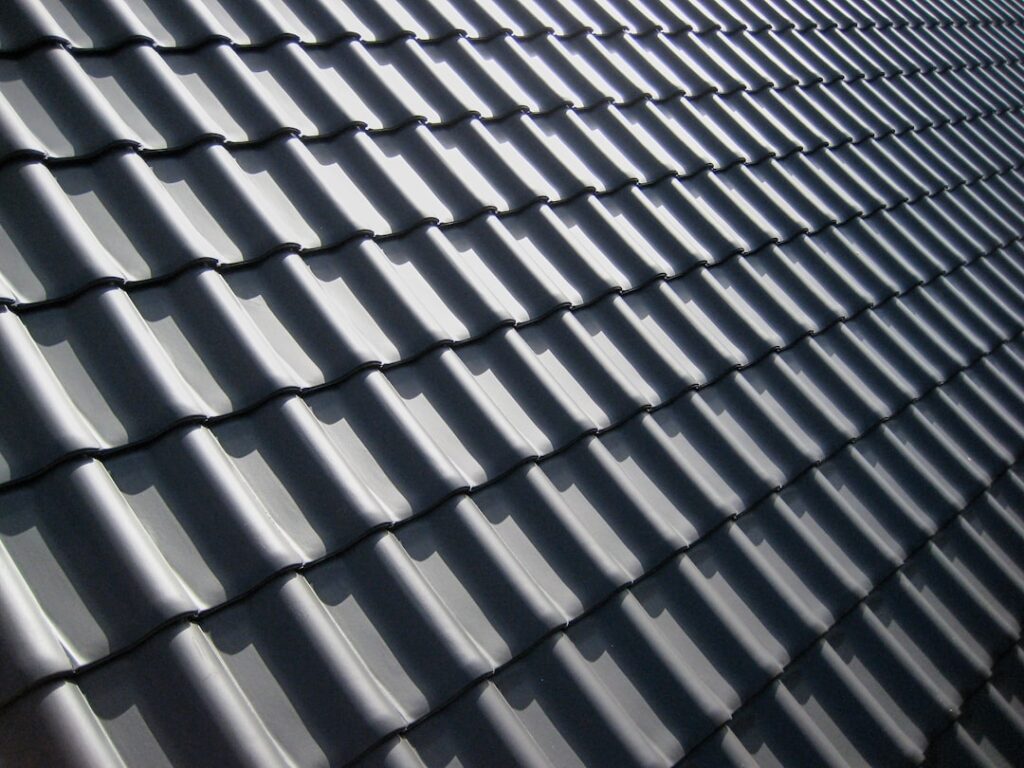
Flat roof insulation plays a vital role in maintaining energy efficiency and comfort in homes with flat or low-pitched roofs. Unlike pitched roofs, flat roofs have less natural ventilation and can be prone to heat loss or gain, making effective insulation essential for regulating indoor temperatures. By properly insulating a flat roof, homeowners can reduce energy consumption, lower heating bills, and extend the lifespan of their roofing materials.
One of the key advantages of flat roof insulation is its ability to prevent heat from escaping during colder months. Insulating materials act as a barrier, trapping warmth inside the building and reducing the need for constant heating. During the summer, these same materials help block external heat from entering the home, keeping interiors cooler and more comfortable. This dual benefit makes insulation a smart investment for year-round energy savings.
There are several types of insulation materials commonly used for flat roofs, including rigid foam boards, spray foam, and insulated membranes. The choice of material often depends on the roof’s structure, existing condition, and budget. Each option offers different levels of thermal resistance and installation methods, but all aim to improve a building’s thermal performance. Proper installation is crucial, as gaps or compression in the insulation can significantly reduce its effectiveness.
In addition to thermal benefits, flat roof insulation can contribute to better soundproofing and moisture control. Well-insulated roofs can help dampen external noise, creating a quieter indoor environment. Moreover, by reducing condensation and moisture ingress, insulation helps prevent issues such as mould growth, timber rot, and structural damage over time. These factors are especially important in regions with high rainfall or fluctuating temperatures.
When planning a renovation or new build, considering flat roof insulation from the outset is highly recommended. Integrating insulation during construction is often more cost-effective and efficient than retrofitting it later. However, for existing properties, upgrading insulation remains a worthwhile improvement that can significantly enhance a building’s energy profile.
For homeowners looking to boost energy efficiency across the entire property, it’s also beneficial to explore other areas where heat loss may occur. Floors, walls, and lofts are typical culprits, and addressing all of these elements together can provide a comprehensive insulation solution. To learn more about related options, visit underfloor insulation solutions that complement flat roof systems.
Overall, investing in flat roof insulation not only improves comfort and reduces energy bills but also supports sustainable living by lowering a home’s carbon footprint. With careful planning and the right materials, homeowners can enjoy a more efficient and resilient property for years to come.