An amateur football player suffers a sudden ACL injury during a weekend game. They want to get back on the field quickly, but the flood of advice can be confusing. Some rush into jogging or training too soon, thinking it speeds recovery. That often backfires, causing setbacks or worsening the injury. The right approach focuses on staged healing and patience.
The first priority is controlling swelling and regaining knee movement. Rest is critical, along with ice packs applied for 15 to 20 minutes every couple of hours, compression with an elastic bandage, and elevating the leg above heart level. These steps help reduce inflammation and pain. Avoid weight-bearing until advised by a professional.
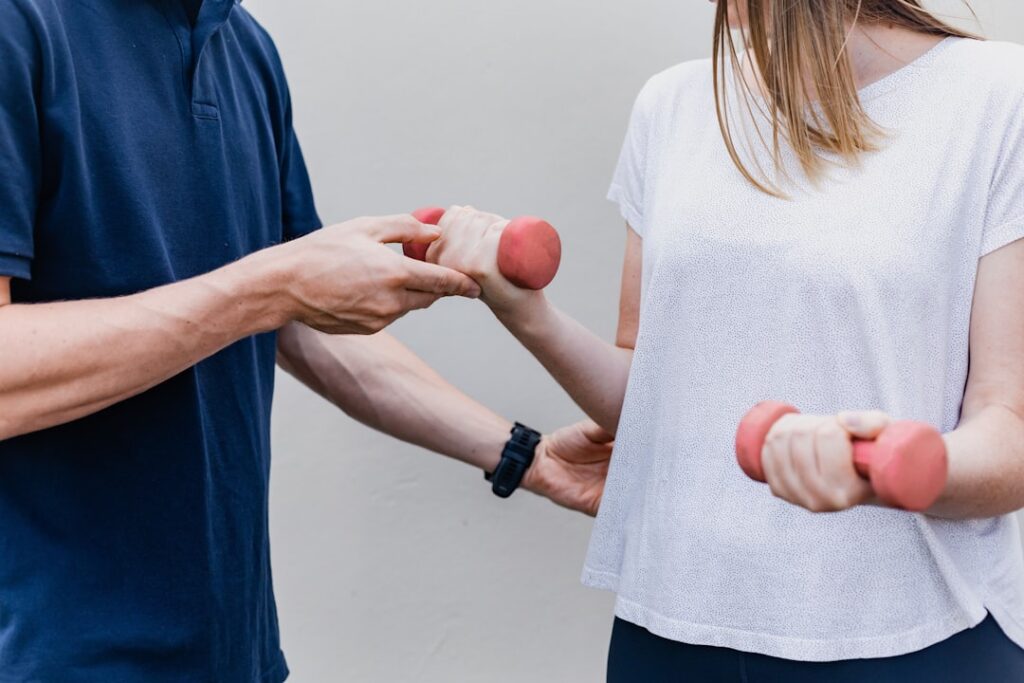
Once swelling subsides, gentle strengthening begins. A physiotherapist will guide exercises targeting the quadriceps and hamstrings, which stabilize the knee. Simple moves like straight leg raises or heel slides are common starters. Proper technique matters here; doing too much too fast or incorrectly risks strain. Tracking progress in a rehab diary can help patients notice small improvements and avoid overdoing it.
As strength builds, functional training enters the picture. Balance drills on a wobble board or controlled lunges improve joint stability. Movements simulating sport-specific actions prepare the knee for return to play. For example, a player might practice slow side steps or light jogging before advancing to cutting drills. Consistent check-ins with a physiotherapist ensure form is safe and adjustments are made as needed.
Education about preventing future injuries should not be overlooked. Prehab exercises strengthen muscles around the knee to absorb impact better during activity. Building awareness of proper warm-up routines and avoiding sudden changes in training intensity also reduces risk. Understanding how fatigue can affect knee control encourages athletes to listen to their bodies rather than push blindly.
Local healthcare providers offer valuable support throughout recovery. GPs or surgeons experienced in sports injuries can recommend up-to-date rehab protocols tailored to individual needs. Connecting with a specialised acl rehabilitation bondi junction service provides access to focused care and resources that might otherwise be missed.
Mental health deserves attention too. Being benched unexpectedly brings frustration and anxiety about performance and future injuries. Talking to a counselor or joining a peer group can provide motivation and reduce isolation during rehab. Simple habits like setting small goals or celebrating milestones keep morale high.
Rebuilding from an ACL tear demands effort beyond physical healing. Balancing rest, exercise, education, and emotional support shapes a safer comeback. Individuals should trust the process even when progress seems slow; consistent, measured steps make a difference.
For those wanting detailed advice on recovery or prevention strategies related to ACL injuries, visiting acl injury recovery guidance offers practical information and support tailored to active lifestyles.