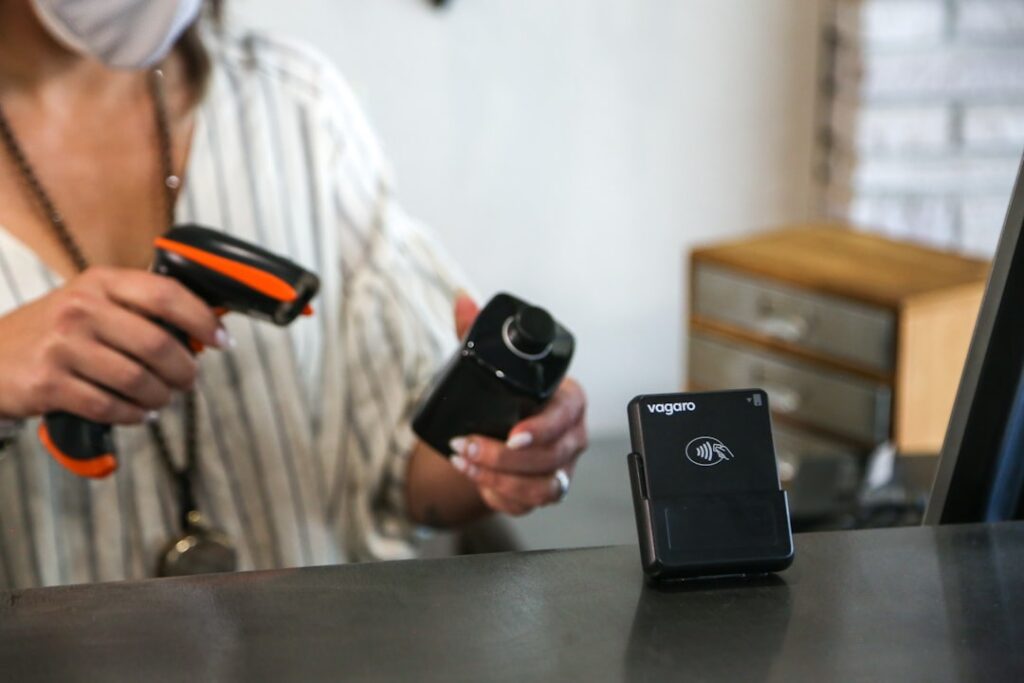

Barcode scanner software reads codes printed on product packaging. These barcodes hold critical data like item price, stock counts, and product descriptions. For example, a supermarket can use this technology to monitor inventory continuously, so shelves stay stocked with what sells and avoid piling up slow-moving goods. This approach cuts waste and helps managers reorder smarter.
In warehouses, barcode scanning is indispensable. Every product movement is tracked by scanning its barcode, instantly updating stock databases. This real-time tracking prevents mistakes in shipments and ensures orders go out correctly. Warehouse supervisors often rely on handheld scanners that sync data immediately, reducing manual stocktaking and minimizing human error.
The software supports multiple barcode types, including QR codes and UPCs, letting businesses pick formats that fit their needs. Many systems now offer cloud access, so managers can check stock levels or sales data remotely without being tied to a single terminal. This flexibility matters for businesses with multiple locations or remote teams.
Integrating barcode scanner software with other business tools pays off. When connected to point-of-sale systems or inventory platforms, scans automatically update all records. This cuts down on repetitive data entry and frees up employees to focus on customer service or planning. In practice, this often means fewer stock discrepancies and faster end-of-day reconciliations.
User experience is another big factor. Staff need software that’s straightforward and quick to learn. Complicated systems slow adoption and can lead to mistakes. Many providers offer trial versions so companies can test how the software fits their workflow before buying. Checking out barcode scanner software gives a clear picture of available features and price points.
Businesses don’t always stick to retail environments for barcode scanning. Logistics firms track parcels; healthcare facilities scan medications to avoid errors; manufacturing plants monitor components on assembly lines. The ability to scan fast and accurately reduces delays and boosts operational reliability across sectors.
A practical tip from experience: train employees to verify scanned information on screen immediately after scanning instead of assuming the system captured it correctly. This small habit prevents costly mistakes later and speeds troubleshooting if something looks off. Also, keep scanners clean and check batteries regularly to avoid downtime in busy periods.
Investing in reliable barcode scanner software changes how companies handle sales and stock management. For a deeper look at options tailored to specific business needs, visit inventory management tools for small business.