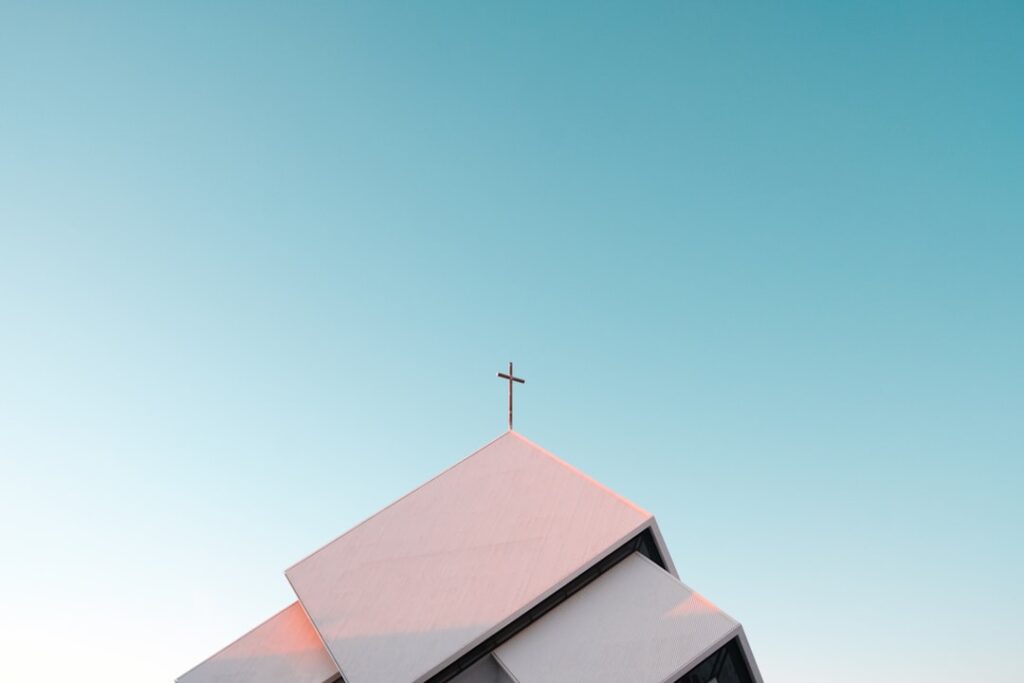
Walking into a church that feels both welcoming and solemn often comes down to the lighting. Good lighting doesn’t just brighten a room; it shapes how people experience the space. Many church leaders want to improve their lighting but get lost in the sea of choices. Understanding how different types of lighting work together can make the task manageable. It’s about crafting an environment that supports worship while respecting the building’s character.
Church lighting generally involves three categories: ambient, task, and accent lighting. Ambient lighting fills the room with soft, even light, avoiding harsh shadows or glare that can distract during services. Task lighting targets specific spots like reading areas or the altar where activities demand clear visibility. Accent lighting brings attention to architectural details or art pieces, such as stained glass windows or statues. Combining these layers thoughtfully creates a balanced atmosphere that feels both functional and inviting.
High ceilings and ornate architecture present unique challenges. Large chandeliers or pendant lights can look stunning and provide strong illumination but must be chosen carefully to avoid overwhelming the space. Dimmable LED fixtures offer a practical advantage here, allowing light levels to adjust easily for different occasions, from quiet prayer sessions to lively community gatherings. It’s common to keep a simple control sheet nearby so anyone managing the lighting knows which settings suit each event, preventing guesswork and reducing setup time.
Energy efficiency is more than just a buzzword for many churches. LEDs have become popular because they last longer and use significantly less power than incandescent bulbs. This switch can noticeably lower electricity bills over time, a welcome relief for tight budgets. Plus, LEDs come in various color temperatures, letting churches pick warmer hues for intimate services or cooler whites for daytime activities. Installing timers and motion sensors in less-used areas like hallways or offices also helps cut unnecessary energy use without sacrificing convenience.
Natural light plays a big role in church design but needs careful management. Large windows flood interiors with sunlight, enhancing mood and highlighting details. Yet, too much direct sun risks glare that makes reading difficult and can fade delicate artwork over months or years. Many churches solve this by fitting adjustable blinds or sheer curtains that control brightness without shutting out daylight entirely. Regular maintenance checks on these window treatments prevent them from getting stuck or damaged, which can otherwise cause frustration during services.
Consulting with someone experienced in church lighting can save time and money. A proper site assessment will factor in ceiling height, fixture placement, wiring conditions, and current electrical capacity. It’s not unusual for older buildings to require upgrades to handle modern lighting technology safely. Clear communication with the installer about daily usage patterns and any special events avoids surprises later on. Keeping notes about fixture types and bulb models also helps when replacements are needed, ensuring consistency in light quality.
If you want tailored advice on improving your church’s lighting, consider reaching out for a consultation that matches your building’s unique needs. Professional input can clarify what’s feasible within your budget and help avoid costly mistakes during installation or maintenance. Check local guidelines to make sure any changes meet safety standards and preserve historic elements where applicable. Taking these steps leads to a lighting setup that enhances both the function and feel of your worship space.church lighting solutions that focus on sustainability help churches reduce their environmental impact while improving their atmosphere.
For those ready to explore practical options for their church, lighting advice for religious buildings offers focused guidance tailored to your setting and goals.