Walking into a home on a cold evening only to feel drafts creeping in through the floor is frustrating and all too common. Often, this problem traces back to poor insulation installation rather than the products themselves. Insulation companies sometimes rush jobs or skip important checks, resulting in energy loss and discomfort. One practical step that often gets overlooked is assessing the current state of the area before installing insulation. For example, underfloor insulation must not be laid over damp or damaged surfaces. Ignoring moisture can trap it under the insulation, encouraging mould and rot that damage wood joists and flooring over time.
Choosing the wrong insulation material is a frequent mistake that can reduce effectiveness and cause other problems. Different spaces demand different types of insulation based on moisture levels, temperature fluctuations, and access. Fibreglass batts work well inside wall cavities but tend to absorb moisture in basements or crawl spaces, where closed-cell spray foam or rigid foam boards might be better options. Insulation companies should guide homeowners through these choices, explaining R-values clearly and matching materials to each room’s conditions.
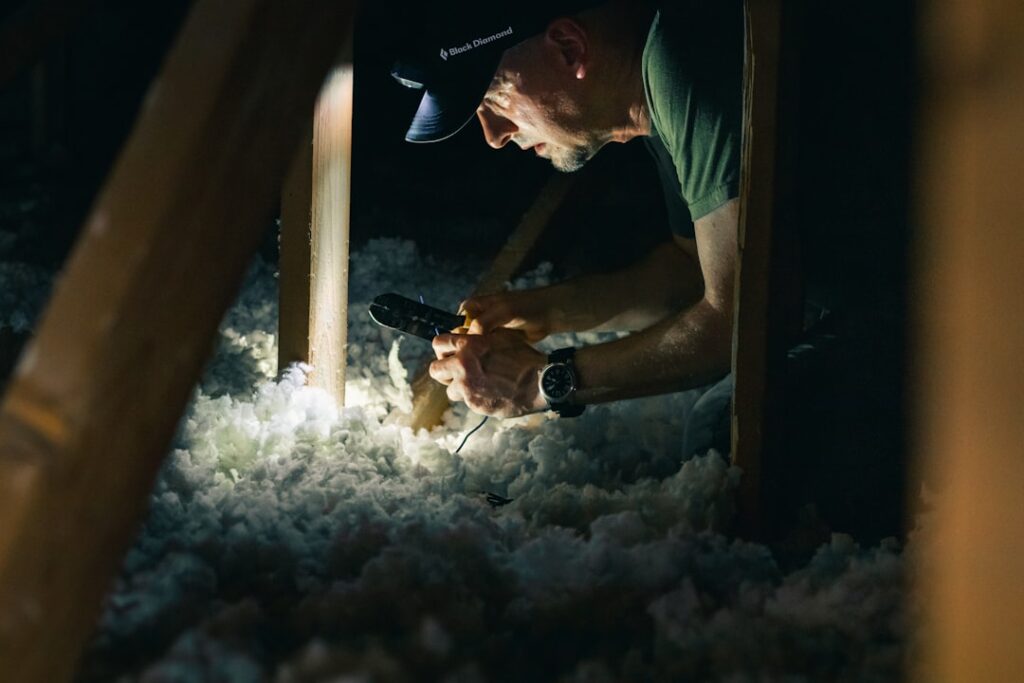
Installation techniques matter as much as material choice. A typical error is neglecting to install a continuous air barrier. Without sealing gaps, cracks, and seams properly, warm air escapes and cold air enters despite the insulation. This not only wastes energy but also leads to uneven temperatures indoors. A thorough installer will use caulk, foam sealants, or tapes to close all potential air leaks, especially around edges and penetrations like pipes or wires.
Older buildings pose unique challenges during renovations. Adding insulation without adjusting ventilation can cause condensation buildup inside walls or attics, fostering mould and compromising indoor air quality. Ventilation systems need evaluation alongside insulation upgrades to ensure stale air escapes and fresh air circulates. Skipping this step can result in unseen moisture problems that affect health and structural integrity.
Before hiring any insulation companies, homeowners should ask detailed questions about inspection procedures, material options, and installation methods. It’s wise to request references or see photos of completed projects similar to your own house. Clear communication prevents misunderstandings about what the job entails and what results to expect.
Some property owners try DIY insulation to save money but often miss critical details like local building codes or proper sealing techniques. Mistakes in DIY projects can lead to costly fixes later or fail to deliver promised energy savings. Professionals bring not just tools but knowledge of regulations and best practices that ensure installations perform well for years.
After installation, regular inspections help catch issues early. Keep an eye out for damp spots, peeling paint, or unusual smells that might indicate trapped moisture or air leaks. Checking the condition of insulation annually, especially after severe weather, helps maintain efficiency and comfort. For detailed advice on maintaining insulation in different parts of your home, visit insulation maintenance tips.