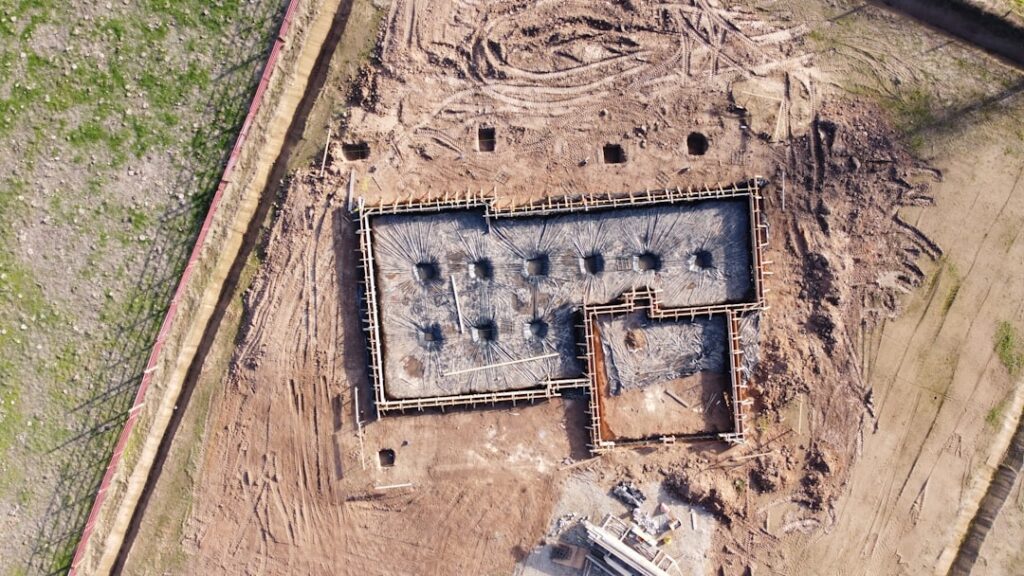
A business owner renovating a building with a leaky basement found traditional waterproofing methods weren’t enough. Despite sealing efforts, moisture kept creeping in, causing mold damage that affected both the building’s integrity and the business’s reputation. After some digging, they came across a liquid membrane product promising easier application and reliable protection. Once applied, it stopped leaks effectively and added an extra layer of defense against future water exposure.
Liquid membranes work on a variety of surfaces, from concrete to wood. One pool facility owner faced ongoing leaks in their outdoor pools due to poor sealing. Applying a liquid membrane not only fixed the immediate leaks but also extended the pool’s lifespan. These membranes are designed for submerged areas, making them suitable for fountains and pools where water exposure is constant.
A major benefit of liquid membranes is their ability to form a continuous barrier without joints or seams, unlike traditional sheet membranes that require careful alignment and can fail at edges. This liquid rubber coats surfaces evenly, adapting to irregularities and cracks. The application is straightforward enough that some DIYers have successfully tackled their own projects after watching detailed tutorials.
Coverage can vary depending on surface roughness and porosity. For example, one pint might cover around 20 square feet on smooth concrete but less on rough or porous wood. Using a coverage calculator or chart before starting helps avoid buying too much or too little product. It’s common for users to underestimate how much is needed, leading to reorders or patchy finishes.
Surface preparation makes or breaks the job. Surfaces must be clean and dry, free from dust, oils, or loose particles to ensure strong adhesion. A quick wipe-down with a damp cloth followed by air drying can improve results significantly. Some users make the mistake of applying over damp surfaces, which causes peeling later on. Step-by-step application guides usually recommend two coats for optimal thickness and durability.
For those interested in new waterproofing products or tips on maintenance, subscribing to industry newsletters can provide timely updates and exclusive offers. These resources often include comparison charts that help weigh different waterproofing options based on factors like cost, durability, and ease of use. Staying informed helps avoid costly mistakes and keeps structures protected longer.
If problems come up during application or if specific conditions require additional treatments, consulting professionals familiar with liquid membrane technology is a smart move. They can offer tailored advice on primer use, layering techniques, or compatible products for particular substrates. This kind of support can save time and money by preventing common errors.
Incorporating a liquid membrane into your waterproofing approach simplifies the process while providing lasting protection against moisture damage across different materials. With proper surface prep, accurate coverage estimation, and careful application, property owners can enhance their building’s defenses efficiently.
For more information on waterproofing products and practical guidance, visit foundation repair advice.