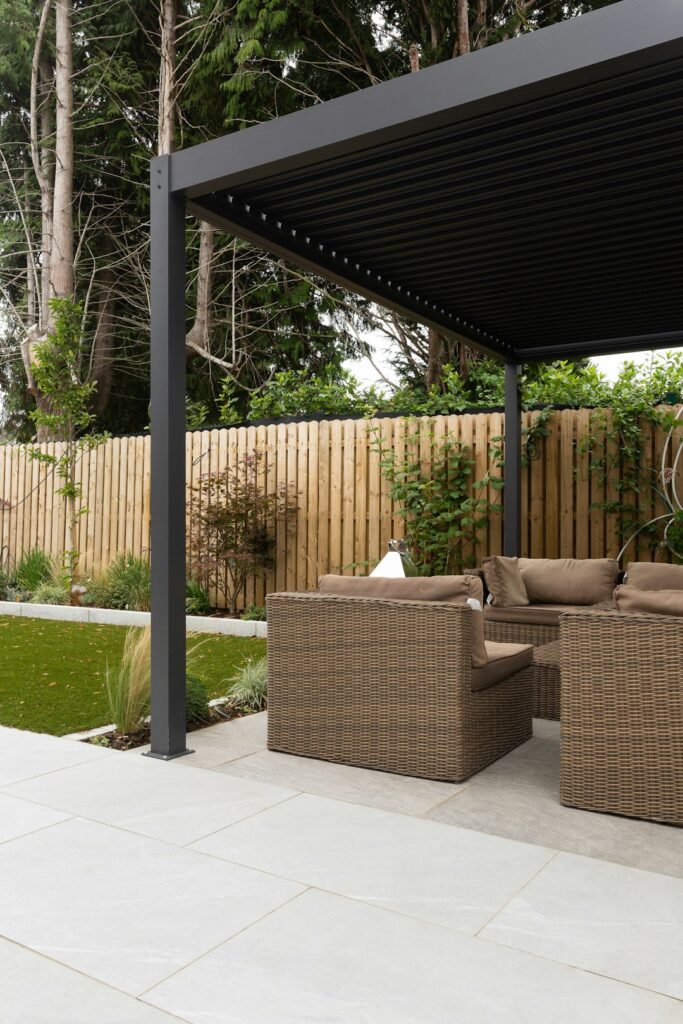
Planning an outdoor space in Bournemouth can be exciting, but a pergola that’s poorly placed can quickly turn from a charming feature into a frustrating eyesore. A frequent error is ignoring the sun’s path and prevailing winds when choosing where to set up your pergola. For example, placing it facing west often results in blinding late-afternoon sun, making the area uncomfortable during peak heat. A practical step is to observe your garden at different times of the day or use a sun path app to find a spot that balances shade and light effectively.
Material choice is another critical factor that often gets overlooked. Cheap timber may save money upfront but tends to warp and rot quickly in Bournemouth’s moist environment. Instead, pressure-treated wood or composite materials designed for outdoor use offer greater durability and require less maintenance. Expect to spend time annually applying sealants or stains if you opt for natural wood. Also, check for signs of mold or insect damage regularly to catch problems early.
A stable pergola is safe pergola. Insufficient anchoring is a common mistake that can have serious consequences, especially when strong winds hit. Using concrete footings to secure posts or heavy-duty metal brackets rated for outdoor conditions will keep your structure steady. Before installation, confirm the type of soil and its bearing capacity; sandy or loose soil might require deeper footings or additional reinforcement. Leaving anchoring to chance risks costly repairs later.
Design should suit both your garden’s style and how you plan to use the space. Overly elaborate designs often add unnecessary complexity and maintenance headaches. Simple, clean lines with open slats offer a good balance between allowing sunlight through and providing shade. This kind of design also simplifies cleaning and reduces debris buildup. Consider how your pergola will blend with existing plants, lawn areas, or patios rather than competing with them.
Adding features like climbing plants or lighting can elevate your pergola from plain to inviting. Train hardy climbers such as wisteria or clematis along the beams; they add natural beauty and increase shade during summer months. Built-in LED lighting not only extends usability into the evening but also sets a relaxed mood for social gatherings. When wiring lights, make sure all electrical components are rated for outdoor use and installed by a professional if you’re unsure about safety standards.
Local regulations often catch people off guard. Before any work begins, check Bournemouth’s planning rules and whether you need permits. Ignoring these can lead to fines or orders to dismantle your pergola after installation. Some areas have height restrictions or require specific setbacks from property lines. A quick call to the local council or consulting their website can save you headaches and extra costs down the road.
If you want quality options tailored to your needs, take a look at pergola bournemouth. They offer designs that combine modern looks with practical features suited to the local climate. Browsing their range can spark ideas about what works well without overcomplicating your project.
Creating an outdoor space that lasts depends on attention to detail during installation. Avoiding mistakes like poor placement, subpar materials, and weak anchoring ensures your pergola remains a valued part of your home for years. For detailed guidance on designing outdoor living areas, check pergola installation advice in bournemouth. It’s a helpful resource packed with straightforward tips and real-world insights.