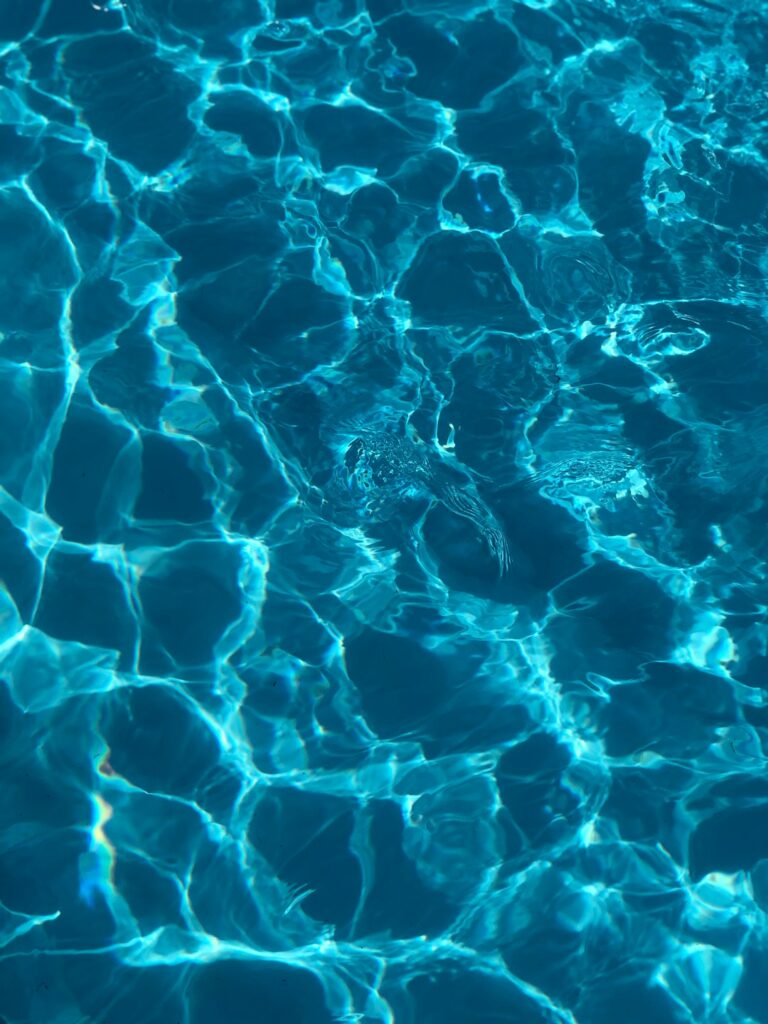
Choosing the right pool waterproofing material is one of the most important decisions when constructing or renovating a swimming pool. The longevity of the pool, as well as its safety, appearance, and maintenance needs, heavily depends on how well it is protected from water infiltration. Proper waterproofing not only prevents structural damage but also helps maintain a clean and enjoyable swimming environment.
Swimming pools are constantly exposed to water, which naturally exerts pressure on the walls and floor. Without sufficient waterproofing, this can lead to cracks, leaks, and serious structural issues over time. In addition to physical damage, inadequate waterproofing can promote mold and mildew growth, which poses health risks and increases maintenance costs. Modern waterproofing materials are designed to create an impermeable barrier that adheres tightly to the pool surface, adapting to minor movements and temperature changes.
The most effective pool waterproofing solutions are typically liquid-applied membranes or cementitious coatings. These materials are formulated to bond seamlessly with concrete or other pool substrates and provide long-term resistance to water penetration. For instance, a high-quality pool waterproofing material can serve as both a protective layer and a base for finishing options like tiles or paint. Liquid membranes are especially popular due to their flexibility and ease of application, making them suitable for both new pools and refurbishments.
Application methods vary depending on the material chosen. Liquid membranes are usually rolled or sprayed onto a clean, dry surface, requiring multiple coats to ensure full coverage. Cement-based coatings, on the other hand, are typically mixed on-site and applied with a trowel or brush. Regardless of the method, surface preparation is crucial. Any gaps, dust, or existing damage must be addressed before applying the waterproofing layer to ensure proper adhesion and effectiveness.
It’s also important to consider compatibility with other materials used in the pool’s construction. Some waterproofing compounds may not work well with specific types of tiles, adhesives, or finishes. Consulting with a specialist or conducting a small test area can help avoid future complications. Furthermore, quality control during application is vital. Even the best materials will fail if they are not applied correctly or evenly.
Different climates and environmental conditions can also influence the choice of waterproofing material. In areas with severe temperature fluctuations or heavy rainfall, a more elastic and UV-resistant membrane may be required. Pools in regions with high groundwater levels may need additional layers or specialized drainage systems to prevent seepage from outside. These factors should be evaluated during the planning stage to ensure the selected material will perform effectively in the given environment.
Maintenance of the waterproofing system is another critical aspect to consider. While most modern materials are designed to last for several years, periodic inspections can help detect early signs of wear or damage. Prompt repairs and reapplications, when necessary, can extend the life of the pool and prevent costly structural repairs down the line. Using a reliable waterproofing solution also simplifies routine cleaning and maintenance by reducing algae buildup and water discoloration.
For those exploring options or seeking professional-grade materials, a trusted source for technical guidance and product availability is this waterproofing solutions provider. Their range of products and detailed application instructions can help homeowners and contractors alike make informed decisions.
Ultimately, investing in a high-quality pool waterproofing system is essential for any pool project. It safeguards the structure, enhances durability, and contributes to a more enjoyable swimming experience. With the right material and proper application, pool owners can rest assured that their investment is protected for years to come.