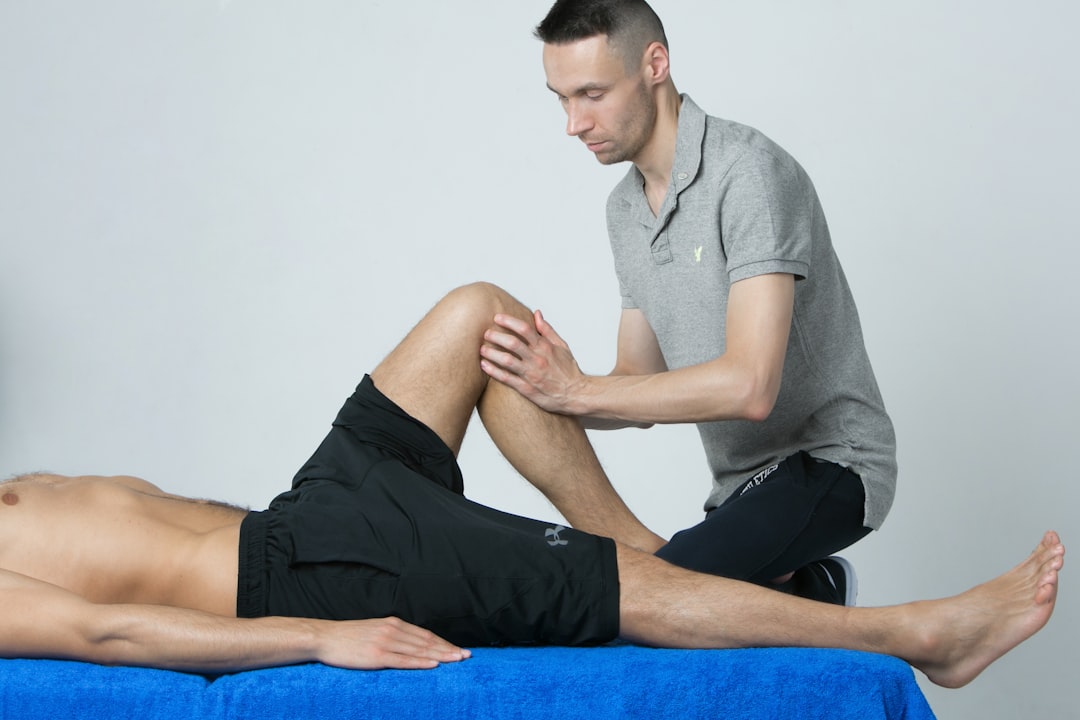

Muscle strains, especially in hamstrings or quadriceps, are frequent culprits in sports injuries. These muscles take a beating during running, jumping, or sudden direction changes. Immediate ice application helps reduce inflammation, while resting prevents further damage. However, a physiotherapist’s assessment goes beyond the initial care, they’ll design a rehab plan that gradually rebuilds strength without pushing too hard. They often check for weaknesses in surrounding muscles to prevent new problems from cropping up.
Joint pain caused by repetitive actions is another hurdle for athletes who perform the same motions repeatedly, like swimmers or tennis players. Tendonitis is common here and demands careful handling. A physiotherapist will tailor exercises that focus on flexibility and joint stability to ease the load on inflamed areas. Manual therapy techniques can also loosen tight tissues and improve range of motion, which is key when stiffness threatens performance.
Biomechanics isn’t just a fancy word, it’s the foundation of how your body moves during sport. If your movement patterns are off, you might compensate with other muscles or joints, increasing injury risk over time. Physiotherapists conduct detailed movement analyses to spot these imbalances. Once identified, they apply corrective exercises targeting specific weaknesses or alignment issues to enhance efficiency and reduce strain.
Booking a session with a physiotherapist has gotten easier with online systems that let you pick times without waiting on calls. When you meet your therapist, honesty about pain levels, previous injuries, and daily habits matters a lot. They’ll want to know if you’ve ignored minor aches before or tried self-treatment with no success. This info helps them build a practical treatment plan tailored just for your body and sport.
After rehab sessions end, it’s tempting to slack off on exercises or warm-ups, but staying consistent is what keeps injuries at bay. Strength training that focuses on muscle groups prone to injury, regular stretching for flexibility, and proper warm-up routines before activity form the backbone of prevention. Many athletes underestimate how skipping these steps invites setbacks. Keeping a simple injury log can also help track progress or spot recurring issues early.
Mental resilience often gets overlooked during recovery. Fear of returning too soon or anxiety about re-injury can slow progress as much as physical setbacks. Physiotherapists often provide encouragement and realistic timelines for returning to sport, guiding athletes through gradual exposure to training loads. This approach builds confidence alongside strength and mobility.
If you want tailored guidance specific to your needs, Physio camberwell offers sessions designed around individual challenges and goals. Their therapists take time to understand how your sport affects your body and adjust treatments accordingly.
The connection between physical recovery and mental readiness can’t be ignored. For advice on managing both sides of sports injury recovery effectively, consider getting in touch with professionals who provide injury recovery coaching services. Their holistic support addresses all factors that influence your return to peak performance.