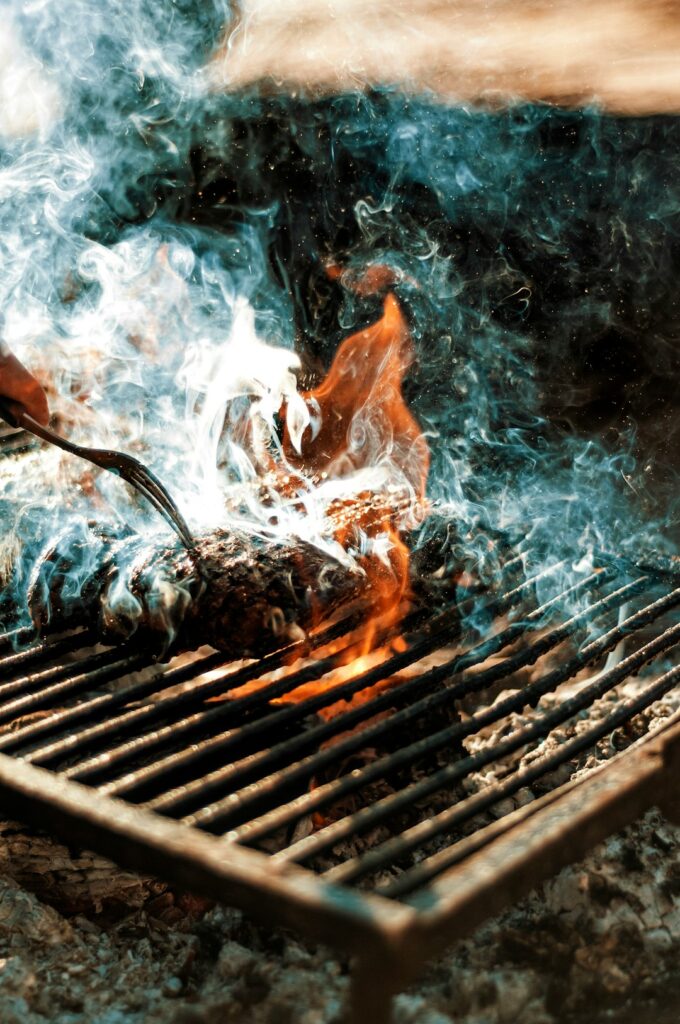
Picture this: you’ve fired up the backyard for a barbecue, but the charcoal grill just won’t get hot enough. That’s frustrating, and it’s usually down to the charcoal you’re using or how you light it. Lump charcoal tends to be a better choice than briquettes; it lights faster and can reach higher temperatures. If your grill feels sluggish, try switching brands or types until you find one that performs consistently. Also, don’t overlook airflow. Make sure your vents are open and clear of ash buildup, which can choke the fire and bring temperatures down.
Uneven cooking is another headache. It often happens when all the coals are dumped on one side, leaving a cold zone that messes with your cook times. Instead, set up two zones: pile coals on one side for direct searing heat and leave the other side empty for slower, indirect cooking. This setup lets you sear steaks, then move them away from the flame to finish without burning. Arranging the coals properly can make a big difference in how evenly your food cooks.
Cleaning your grill after every use isn’t just about looks. Ash and leftover food bits can block airflow and cause off-flavors in your next meal. Take five minutes to brush the grates clean and scoop out ash from the bottom. Pay attention to the air vents too; they get clogged and can cause temperature swings that make cooking unpredictable. A well-maintained grill runs hotter and lasts longer.
Temperature control trips up a lot of grillers. Built-in thermometers on lids are often off by quite a bit. A digital meat thermometer is a better investment. Stick it right into the thickest part of your meat to check doneness accurately. That way, you avoid guessing and either undercooking or overcooking your food. When cooking low and slow, add fresh charcoal on top of the hot coals to keep the temperature steady without choking the fire.
If you want to expand your skills, try smoking on the charcoal grill. It requires patience and attention but adds depth to your dishes. Use wood chips soaked in water for at least half an hour before tossing them on the coals to slow their burn rate and create steady smoke. Hickory, apple, or mesquite chips work well depending on your taste. Keep the lid closed as much as possible to trap smoke and maintain temperature.
For those looking to branch out beyond standard grilling, adding a pizza oven or dedicated smoker to your outdoor setup could be worth considering. These tools open up new cooking methods and flavors that complement what you do on your charcoal grill. It’s easy to get caught up in gear talk, but practical use is where you’ll see real benefits.
Questions about fuel types, cooking times, or gear? Don’t hesitate to get advice from seasoned cooks or community forums. Understanding how different fuels behave helps you adjust your technique and expectations. Whether you’re just getting started or have been grilling for years, there’s value in swapping tips and learning from others’ experiences. The right information can save hours of trial and error.
Remember, no two grills or cooks are exactly alike. Keeping notes on what works, what charcoal brand, how you arrange coals, how long you wait before flipping, can improve results over time. Many backyard chefs develop routines like checking vents mid-cook or prepping wood chips well in advance to avoid last-minute scrambling. Those small habits cut down stress and elevate your grilling game.
Every session outside is a chance to improve and tailor your approach. Experiment with different setups, temperatures, and fuel blends until you find what fits your style and taste buds best. The goal isn’t perfection but getting better with each cook and enjoying good food around the fire. For more detailed advice on charcoal grilling techniques and equipment options, visit outdoor cooking tips and tricks.