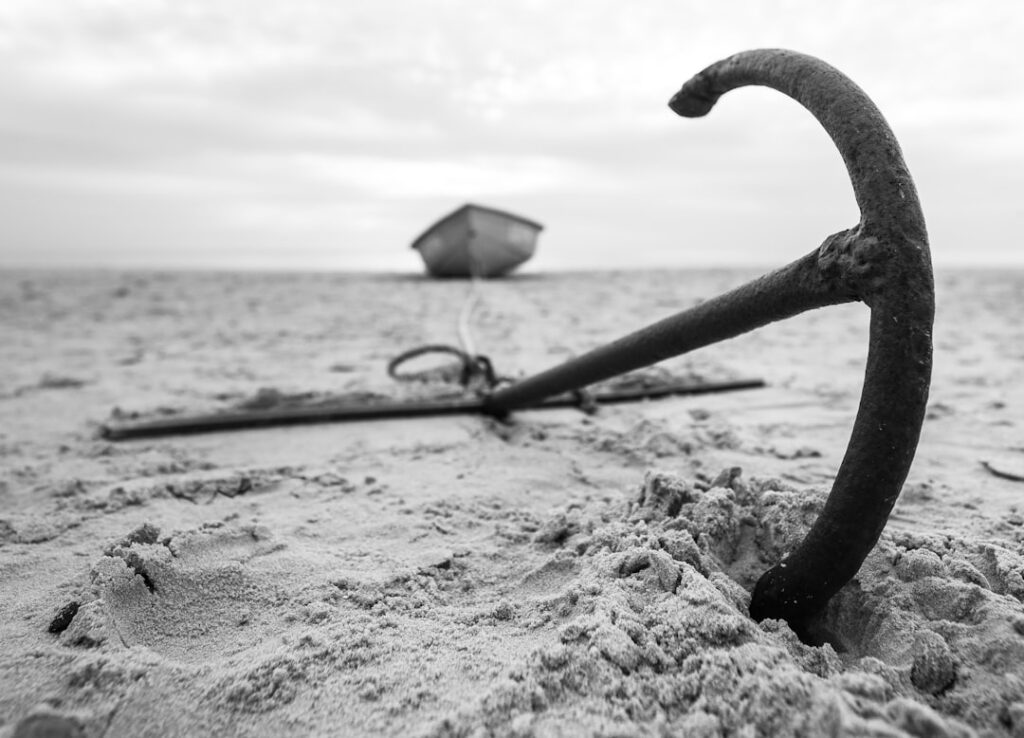

A frequent mistake is assuming wedge anchors can replace other anchor types without considering load specifics. Each anchor is built for certain forces and environments. Wedge anchors excel when shear loads are present, such as when fastening machinery bases or structural supports. Choosing the wrong anchor can lead to failure or unnecessary expense. Checking the project’s load requirements and consulting manufacturer specs helps avoid this pitfall.
Installation depth often causes confusion. Some think a shallow embedment works fine, but this reduces holding strength significantly. For example, a typical wedge anchor needs at least an inch of embedment into solid concrete to meet load ratings. Skimping on embedment depth risks loosening or pullout under stress. On site, experienced crews measure carefully and use calibrated drills to ensure correct hole depth before setting anchors.
Material choice also affects anchor longevity and performance. Not all wedge anchors are made equal. Carbon steel anchors might be cheaper but rust quickly outdoors or in humid spaces. Stainless steel variants resist corrosion and last longer in those conditions, saving future maintenance hassles. A common oversight is using carbon steel anchors for outdoor signs or railings, only to face rust damage within a few years. Investing more upfront for stainless steel avoids these issues.
Consider an outdoor business sign installation. The owner might opt for carbon steel wedge anchors to cut costs, unaware that exposure to rain and humidity will cause rust and weaken the hold over time. Stainless steel anchors prevent this problem, keeping the sign stable through weather changes without needing frequent replacements or repairs.
If you want to explore product options and technical details, see wedge anchors. This resource lists specifications and appropriate uses that help match anchors to your project needs accurately.
Environmental factors beyond moisture also affect anchor choice. Chemicals from nearby processes, freeze-thaw cycles, or extreme heat can degrade some materials faster than others. For instance, standard zinc coatings may flake off under chemical exposure, compromising corrosion resistance. Site conditions should guide material selection and installation practices to maintain long-term stability.
Those who install wedge anchors regularly know the value of following manufacturer instructions closely. Torque specifications, hole cleaning methods, and embedment depths all impact holding power. A common habit is blowing out drilled holes with compressed air before installing anchors to remove dust and debris that could reduce grip. Skipping this step often leads to rework when anchors fail inspection.
Understanding what wedge anchors can and cannot do helps avoid costly mistakes on site. Proper selection based on load type, embedment depth, material, and environment ensures safety and durability. For more information on related fastening topics, visit concrete anchoring guidelines.