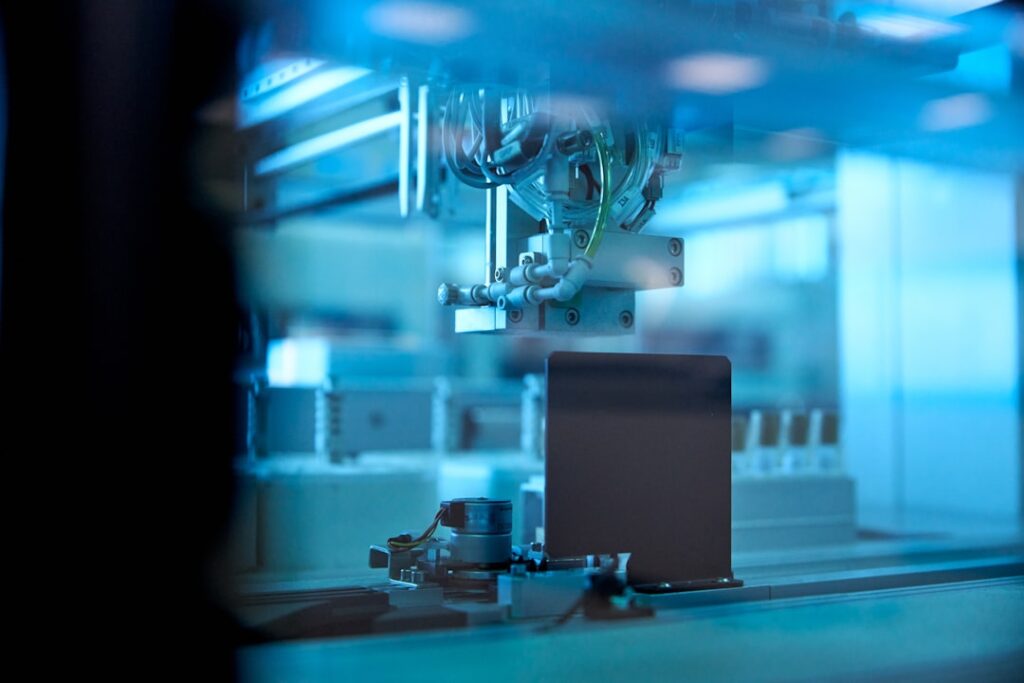
Biomedical equipment technology is a crucial field that supports the functionality and safety of healthcare systems. This discipline blends engineering principles with medical and biological sciences to design, maintain, and improve medical equipment used in diagnosing, monitoring, and treating patients. As healthcare continues to evolve with technological advancements, biomedical equipment technology plays an increasingly integral role in ensuring quality patient care and operational efficiency.
At its core, biomedical equipment technology focuses on the lifecycle of medical devices. This includes everything from installation and calibration to ongoing maintenance and eventual decommissioning. Technicians and technologists in this field are responsible for ensuring that devices such as defibrillators, ventilators, infusion pumps, and imaging systems operate correctly and meet regulatory standards. Their work directly impacts patient safety, as malfunctioning equipment can lead to severe consequences.
The integration of technology in healthcare has expanded the scope of biomedical equipment technology. Devices are now often connected through networks, requiring professionals to understand not only the mechanical and electronic aspects of equipment but also software and cybersecurity. This multidisciplinary knowledge allows them to troubleshoot issues that span both hardware and digital systems. As a result, professionals in this field must possess a broad set of technical skills and keep pace with continuous technological changes.
Education and training are fundamental to success in biomedical equipment technology. Most professionals enter the field with an associate degree in biomedical technology or a related area, although some roles may require a bachelor’s degree. These programs typically cover electronics, physiology, medical terminology, and instrumentation. Hands-on experience through internships or on-the-job training is also essential, providing real-world exposure to the types of equipment used in clinical settings.
In addition to technical skills, soft skills are increasingly important in this profession. Biomedical equipment technicians often work closely with clinical staff to ensure equipment meets the specific needs of healthcare providers and patients. Effective communication, problem-solving abilities, and a strong sense of responsibility are critical attributes. Moreover, the ability to document work accurately and comply with healthcare regulations is essential for maintaining quality and accountability.
Hospitals, clinics, and other medical facilities rely heavily on the expertise of biomedical equipment technologists. Their work ensures that medical devices function reliably, which supports accurate diagnoses and effective treatment plans. With the growing complexity of healthcare technology, facilities often turn to specialized service providers with expertise in biomedical equipment technology to manage their device performance, compliance, and lifecycle planning.
Preventive maintenance is one of the most important tasks performed by biomedical equipment professionals. By regularly inspecting and servicing equipment, they can identify issues before they become critical failures. This not only extends the life of the equipment but also reduces downtime and avoids costly emergency repairs. In high-stakes environments like intensive care units or operating rooms, equipment reliability can significantly influence patient outcomes.
Another emerging area within biomedical equipment technology is the use of data analytics. As devices become more interconnected through hospital networks and the Internet of Things (IoT), there is a growing opportunity to collect and analyze performance data. This information can be used to predict failures, optimize maintenance schedules, and improve asset management. Incorporating analytics into equipment management helps healthcare facilities make informed decisions and allocate resources more effectively.
Because of the field’s importance, there is a strong demand for qualified professionals. Job opportunities are expected to grow as healthcare facilities adopt new technologies and expand their services. Additionally, regulatory requirements for documentation, calibration, and safety testing continue to increase, adding to the demand for skilled technicians who can navigate these complex requirements.
For healthcare organizations looking to enhance their equipment management strategies, partnering with a provider that understands the full spectrum of these services can be beneficial. Choosing a trusted partner in equipment maintenance and compliance can help ensure that facilities meet both operational and regulatory standards.
Biomedical equipment technology is more than a support role; it is a foundational component of modern healthcare. As medical devices become more advanced and interconnected, the need for skilled professionals who can manage and maintain this technology continues to grow. Their expertise not only supports clinical operations but also directly impacts patient outcomes and safety.