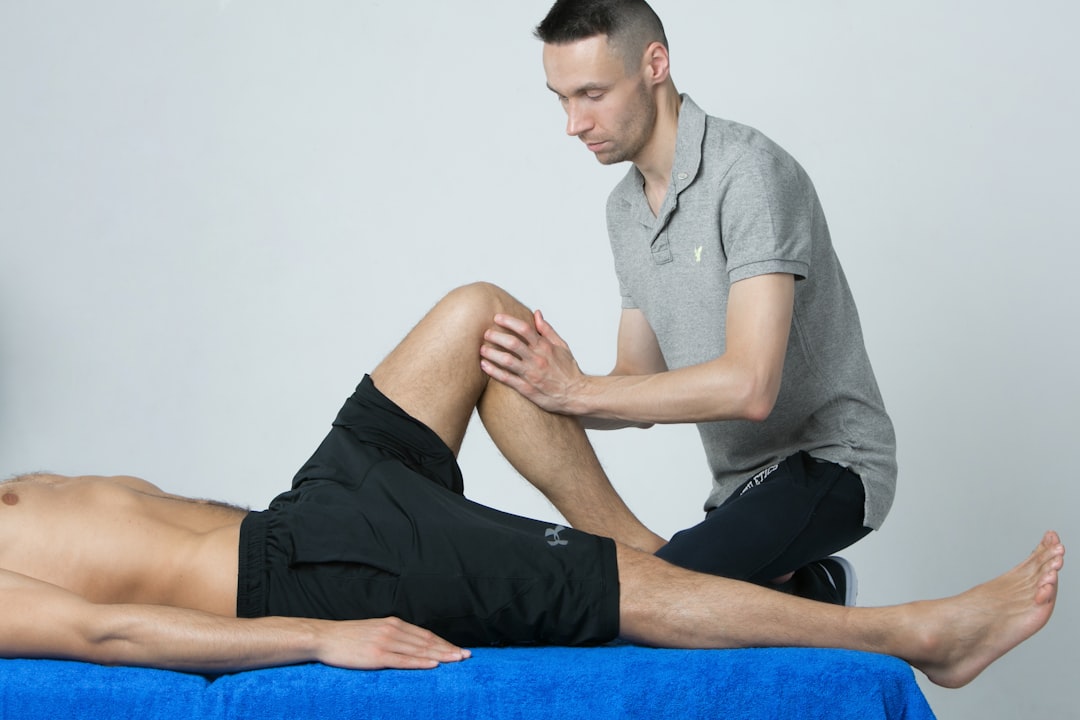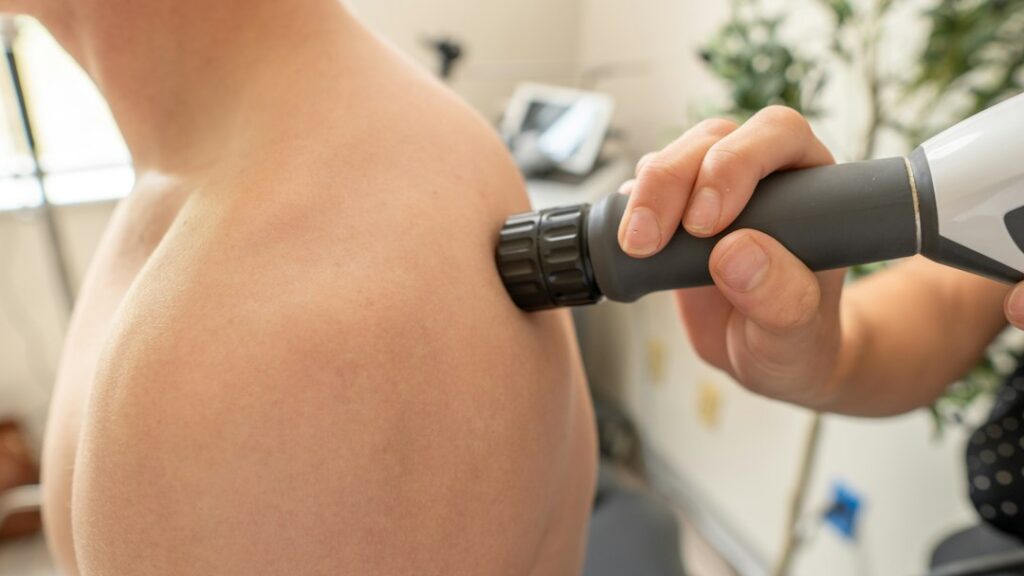

A sprain occurs when an ankle ligament is stretched or torn. Ligaments help guide joint movement, and the outer ankle is often affected when the foot rolls inward. Bruising and tenderness offer useful clues, but they do not show the entire injury. The examination may include checking the ankle bones, calf strength, joint motion, and your ability to bear weight. If you cannot take several steps, have pronounced tenderness directly over a bone, or see an obvious deformity, prompt medical review is more suitable than waiting for routine rehabilitation.
The first few days usually call for adjusted activity rather than complete bed rest. Load management means reducing stress enough for symptoms to settle while preserving safe movement. A desk worker might manage brief walks on level ground but postpone running and repeated stair trips. Someone who teaches children may demonstrate drills from the sideline instead of changing direction with the group. Elevation, comfortable compression, and a protected cold pack may help some people, provided the skin is protected and symptoms are monitored. Keep a simple note of swelling and walking tolerance so the next appointment reflects what actually happened at home.
Restoring motion helps the ankle resume ordinary tasks. Swelling and protective muscle tension can limit the ability to bring the knee forward over the toes or point the foot downward. A clinician might begin with gentle ankle circles, light calf stretching, or controlled knee-to-wall practice. The movement should be measured, not forced through sharp pain. A practical habit is to check how the ankle feels later that day and the following morning rather than judging an exercise only while doing it. If stiffness or swelling lingers, the exercise dose may need to be reduced or reviewed.
Strength training becomes more focused as walking improves. The calf muscles contribute to pushing the body forward, while muscles around the ankle help control side-to-side movement. Early work may involve supported calf raises, resistance exercises, or controlled weight shifts. Progression can lead to single-leg calf raises and, when appropriate, hopping. Balance drills train proprioception, the body’s awareness of joint position. Standing on one leg near a stable support, then reaching in different directions, can expose a problem that is easy to miss on a flat clinic floor. The goal is control, not simply completing a set.
A return to sport should match the movements and volume the activity demands. A tennis player may need to tolerate lateral shuffles, quick stops, and repeated push-offs before playing a full match. A runner could test easy, straight-line jogging before adding distance, pace, hills, or uneven trails. Rehabilitation should account for delayed swelling, including symptoms that appear after work or the next morning. Local guidance from a south yarra physiotherapy clinic can help organize those stages and identify whether the ankle is ready for the next increase rather than relying on pain-free sitting as the test.
Persistent or recurring symptoms call for a fresh assessment. Repeated giving way, swelling after modest activity, night pain, or difficulty recovering normal motion may mean the original problem needs another look. A previous sprain can also change how someone lands and loads the leg, so the clinician may examine the foot, calf, knee, and hip as well. Bring a record of aggravating activities, exercise responses, and any changes in walking to the visit. That information helps refine what to continue, what to pause temporarily, and which signs should prompt a change in the rehabilitation plan.