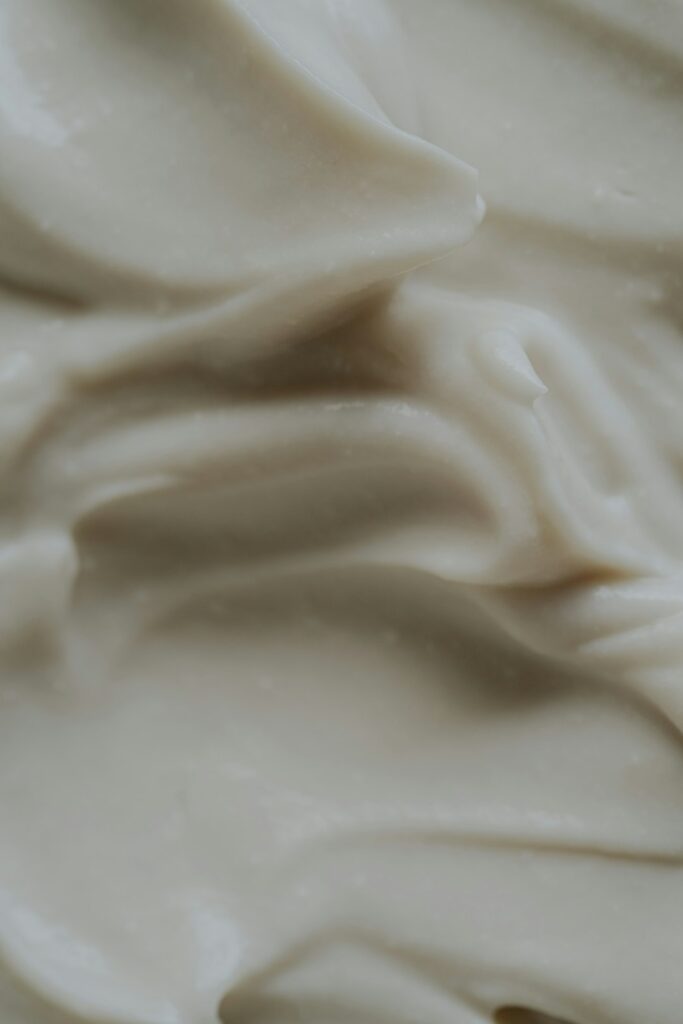

Starting your own batch begins with choosing the right starter culture. A mix containing several carefully selected probiotic strains can improve fermentation significantly. These live bacteria feed on the sugars in coconut cream, turning them into lactic acid. This acid creates the tangy flavor and thick consistency that characterize good yogurt. Achieving the right balance between tartness and creaminess takes some attention but is well worth the effort.
Many assume homemade probiotic yogurt demands fancy equipment or advanced fermentation knowledge. That’s not the case. All you really need is coconut cream, a quality starter culture, and a consistent warm spot around 110 degrees Fahrenheit for fermenting. An oven with the light on or a basic yogurt maker works fine. Regular kitchen thermometers help keep an eye on temperature swings since even small fluctuations can affect texture and taste.
For food business owners, homemade coconut yogurt offers a fresh way to attract customers. Imagine a café adding a house-made coconut yogurt bowl topped with seasonal fruits and granola to their menu. It appeals to people looking for dairy alternatives and highlights the use of local, fresh ingredients. Some cafés even hold workshops showing patrons how to make probiotic yogurt at home, creating community connections while promoting their brand.
Temperature control during fermentation is crucial. If it’s too cold, the cultures won’t activate properly; too warm, and they might die off or produce off-flavors. Using insulated containers or placing jars in a stable environment helps maintain the right heat. Many enthusiasts keep a food-safe thermometer close by during incubation to ensure steady results.
Interest in gut health has increased steadily, pushing more people toward probiotic foods like probiotic yogurt. These live cultures can aid digestion and support immune health when included regularly in diets. Making yogurt at home also offers creative freedom. You can experiment with different flavorings, sweetness levels, or textures until you find what suits your palate best.
Entrepreneurs can tap into this trend by offering starter kits or subscriptions delivering fresh cultures and recipes regularly. Partnering with farmers’ markets for product sampling or fermentation workshops builds trust with customers while educating them about probiotic benefits. This grassroots approach helps create a loyal following and encourages healthier eating habits.
Small details matter in this craft. For example, always using clean utensils prevents contamination that can spoil batches. Labeling jars with start dates ensures you don’t over-ferment your yogurt, which can make it too sour or watery. Keeping cultures refrigerated when not in use preserves their potency for future batches. These habits save time and reduce waste.
If you want to dive deeper into homemade fermentation, resources like natural fermentation techniques provide practical advice beyond just yogurt-making. They cover proper hygiene, storage tips, and troubleshooting common issues. Getting hands-on with these methods makes it easier to maintain consistency and quality in every batch.