
QR code labels have become popular because they hold more data than traditional barcodes and are easy to scan with any smartphone. Retailers use them to link customers directly to product specs, discount offers, or video instructions on how to use an item. For example, a store might put QR codes on electronics that lead to troubleshooting guides or warranty registration pages, making the customer experience smoother and more interactive.
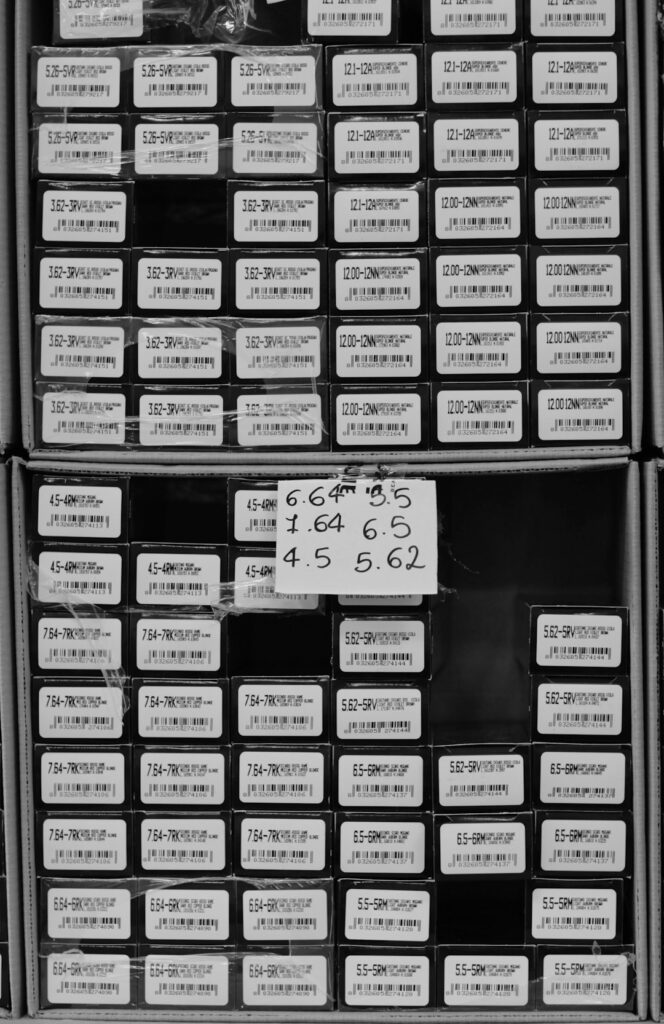
Numbered identification labels are a staple in inventory control. Assigning a distinct number to each batch or item helps warehouses separate stock by arrival date or supplier. This method simplifies audits and helps spot discrepancies quickly. Warehouse staff often keep a printed log of these numbers nearby, cross-referencing items during routine counts to avoid mix-ups that can delay shipments.
Security barcoding adds protection for high-value goods. These labels sometimes feature holograms or inks that react under UV light, deterring counterfeiters. Luxury brands rely on this tech not just for theft prevention but to reassure buyers their purchase is genuine. Staff training on verifying these security features is common, preventing fake products from entering the supply chain unnoticed.
Choosing the right barcode stickers depends heavily on the environment where they’ll be used. Labels exposed to moisture need waterproof materials and strong adhesives that won’t peel off in cold storage or outdoor conditions. Conversely, products handled frequently require durable labels that resist abrasion. Testing samples under expected conditions before bulk ordering is a practical step many businesses take to avoid costly replacements.
Ordering custom barcode labels is often done online these days. The best providers offer design tools with options for size, shape, and print quality. A frequent pitfall is overlooking label placement on products, labels covering important information like expiration dates cause frustration at checkout. Clear communication with the supplier about your exact needs prevents these issues. Experienced teams also advise on barcode density and scanning distance to ensure smooth operation.
Integrating barcode scanning with inventory management software transforms stock control. Real-time updates let managers see exactly what’s in stock, what’s running low, and what’s been sold. This reduces over-ordering and stockouts. Warehouse staff often carry handheld scanners linked directly to the system, which speeds up receiving and dispatching processes while eliminating manual log entries.
For businesses ready to improve their labelling methods, barcode stickers designed for specific needs can make a big difference. From materials that handle freezing temperatures to tamper-evident security labels, options cover a wide range of challenges encountered daily.
If you want practical advice on labelling options tailored for your business type, custom label printing guidance is available through specialist contacts who understand the realities of inventory and product management.