
Cotton remains the go-to fabric for crib sheets because it’s soft, breathable, and helps regulate temperature. Overheating is a real concern, so avoid synthetic fabrics that trap heat. Some parents prefer organic cotton or bamboo materials since these often come without chemical treatments. These choices might cost more, but they limit exposure to potential irritants. Just remember to check labels carefully, “natural” doesn’t always mean chemical-free.
Safety standards are non-negotiable. The American Academy of Pediatrics advises against placing pillows, quilts, or heavy blankets in the crib because they risk suffocation. Instead, fitted sheets designed specifically for crib mattresses are your best bet. They fit snugly, leaving no gaps where a baby could get trapped. Also, check that any bedding you buy complies with current safety regulations; certifications or testing labels can offer some assurance.
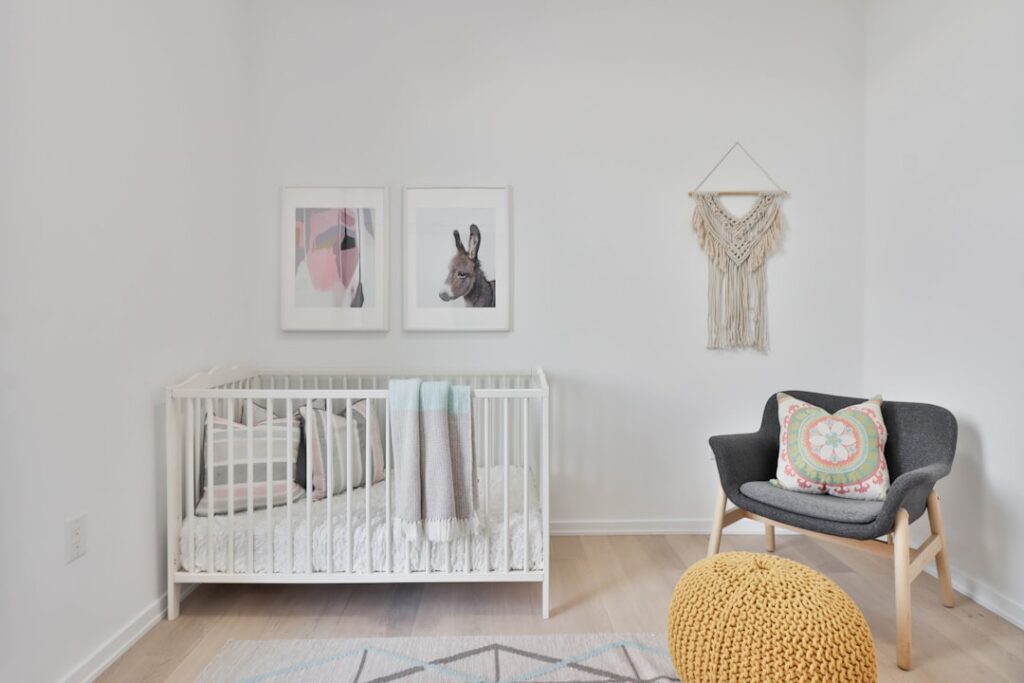
Parents often want nursery bedding to match the room’s decor, which is understandable. But busy patterns or bright colours can overstimulate a newborn. Simple designs and muted tones tend to create a calmer space, which benefits sleep quality. Function should always come before aesthetics. You’ll find that plain white, beige, or pastel shades blend easily with various styles and reduce visual distractions.
Cleaning crib bedding is part of daily life with a baby. Spit-up, diaper leaks, and general messes are inevitable. Choose machine-washable fabrics that hold up after frequent laundering without fading or shrinking. It’s also smart to invest in a waterproof mattress protector that fits under the sheet to guard the mattress from spills and moisture. A practical habit is to have at least two sets of sheets on hand so you’re never caught off guard when one is in the wash.
If environmentally friendly products are important to you, consider baby crib bedding made from sustainable materials. Organic fabrics produced without pesticides benefit both your child and the planet. Keep in mind that eco-friendly options sometimes require special care instructions like gentle washing or air drying to maintain their quality.
Babies change fast, and so do their needs in bedding. A newborn sleeps mostly on their back and stays put, but as they grow into toddlers who roll and move around, bedding needs shift too. Heavier blankets may become appropriate later, but only after careful evaluation of safety advice. Staying up to date with sleep guidelines and adjusting bedding choices accordingly helps avoid risks.
Before buying, check mattress sizes carefully and measure your crib mattress if possible. Ill-fitting sheets cause frustration and safety hazards. Some parents test new bedding by tucking the fitted sheet tightly and checking for any loose fabric before placing their baby inside. This small step can prevent rework and reduce anxiety.
If you want more detailed information on safe sleep environments and evolving bedding options, baby sleep environment advice provides useful resources to guide you through these decisions.