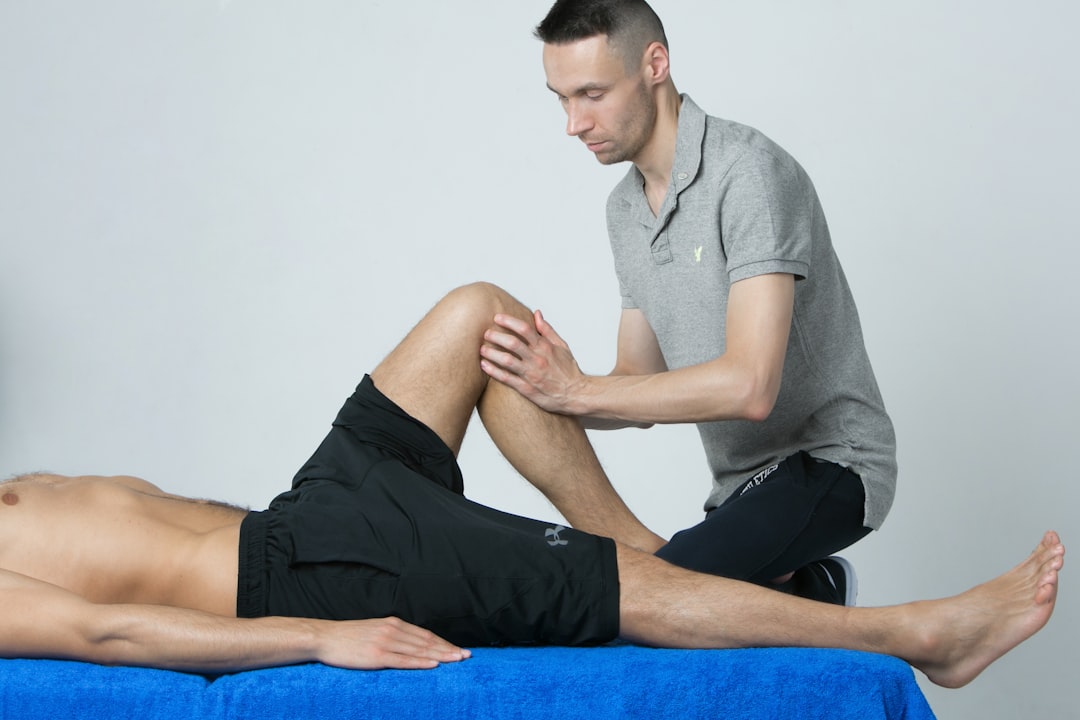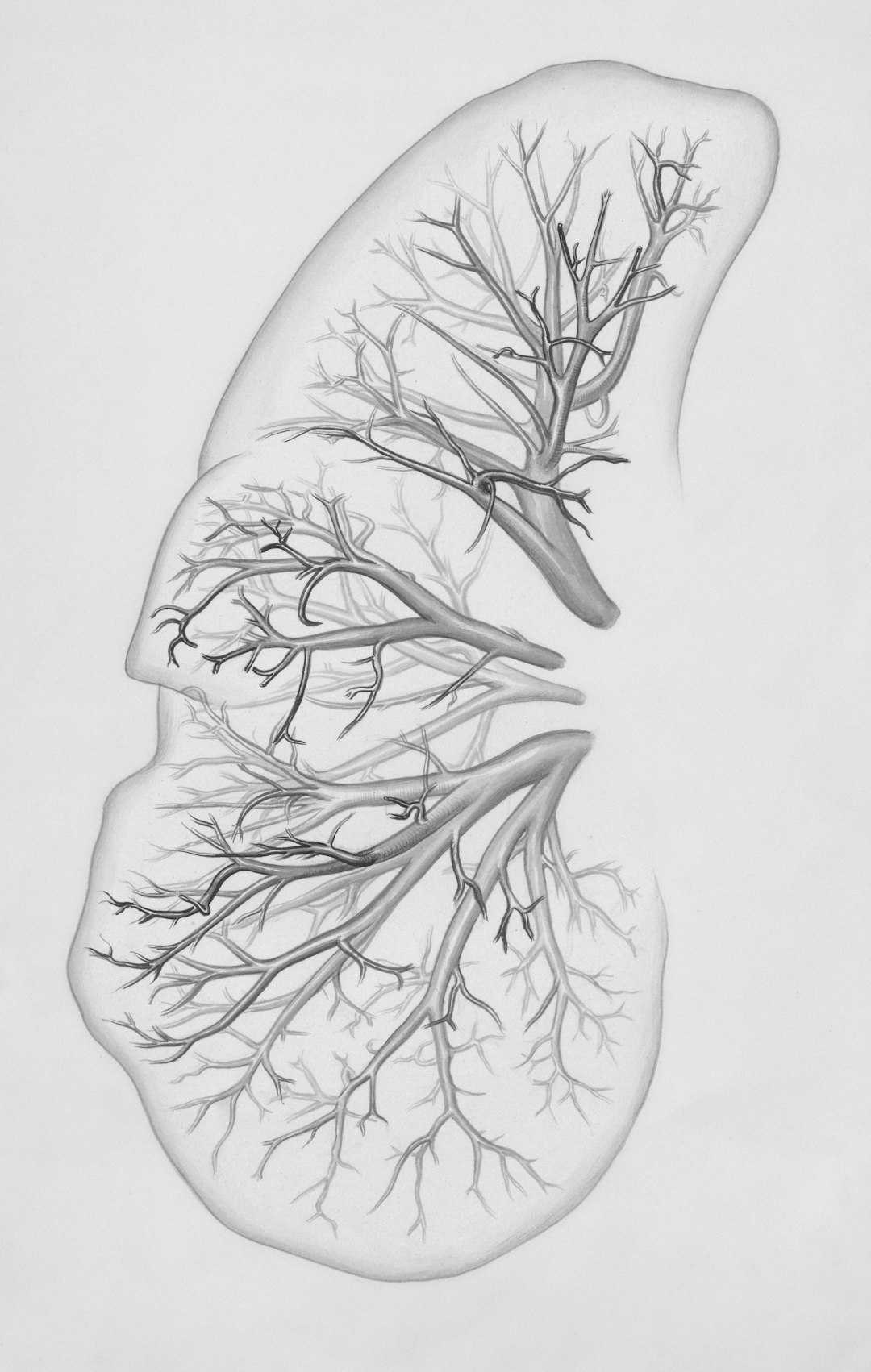

Secretion clearance involves hands-on methods such as manual chest physiotherapy. Here, therapists use rhythmic percussion and vibrations on the chest to shake loose mucus stuck deep in the airways. Devices like positive expiratory pressure (PEP) masks are also common. These tools create gentle resistance during exhalation, encouraging air to reach trapped areas and push mucus upward. Patients often find that combining these approaches enhances mucus mobilization over time. Knowing when and how to use each method can change the treatment’s success.
Staying hydrated is another key factor often overlooked. Thick, sticky mucus is much harder to clear. Physiotherapists routinely stress drinking plenty of fluids, especially water, to thin secretions. Some patients benefit from humidifiers, which add moisture to dry indoor air and soothe irritated airways. A simple habit like sipping water regularly throughout the day can prevent secretions from becoming too dense, making therapy sessions more productive.
Education is a cornerstone of effective secretion management. Patients who grasp why certain techniques work tend to stick with their routines better. Therapists explain how specific postures, like sitting forward or lying on one side, can help drain mucus from different lung sections. They also cover the timing and frequency of therapy so patients can avoid overdoing it, which sometimes leads to fatigue or irritation. These conversations often include tips about keeping therapy tools clean to prevent infections, a detail that’s easy to miss but critical.
For elderly patients or those with neurological difficulties, traditional methods might not be practical. Respiratory muscle training offers a useful alternative. Exercises targeting the diaphragm and accessory breathing muscles can strengthen respiratory function, gradually improving a patient’s ability to clear secretions independently. This approach requires patience and consistent practice, often practiced at home with simple devices or guided routines prescribed by a physiotherapist.
Many patients face challenges getting to clinics regularly due to mobility issues or transportation problems. Mobile physiotherapy services address this by bringing treatment into the home environment. This setup allows therapists to tailor sessions around daily routines and observe how patients manage secretion clearance in their own space, adjusting techniques on the spot. It also reduces missed appointments caused by travel difficulties, helping maintain steady progress.
People interested in strategies for secretion clearance should consider consulting a specialist who can tailor treatments specifically for their condition and lifestyle. Part of effective care includes discussing medication timing alongside physiotherapy, since some inhalers work best before exercises to open airways. Also, documenting therapy sessions in a simple log helps track what works or needs adjustment, a practical habit many patients find invaluable for communicating with their care team.
Physiotherapists often encourage patients to recognize signs that might require medical review, such as increased coughing, changes in sputum color, or fever. These indicators suggest that infection could be developing and that treatment plans might need updating. Understanding these red flags can prevent complications and ensure timely intervention.
Those seeking more information on respiratory care can explore options like assistance with airway clearance techniques. Finding a provider familiar with these methods can make all the difference in managing symptoms effectively and maintaining lung function over time.