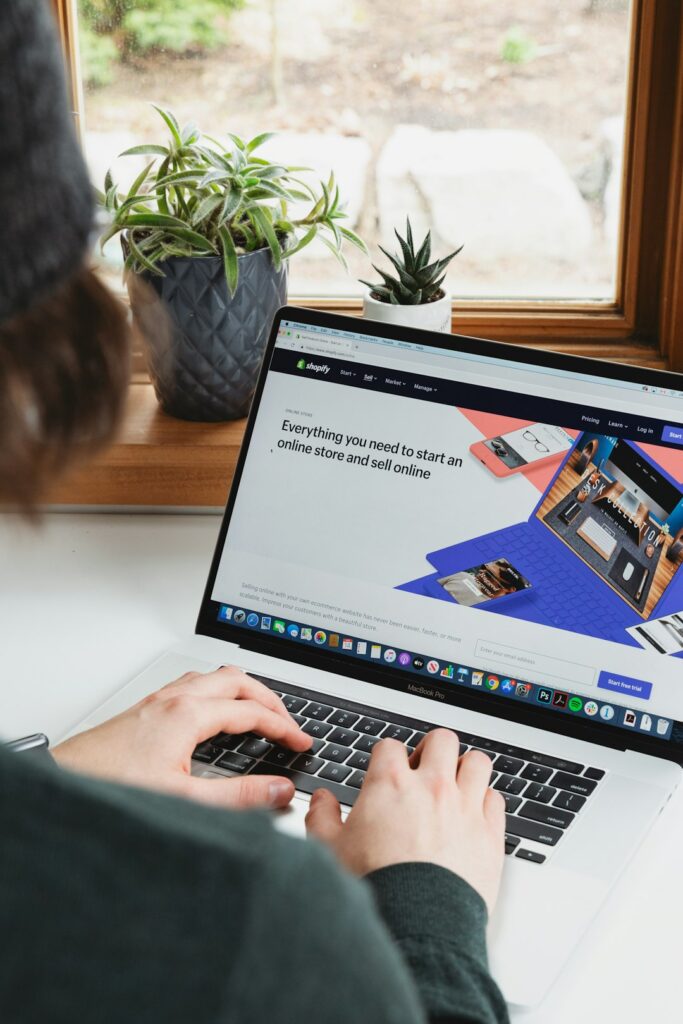

Custom web development offers flexibility that templates simply can’t match. Templates often limit your options for layout, features, and user experience, making it tough to highlight what makes your products special. For example, if you craft handmade items, you might want an interactive section where customers can see detailed images or videos of the making process, something hardly achievable with off-the-shelf designs. Custom platforms also allow you to integrate unique functionalities like dynamic pricing or personalised product recommendations, which can boost engagement.
The process starts by clearly defining what your business needs.
Which payment gateways do you want? How about inventory management or shipping integrations? It’s worth spending time on this upfront because unclear requirements tend to cause delays and extra costs later. I’ve seen projects stall because clients didn’t communicate whether they needed features like multi-currency support or customer review systems. Working closely with developers who ask the right questions and understand your workflow can save a lot of headaches.
One big advantage of custom ecommerce sites is ongoing support that fits your growth. Template providers often offer limited help once your site is live, leaving you stuck when issues pop up or upgrades are needed. With a bespoke platform, you usually get access to a dedicated team familiar with your setup. Whether it’s fixing bugs quickly or adding new capabilities as your business evolves, having reliable support can keep things running smoothly.
Security has to be a priority from day one.
Custom sites can incorporate strong protections like SSL encryption, regular security patches, and compliance with data privacy laws. Templates sometimes lag in these areas because they rely on standard components that aren’t always updated promptly. Protecting customer data builds trust and reduces risk of breaches, so it’s worth making security part of your initial plan rather than an afterthought.
Mobile shopping is huge now, so your site must perform well on phones and tablets as well as desktops. A tailored ecommerce platform lets you build responsive designs that adjust perfectly to different screen sizes and devices. This matters because clunky mobile experiences cause visitors to bounce fast. I recall a client whose sales doubled within months after switching to a mobile-optimised site that loaded quickly and kept navigation simple on small screens.
Page speed also impacts user satisfaction and search rankings. Templates are often bloated with unnecessary scripts and styles, which slow down loading times.
Custom-built sites can be streamlined by including only essential code and optimising images and resources. Keeping load times under a few seconds makes a noticeable difference in how long visitors stay and whether they complete purchases.
As you look into options for your online store, focus on flexibility and alignment with your business processes. A bespoke ecommerce platform offers room to grow and adapt without being boxed in by template constraints. Your website should work for you, not against you. When requirements change or new opportunities arise, having a tailored solution means less rework and faster implementation.
Work with developers who listen carefully and offer practical advice based on experience, not just technical jargon. I recommend keeping detailed notes during planning meetings so everyone stays on the same page; it’s common for miscommunication to cause costly revisions later on. Don’t hesitate to ask questions about maintenance plans or update schedules before committing. If you want reliable help with setting up your store and maintaining it over time, can provide the assistance you need as you build your online presence.