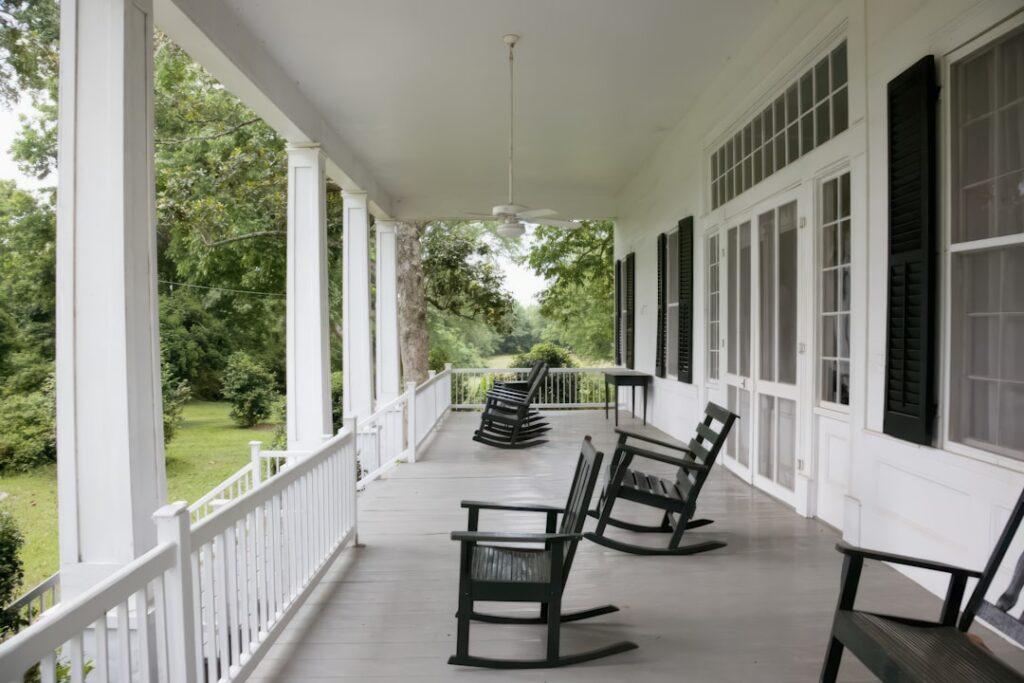

Design is where most decisions start. A popular choice is a minimalist look with frameless glass panels that don’t obstruct your garden views. Clean lines and simple profiles work well with both modern and traditional homes in Devon. Before buying, check that the veranda’s style complements your house’s architecture rather than clashes with it. Getting this right makes the whole addition feel like it belongs.
Material quality has a big impact on durability and comfort. Toughened safety glass is standard for its strength and resistance to impacts. It also helps with insulation, keeping the veranda warmer in winter and cooler in summer. Look for insulated frames; they reduce heat loss and can lower your energy bills. Ask the installer about UV protection coatings to prevent fading on your furniture.
Installation isn’t something to take lightly. Structural integrity matters because glass verandas need solid fixing points to withstand wind loads common in coastal Devon. DIY installation risks missing critical details like proper anchoring or meeting local building codes. Often, hiring experienced professionals saves time and avoids costly mistakes. They’ll handle permits and ensure the structure complies with regulations, which can be complicated if you live in a conservation area.
Think about how you’ll use the space. If you plan to host dinners or social events, built-in lighting and heating can extend usability into cooler evenings. For a quiet retreat, comfortable seating and some greenery will create a calming atmosphere. Practical touches like blinds or retractable screens also help control sunlight and privacy.
Additional features can boost the veranda’s versatility. Bi-fold doors, for example, let you open up the space fully to the garden on warm days. Weatherproof outdoor furniture keeps your setup functional through rain or shine. It’s common for homeowners to underestimate maintenance needs; regular cleaning of glass and frames prevents buildup of dirt and grime that can degrade seals or cause leaks over time.
Before finalising your plans, review your building regulations carefully. Some councils require specific permits for glass structures, especially if they affect sightlines or neighbour privacy. Keep documentation handy during installation to avoid delays or penalties. Communication with neighbours can also prevent misunderstandings about construction work.
A well-chosen glass veranda adds value and expands your living space effectively. Focus on matching design to your home, selecting durable materials, planning installation with local rules in mind, and maintaining the structure properly. These steps lead to a practical outdoor space that feels like a natural extension of your home rather than an afterthought.
For inspiration and examples of stylish options, check out glass veranda devon. If you want advice tailored to outdoor renovations in Devon, visit .