
Dry eye has several possible patterns. Aqueous-deficient dry eye occurs when the eyes produce too little of the watery part of tears. With evaporative dry eye, tears disappear too quickly, often because the oily layer is not spreading effectively. Tiny meibomian glands in the eyelids contribute to that layer, and inflammation or blockage can affect its quality. Screen work adds a separate strain: people tend to blink less while concentrating, leaving the tear film uneven. Drops can replace moisture for a while, but they will not necessarily address eyelid disease or another health problem.
Your likely frequency of use should influence the product you choose. Preservatives help keep a multi-use bottle stable, yet some frequent users find preserved formulations irritating. Preservative-free drops often come in single-use vials or purpose-designed containers, which can be practical if lubrication is needed several times daily. Gels stay on the eye longer and may briefly blur vision, so they are often more convenient at bedtime than before a drive. Ointments are thicker still and commonly make vision hazy. Do not assume that extra drops will provide extra benefit; follow the label’s directions.
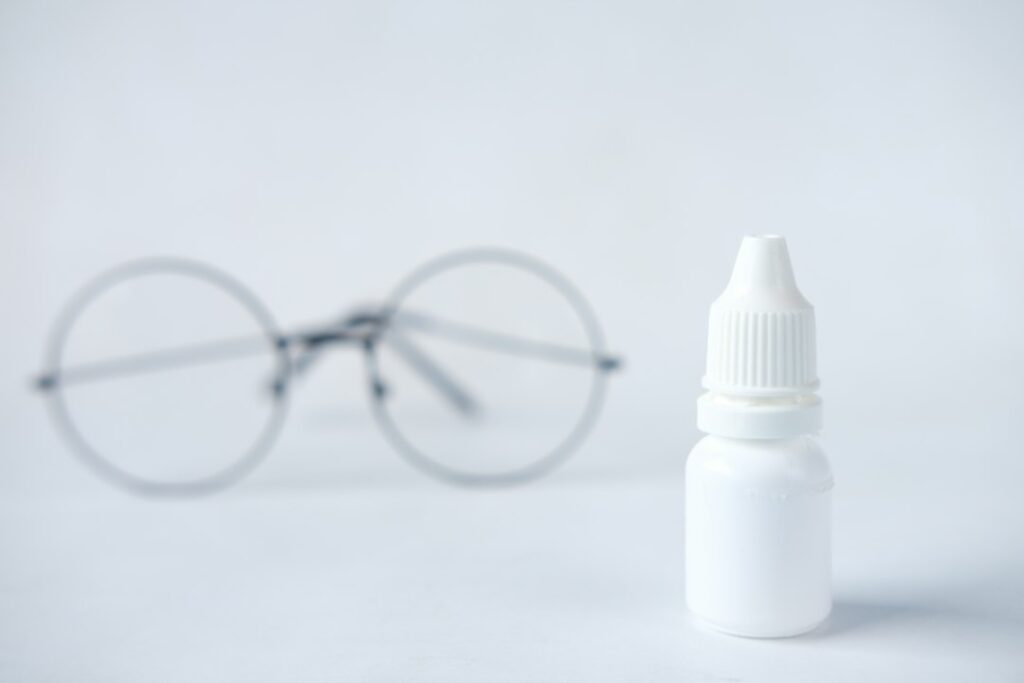
Good technique reduces mess and lowers the chance of contaminating the bottle. Wash and dry your hands, tilt your head back, look upwards and gently draw down the lower lid. Place one drop into the pocket without allowing the tip to touch your eye, lashes or fingers. Close the eye softly for a few seconds rather than blinking hard, which can force liquid out. If two eye medicines are prescribed, separate them by a few minutes unless a clinician gives different instructions. A useful habit is to check the leaflet before each new bottle, since directions can differ.
Contact lens wearers should pay particular attention to compatibility. Some drops are not intended for use while lenses are in place, and the product instructions may specify how long to wait before reinserting them. During a video call, pause to look into the distance and blink deliberately instead of staring continuously at the screen. Keep fans, heaters and car vents from blowing directly at your face, as moving air can increase evaporation. Warm compresses and gentle lid cleaning may be suggested for meibomian gland problems. The compress should feel comfortably warm, never hot, and should stop if it irritates the skin or eye.
Arrange an eye examination if symptoms keep returning, interfere with reading or driving, or require drops very frequently. A clinician can examine the tear film, cornea and eyelid edges, while also considering conditions that can resemble dry eye. Seek prompt care for marked pain, strong light sensitivity, sudden vision changes, an injury or pronounced redness, particularly if you wear contact lenses. Do not use a bottle that is cloudy, discoloured or past its expiry date. Store it as directed, keep the nozzle clean and never share it. If a medicine seems to coincide with new dryness, ask a pharmacist or prescriber before changing it.
A short record can make an appointment more useful. Note when you use the drops, how long relief lasts, and whether stinging or blurred vision follows. For example, relief in a heated office but not outdoors may suggest evaporation or environmental triggers rather than a simple need for more frequent dosing. Take the bottle, packaging or a clear photograph of its label to the appointment, especially if you use several medicines. For practical dry eye care advice, an eye-care professional can compare your symptoms with the formulation and routine instead of leaving you to rely on trial and error.