
Knee pain usually comes from a few common sources. Osteoarthritis occurs when the cartilage cushioning the knee wears down, often in older adults, leading to stiffness and discomfort. Ligament injuries, like an ACL tear, are typical among athletes and cause joint instability that can interfere with daily activities. Tendinitis arises from repetitive strain inflaming the tendons around the knee. Each condition requires its own treatment focus. Knowing what’s behind your pain helps your physiotherapist design exercises and techniques that target your specific needs.
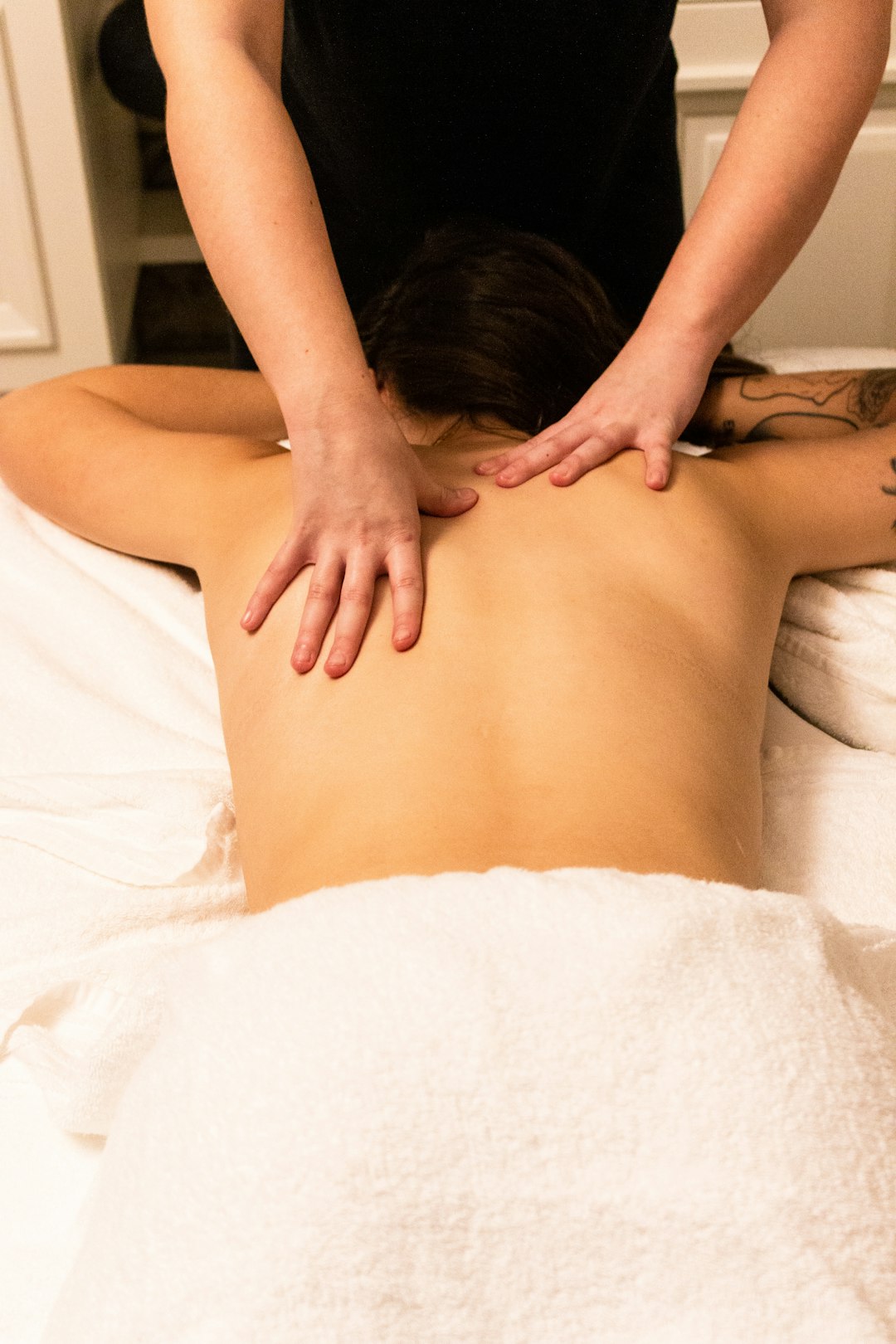
A physiotherapist starts by carefully assessing your knee’s range of motion, strength, and any swelling or tenderness. They’ll check how you walk and move to spot movement patterns that might worsen your pain. The treatment plan typically combines manual therapy, like massage or joint mobilization, with exercises that build muscle support around the knee. For instance, if your quadriceps are weak, you might do sit-to-stand exercises or straight leg raises at home. Progression is gradual, avoiding quick jumps in intensity which could backfire.
Home visits can make a big difference when travel is tough due to pain or limited mobility. Receiving treatment in your own space allows the therapist to tailor exercises using chairs, stairs, or other household items. This approach helps you manage challenges unique to your environment and keeps therapy practical. It also encourages consistent practice since you don’t have to leave home, which is often where progress stalls.
Choosing the right physiotherapist matters. Look for one who listens and explains the reasons behind each exercise or technique. The best therapists educate you on how your knee works and why certain movements help or hurt. Building trust and clear communication reduces misunderstandings, like when patients expect instant relief and get frustrated if progress seems slow. Consistent follow-up ensures exercises remain suitable as your knee improves or if setbacks occur.
Additional treatments such as ultrasound therapy or electrical stimulation might be recommended alongside exercises. These methods aim to reduce inflammation and promote tissue healing, but they’re not a fix on their own. Your physiotherapist will decide if these options fit your case based on severity and response to initial therapy. It’s common for patients to feel some soreness after starting new exercises; this should ease with time but always report unusual pain.
If you want practical ways to ease knee pain, consider consulting a physiotherapist experienced in physio for knee pain. They’ll guide you through a tailored plan designed to improve your strength, stability, and confidence moving around. Remember, recovery varies widely between people; steady communication with your therapist about what feels right ensures the best outcomes.
For those ready to take control of their knee health, explore rehabilitation options nearby. Understanding the resources available helps you stay informed and engaged throughout your recovery process.