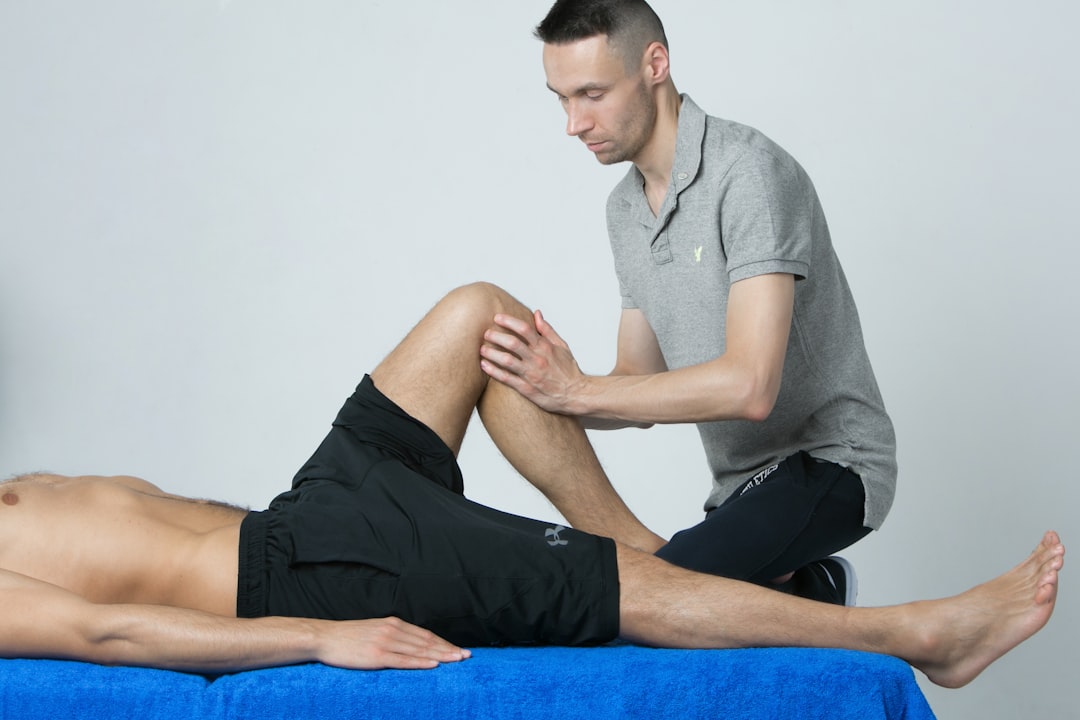

One method within this therapy is neurofeedback. It involves tracking brainwave patterns and giving feedback so the person can learn to adjust their brain activity. In practice, Sarah might use neurofeedback sessions to train her brain to maintain concentration during demanding tasks. Over time, this training could help reduce mental fatigue and improve how she handles complex work.
Cognitive training exercises are another tool. These involve targeted activities designed to strengthen particular mental skills. For example, if Sarah often forgets key points in meetings, she might follow a program focused on enhancing memory retention. Consistent practice can improve recall and make it easier to access important information when it matters most.
Diet also affects cognitive performance. Nutrients like omega-3 fatty acids, found in fish, and antioxidants in fruits and vegetables support brain health. Cutting back on processed foods and sugar helps prevent energy crashes and mental fog. Sarah could benefit from adjusting her diet to include these elements, which might boost her focus during long workdays.
When considering providers, Sarah should check their qualifications carefully. Licensed psychologists with neuropsychology training or certified cognitive coaches typically have the right background. Verifying their credentials and asking for client references can prevent wasted time on ineffective or unsuitable treatments.
Different approaches suit different people. Age, health conditions, and lifestyle influence what works best. An older adult might respond better to gentle brain exercises rather than intensive neurofeedback sessions. Sarah needs to match therapy choices to her specific situation rather than following trends blindly.
To deepen her knowledge, Sarah can explore resources online. Reading detailed articles or joining forums where people share their experiences with cognitive enhancement therapy offers practical perspectives. Such firsthand accounts may reveal common challenges and tips for success that formal descriptions often miss.
Consulting with professionals through individual sessions or group workshops provides tailored advice and motivation. These interactions help refine methods based on real progress and feedback instead of relying solely on self-guided efforts. Sarah could track improvements by keeping a daily journal of her focus levels and memory performance to spot patterns over time.
Finding the right mix of techniques that fit her routine will take some trial and error. She should stay flexible, adjusting practices as needed while keeping an eye on tangible gains in mental sharpness and work efficiency. For additional information on cognitive health strategies, she might visit brain fitness programs near me, which offers local resources and community support.