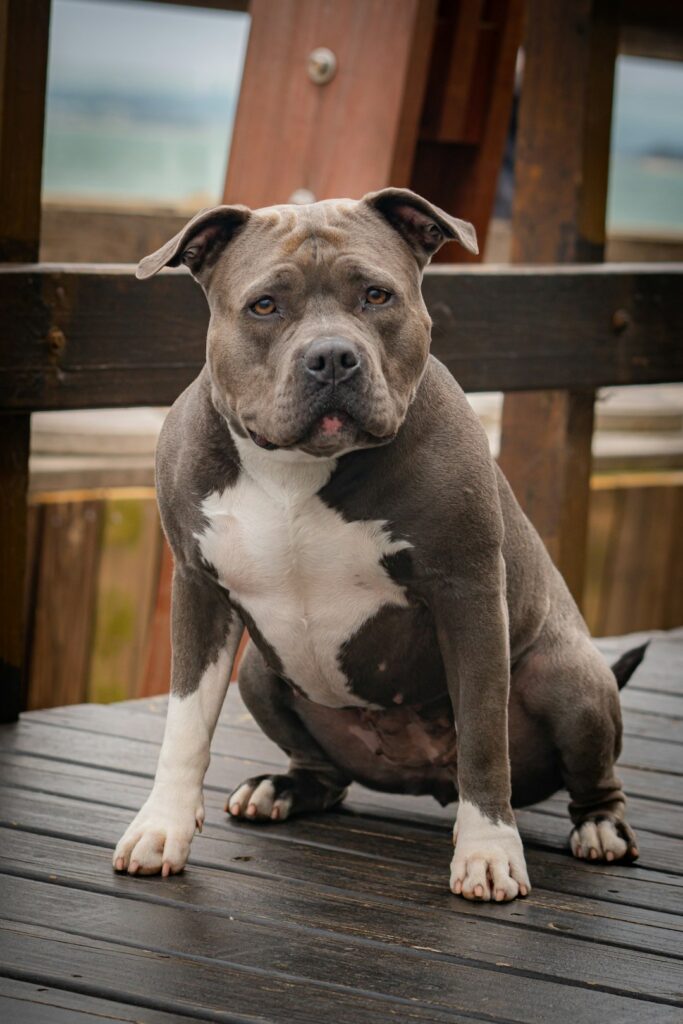

Start with chest girth, usually the most useful number for sweater selection. With the dog standing naturally, wrap a flexible tape around the deepest part of the rib cage, just behind the front legs. Keep the tape level and snug without compressing the coat. Measure the neck at its base, especially for a pullover with a fixed opening. For back length, measure from the base of the neck to the point where the tail begins. Write each result in a phone note or on the packaging label you keep for future purchases. Take a second reading if your dog moves.
A sweater needs ease, meaning room beyond the body measurements, but extra fabric is not automatically more comfortable. Too little room can pull the armholes forward and press across a deep chest. Too much can twist under the belly, catch on a chair, or shift beneath a harness. Check whether the dog can sit, turn, stretch, and lift each front leg. Look at the underside after a short walk, not only the top while the dog is standing still. A narrow waist beneath a broad rib cage may need a shaped cut rather than simply a larger size.
The neckline deserves its own test. A broad headed dog may resist a tight pullover opening even when the chest measurement matches the chart. Stretch knit, ribbed edging, or a side closure can make dressing easier, though stretch does not make a small sweater fit every body. Armholes should remain clear of the armpits, where a seam can rub with each step. Check the inside for scratchy stitching and rough labels. Dogs with short coats may prefer a soft lining, while a bulky layer can be awkward indoors, in a heated vehicle, or under walking equipment.
Choose thickness according to the setting and the dog’s activity. A stocky dog going out for a brief evening walk may need a flexible, moderate weight layer that does not bunch beneath a harness. A lean dog resting on a drafty porch may need more coverage, provided the fabric stays dry and does not drag on the ground. Test the harness with the sweater before the first outing. If it goes over the garment, confirm that every strap lies flat and the neck area is not crowded. A sweater adds coverage, but it does not remove the need for supervision in cold or wet weather.
After delivery, put the sweater on indoors and allow a few quiet minutes before asking for a walk. Watch for repeated scratching, freezing, tucked posture, excessive licking, or backing away. These responses can indicate discomfort rather than stubbornness. Walk a few steps, then inspect the seams around the chest, front legs, and belly. If the fabric slides sideways, compare the garment’s back length and chest shape with your notes. A useful habit is measuring your dog first, then saving the chart and your dog’s numbers together so the next purchase does not start from memory.
Fit can change after washing or a change in routine. Follow the care label, since heat may shrink some knits, reduce stretch, or leave the surface rougher. Recheck the sweater if your dog gains or loses weight, grows a thicker seasonal coat, or begins wearing a different harness. Keep the neckline, leg openings, and belly area free of mats and debris. During each use, look for damp fabric or twisted seams and remove the garment if movement becomes restricted. A well chosen sweater should stay in place while the dog walks, rests, and plays, without requiring repeated adjustment.