
Start with location, then measure it against your schedule. Midtown covers several busy areas, so a venue near Herald Square may suit a theater plan while one closer to MSG may reduce walking before an event. Search for midtown bars nyc and check the route between the bar, your office, hotel, or destination. Proximity is not merely about distance. It also includes street crossings, subway access, weather, and the time needed to settle in. For example, a ten-minute walk may be reasonable before dinner but risky when doors open at seven.
Next, understand the reservation policy. A reservation is a request for a defined table time, while a walk-in means you accept whatever seating is available when you arrive. A reservation window is the period during which the venue expects you to claim that table, and a late arrival can affect the plan. Ask about availability when your group has a firm schedule. If your timing is uncertain, choose a flexible meeting point and arrive early. For a Friday gathering, separating the person who arrives first from those still commuting can make the walk-in approach more practical.
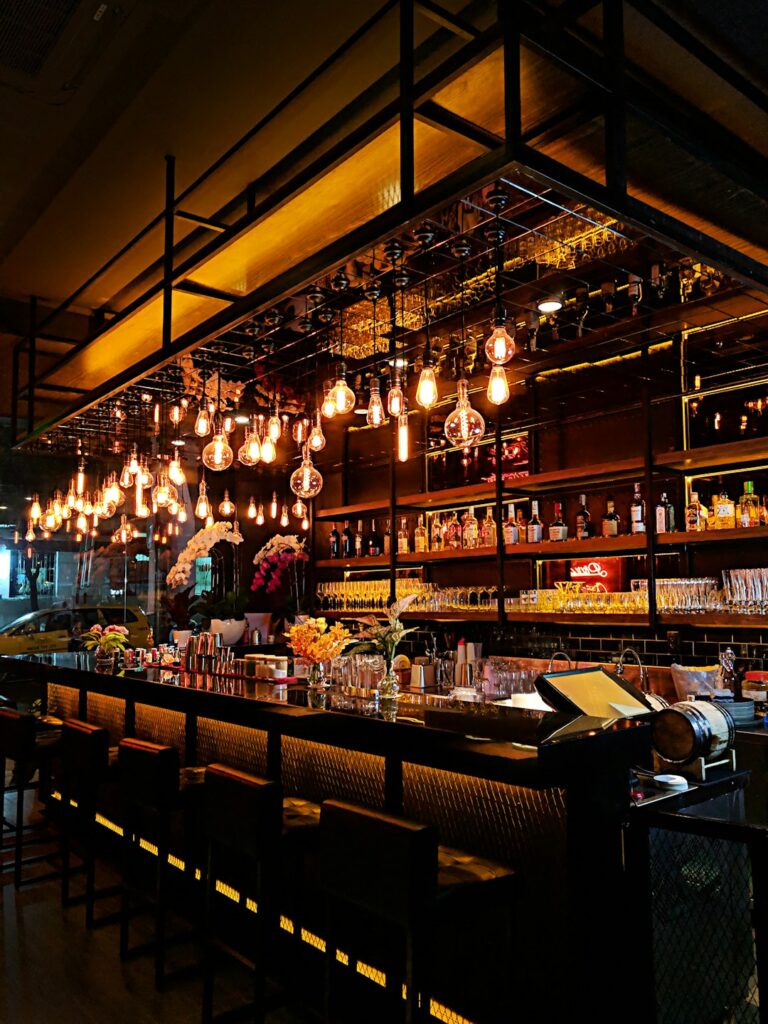
Then match the service format to the occasion. A cocktail bar centers the visit on drinks, while a restaurant and cocktail bar may support both a meal and drinks in the same outing. That distinction affects how long you should plan to stay and whether everyone needs to order food. A seated dinner usually follows a slower service sequence: drinks, menu choices, food, and the check. A brief pre-show drink requires faster pacing. A Garment District cocktail bar can make sense when your group wants a meal near Herald Square, especially if the plan combines conversation with a drink.
Read the menu with timing and dietary needs in mind. Elevated American cuisine is a broad description, so do not assume it answers every question about ingredients, portions, or substitutions. Check whether the menu includes the kind of food your group expects, then contact the venue if someone has an allergy or strict dietary restriction. Menu pacing means the time between ordering and receiving each course; it matters when you have a curtain, reservation, or train to catch. For brunch, also confirm that daytime service fits your meeting time rather than treating an evening menu as a guide.
Group size changes the decision. Two people can often adapt to a bar seat or a small table, while six coworkers may need a reservation and a clear plan for splitting the check. A large group should ask whether everyone can sit together, whether the venue can accommodate separate payments, and whether food or drink orders need to be coordinated. These are operational details, meaning the practical rules that shape the visit. For example, a birthday gathering may value reliable seating more than a spontaneous stop, while a casual reunion may prefer flexibility over a fixed table.
Make the final choice by ranking three needs: location, timing, and visit style. If location leads, select a venue near your next stop. If timing leads, confirm the reservation or choose a quicker format. If conversation and food lead, favor a seated restaurant and cocktail setting such as the garment district cocktail bar described in the available venue information. Recheck hours, menus, and reservation details before leaving, since service arrangements can change. This approach gives your group a clear reason for the choice without pretending that one Midtown bar fits every night.