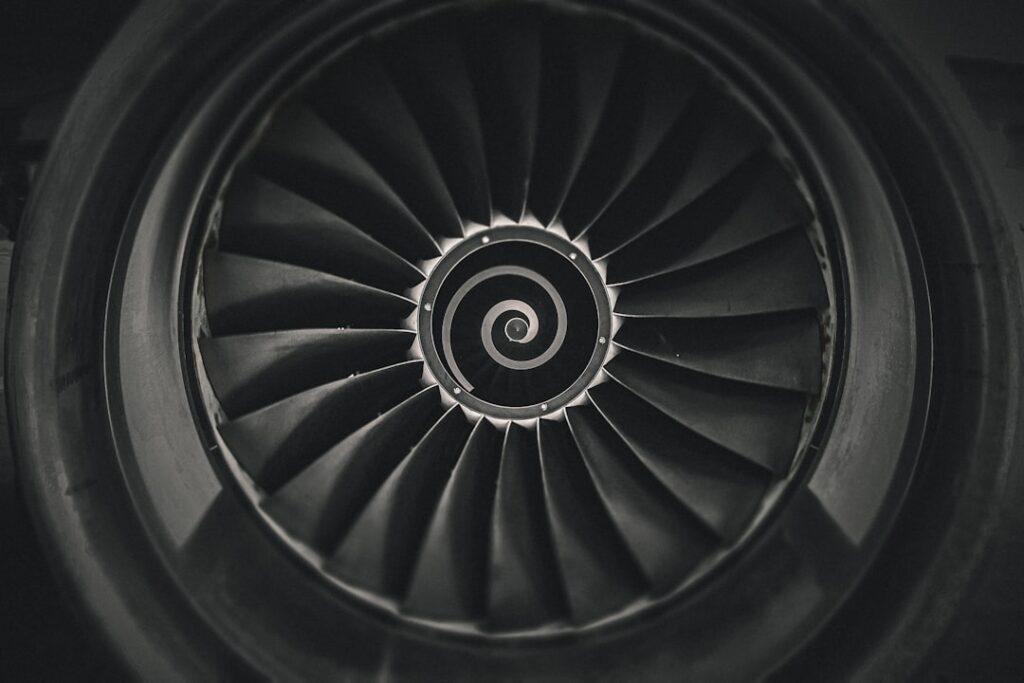

The Garrett G Series II lineup includes models from the G25 up to the G55, each engineered for faster spool and better aerodynamics than previous generations. The improved turbine and compressor wheel designs reduce backpressure and optimize airflow, which means quicker throttle response. Choosing between, say, the G30 and G42 depends on whether mid-range torque or high-end power is the priority. Shops that understand these nuances can tailor solutions precisely, rather than guessing or relying on brand reputation alone. It’s common practice among seasoned tuners to print out compressor maps alongside engine specs during consultations to explain why one model works better than another.
One overlooked detail is compatibility with supporting components. Installing a new turbo often requires upgrades to fuel injectors, intercoolers, and engine management systems to avoid lean conditions or overheating. Shops that advise customers on these necessary modifications upfront save themselves from rework and dissatisfied clients. A typical mistake is installing a bigger turbo without adjusting fuel delivery, which leads to dangerous running conditions. Good workshops keep checklists for each installation type and verify that all supporting parts are ready before proceeding.
Education builds trust in this business. When owners take time to explain why the G25 suits one build but the G35 makes more sense for another, clients feel involved and informed. This transparency encourages repeat business and positive word-of-mouth referrals, a vital currency in performance tuning circles. It’s not unusual for shops to keep physical brochures or digital files handy during appointments to walk customers through technical details. These small gestures set professionals apart from those who push products without explanation.
The Garrett G Series II turbines feature advanced wheel designs that improve spool times by reducing inertia and enhancing aerodynamic efficiency. This means engines reach boost pressure faster, improving throttle response noticeably compared to older models. Tuners familiar with these upgrades often test-fit different units on dynos before final recommendations. Real-world experience shows that even a slight difference in wheel geometry can impact drivability as much as peak horsepower numbers.
Understanding how A/R ratios affect exhaust flow is another key factor rarely discussed outside expert circles. Smaller A/R ratios typically yield quicker spool but can limit top-end power, while larger ratios suit high-rpm builds but may introduce lag. Shops that track customer feedback about daily driving versus track use often adjust turbo choices accordingly. Keeping detailed notes on each build helps avoid repeating mistakes and improves future recommendations.
For those wanting detailed product specs and performance data, HPT Turbos provides extensive information on the Garrett G Series II range. This resource helps business owners stay current with technical updates and understand how each model fits different applications.
Beyond product details, it pays to have reliable sources for general turbocharger knowledge too. Sites like turbocharger maintenance tips offer practical advice on installation best practices, common troubleshooting steps, and how to extend turbo life through proper care. These insights complement detailed specs by addressing real-world challenges technicians face every day.
In performance tuning, success isn’t just about slapping on parts; it demands a clear grasp of how components interact and a willingness to educate customers honestly. Avoiding pitfalls like ignoring compatibility issues or rushing model selection makes all the difference. Staying informed about advancements like those found in the Garrett G Series II helps shops deliver measurable improvements that customers actually notice behind the wheel.