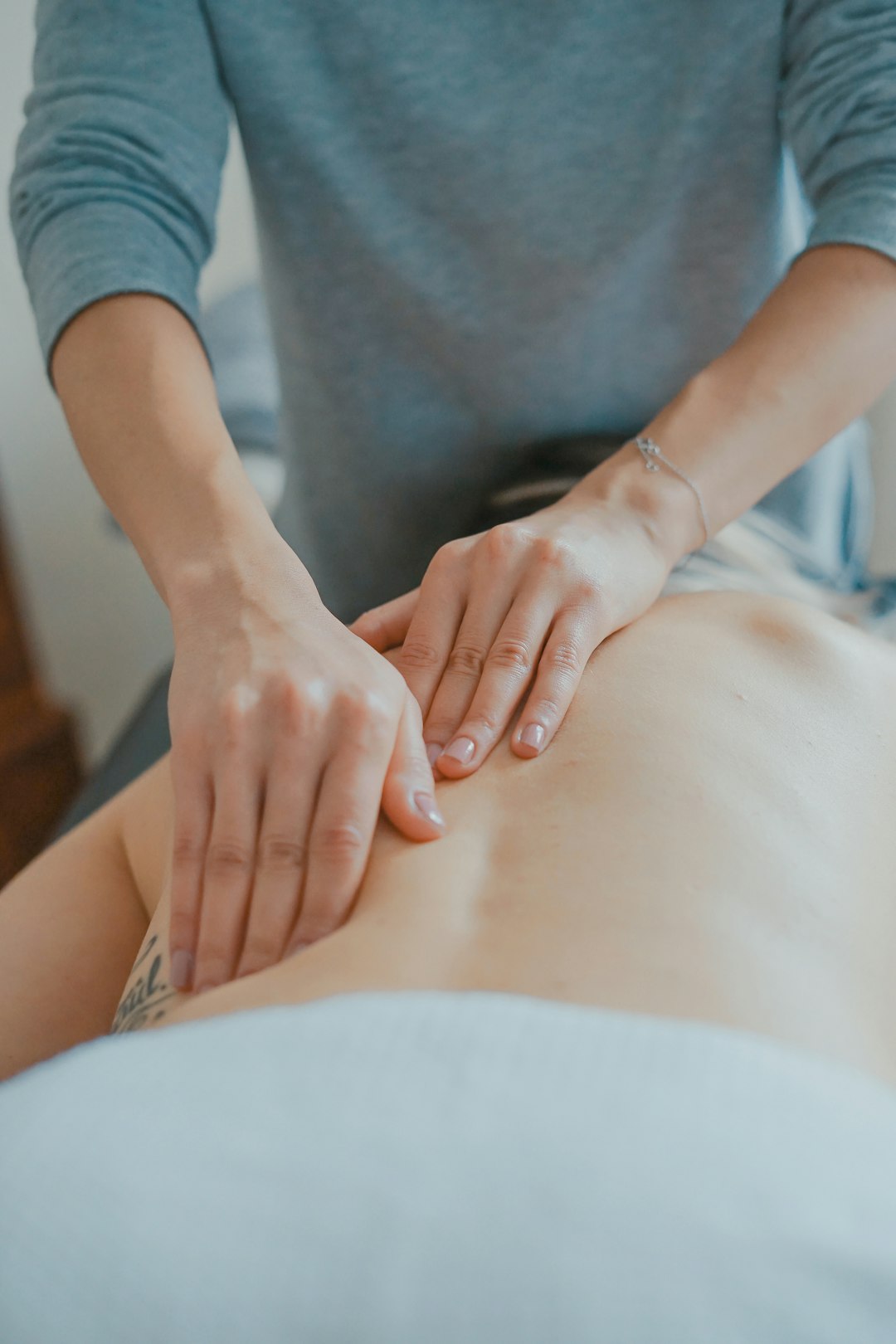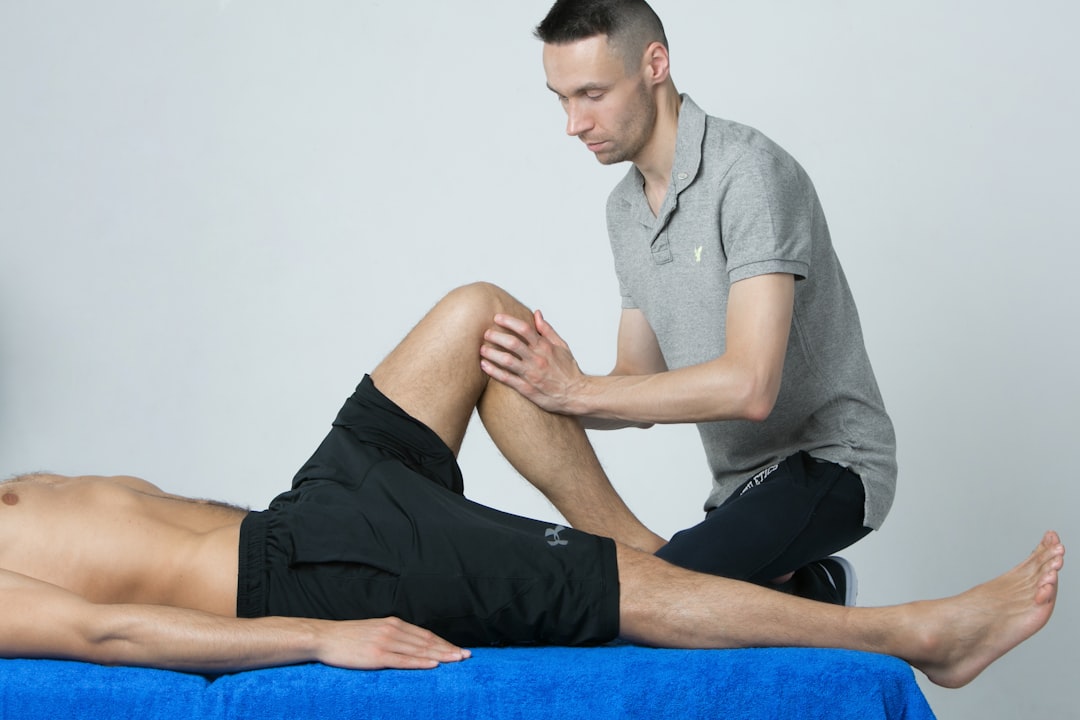

Occupational performance describes the relationship between your abilities, the task and the setting in which it takes place. A therapist may observe grip, coordination, joint movement, concentration, fatigue and the order in which you complete a task. The assessment could reveal that a heavy saucepan is the main obstacle, rather than a lack of general strength. Desk height, poor lighting, clutter or an item stored below waist level can also change how much effort an activity demands. The useful question is not simply what hurts, but what the problem prevents you from doing.
A graded approach can help rebuild tolerance without making every activity an all-or-nothing test. Someone recovering from shoulder pain might begin by placing light containers on a low shelf, then practise reaching to shoulder height before attempting an overhead cupboard. The therapist can note movement quality, symptoms during the task and how the person feels later that day. Pacing is part of the plan as well. Alternating demanding jobs with easier ones may be more sustainable than working until fatigue or pain forces an abrupt stop. A short record of activity and response can reveal patterns that memory misses.
Consider a parent who can walk through the house but cannot manage school mornings after illness. General fitness may not restore a routine that involves showering, dressing children, preparing food and remembering bags at the door. An OT can break the sequence into steps and identify whether balance, memory, fatigue or the layout of the room is causing difficulty. A shower seat, a basket kept within easy reach or a written sequence beside the front door may reduce unnecessary effort. Checking the morning plan the night before can also prevent repeated trips upstairs and make the next day more predictable.
Ergonomics concerns the fit between a person, their equipment and the task. A laptop used on a low table may encourage a bent neck and raised shoulders, while a frequently used tool positioned too far away can increase strain on the wrist. Practical changes may include raising the work surface, moving objects closer, supporting the forearms or varying posture during the day. These adjustments should suit the activity rather than impose one fixed position. Proprioception, the body’s sense of joint position and movement, may also be affected after injury, so controlled practice can help a person judge reach, pressure and balance more accurately.
Treatment is individual because the same symptom can disrupt different occupations. Hand pain may call for advice about splint use, grip changes and reducing force during household tasks. Neurological changes may make transfers, sequencing or kitchen safety the priority. A home visit can be useful if the difficulty appears only in the person’s own bathroom, kitchen or hallway. People researching OT central coast options may also encounter physiotherapy services. The professions can address different parts of one goal, such as returning to work, preparing a meal or moving safely around the home.
Progress is best judged by function as well as symptoms. A person who avoided the kitchen might first prepare one simple meal, using planned rests and lighter equipment, then build towards a fuller routine. Someone returning to office duties could test a short session at a rearranged workstation and review the response before extending it. Keep notes on the task, duration, discomfort and recovery time, and take that record to review appointments. Seek professional advice if weakness, dizziness, loss of function or pain is worsening. A central coast physiotherapy service may be considered alongside occupational therapy where movement or pain is limiting progress.