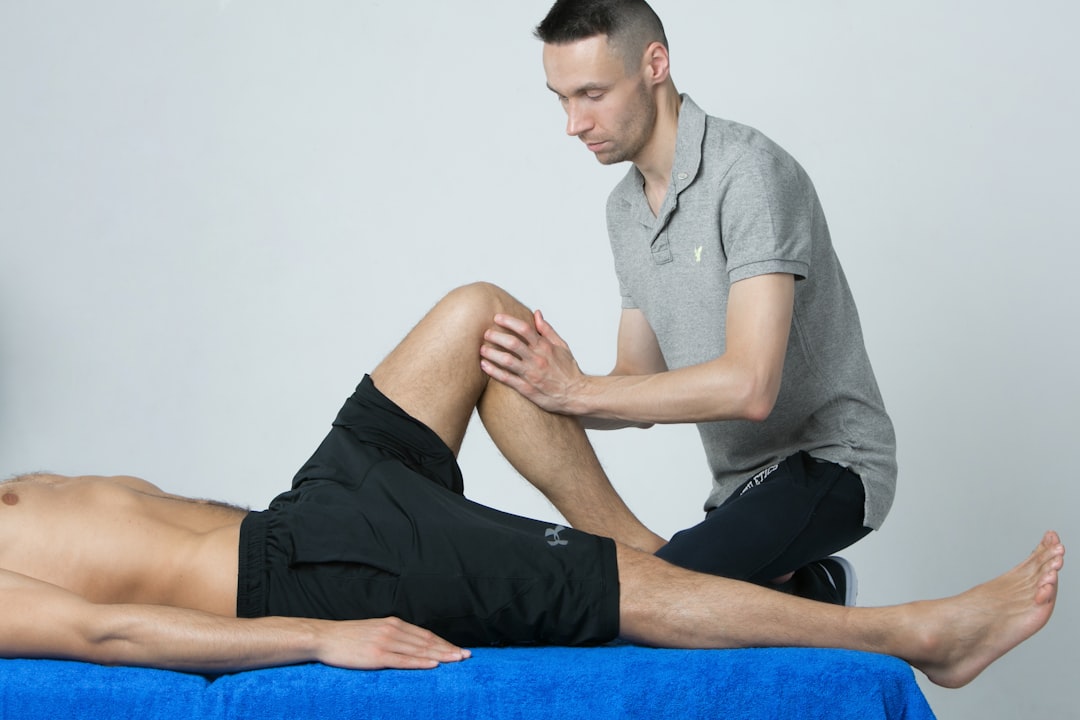

An initial consultation generally involves questions about when symptoms began, what aggravates them, previous injuries, and your work or exercise demands. The physical examination may check range of motion, muscle strength, joint movement, balance, walking pattern, and tenderness. A neurological screen tests sensation, reflexes, and muscle control when back or neck symptoms might involve a nerve. These checks help distinguish, for example, a stiff hip from pain referred from the lower back. You can ask what the clinician suspects, what remains uncertain, and which findings would change the treatment plan.
Common problems treated in general physiotherapy include sprains, muscle strains, persistent joint pain, tendon irritation, and activity-related back or neck pain. Tendons connect muscle to bone and usually respond to a gradual increase in load, rather than complete rest indefinitely. For example, someone with heel pain who suddenly adds hills to a running routine may need temporary changes to distance and pace, followed by progressive calf and foot strengthening. Pain is useful information, but its intensity does not always measure tissue damage, so decisions should consider function, recovery after activity, and the overall pattern.
Treatment can include a home exercise programme, education about activity, hands-on techniques, taping, or advice about pacing. Exercise often provides the longer-term benefit because it helps restore strength, capacity, and confidence, but it requires regular effort between appointments. Manual therapy may ease movement or symptoms in the short term, although it should not be presented as a replacement for rebuilding capacity. If a proposed exercise makes symptoms steadily worse, discuss its dose rather than abandoning rehabilitation immediately. Sets, repetitions, frequency, and progression can usually be adjusted to suit work and family commitments.
Foot and lower-limb complaints are not always caused by the foot alone. A change in ankle movement can alter how the knee and hip share load, while reduced proprioception, meaning awareness of joint position, can contribute to repeated ankle rolling. A warehouse worker who feels unstable on uneven flooring may need balance drills alongside calf and hip strengthening, not just massage around the sore ankle. Footwear, training surfaces, recent changes in workload, and recovery time are also relevant. Advice should fit your actual environment, since an ideal plan that cannot be followed is of limited use.
When comparing options, consider location, appointment availability, communication, and whether the clinician explains the reasoning behind each recommendation. A conveniently located physio footscray service may be easier to attend consistently, but convenience should not replace clear assessment and review. Ask about fees, cancellation terms, private health insurance eligibility, and what happens if progress stalls. Health fund rules differ, so confirm your cover before relying on a rebate. You should also be comfortable asking whether another professional or imaging is warranted, rather than assuming every problem needs the same approach.
Progress is usually judged by useful changes, such as walking further, lifting with less restriction, sleeping better, or returning to training with a planned increase. A review can test whether strength, range of motion, balance, or nerve-related signs have changed and can refine the programme. Seek prompt medical advice for serious or rapidly worsening symptoms, marked weakness, loss of bladder or bowel control, unexplained fever, or significant trauma. For less urgent concerns, a local physiotherapy clinic can be one option for assessment, provided the plan remains practical, measurable, and open to revision.