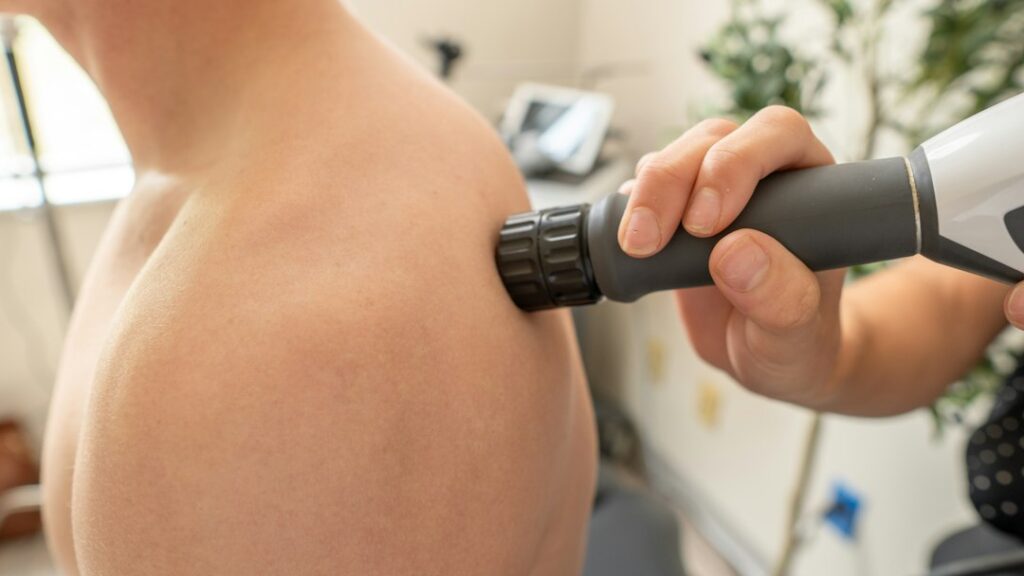

Your first visit should feel like a conversation as well as a physical check. Explain whether the pain is sharp, aching, intermittent, or present at rest, and mention any previous injury, operation, medical condition, or medication that could matter. A physiotherapist uses this information to form a working clinical impression, which is an evidence informed explanation of the symptoms rather than a rushed label. They should also discuss what treatment can and cannot reasonably address. If symptoms suggest a problem outside routine musculoskeletal care, referral to a GP or another health professional may be appropriate.
Treatment is then matched to your findings and your routine. Manual therapy may include hands on techniques intended to improve comfortable movement, while exercise therapy uses controlled movements to build capacity. Mobility refers to how freely a joint or body region can move; strength describes the force your muscles can produce. Neither needs to be forced. For example, someone with a stiff ankle after a sprain might begin with gentle range of movement work before progressing to calf raises and balance practice. The aim is useful movement that can be repeated safely, not discomfort for its own sake.
A practical plan also considers load, meaning the amount of stress placed on a body part through work, sport, commuting, or household tasks. Pain after increasing your running from two sessions to five may reflect a mismatch between current capacity and recent demand, even when no single step caused an injury. Your physiotherapist may suggest temporarily adjusting distance, pace, lifting technique, or rest periods while maintaining suitable activity. This is not necessarily complete rest. Gradual loading can help tissues and the nervous system become more tolerant, provided the response is monitored and the plan is adjusted when needed.
Home exercises work best when they fit real life. A programme might involve a few carefully chosen movements rather than a long list, with instructions about technique, repetitions, frequency, and what response to watch for. Consider a retail worker with heel pain who stands most of the day. Their plan may need to account for footwear, shift length, floor surfaces, and opportunities to sit, not just isolated calf exercises. Keeping brief notes about symptoms and activities can reveal patterns and give your next appointment more useful information than memory alone.
Good physiotherapy also recognises that pain is not a perfect measurement of tissue damage. The nervous system can become more protective after an injury, stress, poor sleep, or a long period of guarding movement. This does not mean the pain is imaginary. It means education, confidence, pacing, and gradual exposure may belong alongside hands on treatment and exercise. Clear advice about warning signs matters too. New numbness, marked weakness, unexplained fever, serious trauma, or rapidly worsening symptoms warrant prompt medical assessment rather than relying solely on routine rehabilitation.
Before booking, check whether the clinic location, appointment times, accessibility, and approach suit you. Ask how the assessment will be structured, whether you should bring reports or imaging, and how progress will be reviewed. Imaging is not automatically needed for every muscle or joint complaint, so a clinician may recommend it only when it is likely to change management. If you are considering a local physiotherapy clinic, also ask how fees, cancellations, referrals, and private health insurance claiming are handled. The right service should leave you with understandable next steps, realistic expectations, and a plan you can use between appointments.