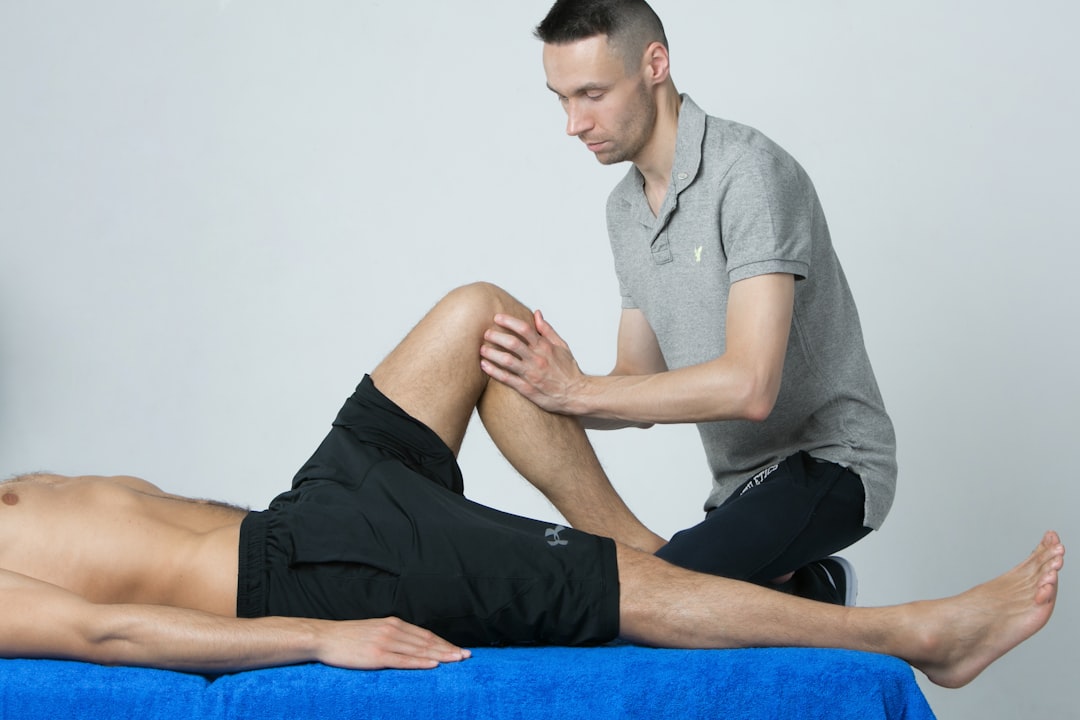

A sound session should begin with an assessment rather than a routine sequence of strokes. The practitioner may ask when symptoms started, what aggravates them and whether sleep, work or exercise is affected. They may also observe posture and compare movement on each side. Range of motion means how far a joint can move comfortably, while muscle guarding describes involuntary tightening around a painful area. These details help guide pressure and positioning. If you are looking for remedial massage werribee, expect the conversation before the hands-on work to be part of the treatment, not an unnecessary delay.
Practitioners often discuss trigger points, which are irritable spots within a tight band of muscle that can produce pain nearby or elsewhere. Another useful term is fascia, the thin connective tissue surrounding and linking muscles; when it becomes less mobile, movement can feel restricted, although it is rarely the only explanation. Proprioception is your body’s awareness of joint position, and it matters when an injury has made movement cautious or uncoordinated. Explaining these concepts in plain English is important because technical language should support your choices, not make the session sound more mysterious than it is.
Consider a recreational runner who develops calf tightness after increasing hills. Firm work may ease tenderness temporarily, but the session should also explore training load, ankle movement and recovery habits. A different example is an office worker with recurring headaches and upper shoulder tension. Massage may reduce muscle sensitivity, yet prolonged screen posture, poor breaks or jaw clenching could keep provoking the area. In both situations, treating the sore spot alone can miss the pattern. A thoughtful practitioner looks for contributing factors while staying within the scope of massage treatment.
Pressure is not a measure of quality. Excessively forceful work can leave someone bruised, guarded or more uncomfortable, particularly when an area is already irritated. Effective remedial treatment may include slower compression, cross-fibre work, assisted movement or gentle stretching, depending on the assessment and the person’s tolerance. Communication should be direct: tell the practitioner if pressure feels sharp, burning, numb or simply too much. Mild tenderness afterwards can occur, but escalating pain is not a badge of progress. The aim is useful change, not enduring discomfort to prove commitment.
There are situations where massage should be postponed or discussed with a doctor or another qualified health professional. New unexplained swelling, significant bruising, fever, loss of strength, progressive numbness or severe pain needs proper assessment rather than hands-on treatment. Recent surgery, an acute injury, skin infection or some medical conditions may also require specific precautions. This does not mean every ache is alarming. It means a responsible practitioner takes a clear history and refers on when the presentation falls outside their role. That safety check is one of the strongest signs of professional care.
After a session, pay attention to practical changes rather than expecting an instant cure. Can you turn your head more easily, walk with less hesitation or complete a normal task with reduced discomfort? Follow-up may involve adjusting activity, taking regular movement breaks or discussing exercises with an appropriate clinician. Keep notes on what improves symptoms and what brings them back. For people seeking broader werribee rehabilitation services, massage can be one part of a sensible plan, provided its role is clear. Good care should leave you better informed, not dependent on repeated treatment without progress.