
A scan is not always the first step toward useful care. Imaging can be appropriate after a significant injury or when examination findings raise a specific concern, but pictures do not show the whole functional problem. A clinician may assess comfortable range of motion, compare strength on both sides, and observe how the shoulder blade moves as the arm lifts. The rotator cuff is a group of muscles and tendons that helps control the upper arm. It can be painful while still functioning, so treatment should reflect symptoms, examination findings, and personal goals rather than an image alone.
Pain felt around the shoulder can sometimes originate in the neck. Referred pain means discomfort is experienced in one region even though the irritated tissue is elsewhere. If turning your head changes the arm symptoms, or tingling travels toward the hand, an assessment may include neck movement, sensation, reflexes, and nerve-related strength checks. A practitioner may also ask whether symptoms are constant or affected by posture. This broader check does not dismiss the shoulder. It tests competing explanations and can change which exercises, precautions, or medical referrals are appropriate.
Complete rest often sounds sensible after a painful flare, yet avoiding all shoulder movement can leave the joint stiffer and the person less confident. Early rehabilitation may use comfortable reaches, supported arm lifts, or gentle isometric work, where muscles contract without much joint movement. Resistance and range can then increase as tolerance improves. Someone who stopped swimming might begin with controlled overhead motion, add light resistance, and later reintroduce strokes in shorter sessions. A simple note of exercise, pain during activity, and next-morning response can make progression easier to judge.
Load management means matching current activity to present capacity, then increasing demand in measured steps. A warehouse employee with pain after repeated overhead lifting might temporarily vary tasks, reduce unnecessary reaches, and build pulling and pressing strength under guidance. A recreational tennis player may need fewer serves per session before restoring speed and volume. Tendinopathy describes a painful tendon response that can be associated with changing or repeated loads; it is not simply a condition treated by eliminating all inflammation. Symptoms later that day and the following morning offer useful feedback about whether the latest increase was reasonable.
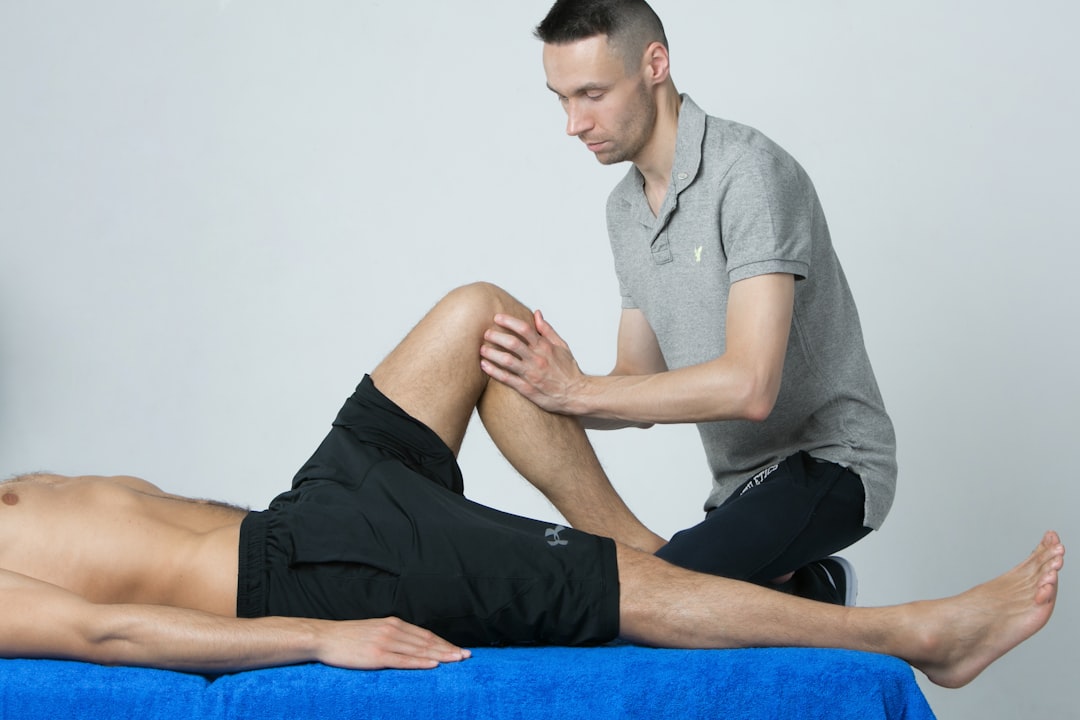
Hands-on treatment, dry needling, and taping may have a place in care, particularly if short-term relief makes exercise easier, but none should replace active rehabilitation. A practitioner should explain the purpose of each technique, what improvement to expect, and its limits. Strength and conditioning may suit an athlete preparing to resume training, while general fitness guidance may help someone rebuild overall fitness alongside shoulder work. Sharing prior injuries, medication, and actual weekly activities before an appointment can prevent a plan that looks suitable on paper but does not fit daily life.
Prompt medical advice is appropriate after a major injury, visible deformity, sudden substantial weakness, fever, unexplained weight loss, or chest-related symptoms. For less urgent problems, persistent pain, worsening function, or repeated sleep disruption justify an assessment rather than weeks of guesswork. The practitioner may ask you to demonstrate a troublesome task, such as fastening a seat belt or placing a plate on a shelf, because useful goals can be more informative than a pain score alone. Recovery can vary from week to week, so progress is better judged by movement, strength, sleep, and confidence with meaningful tasks.