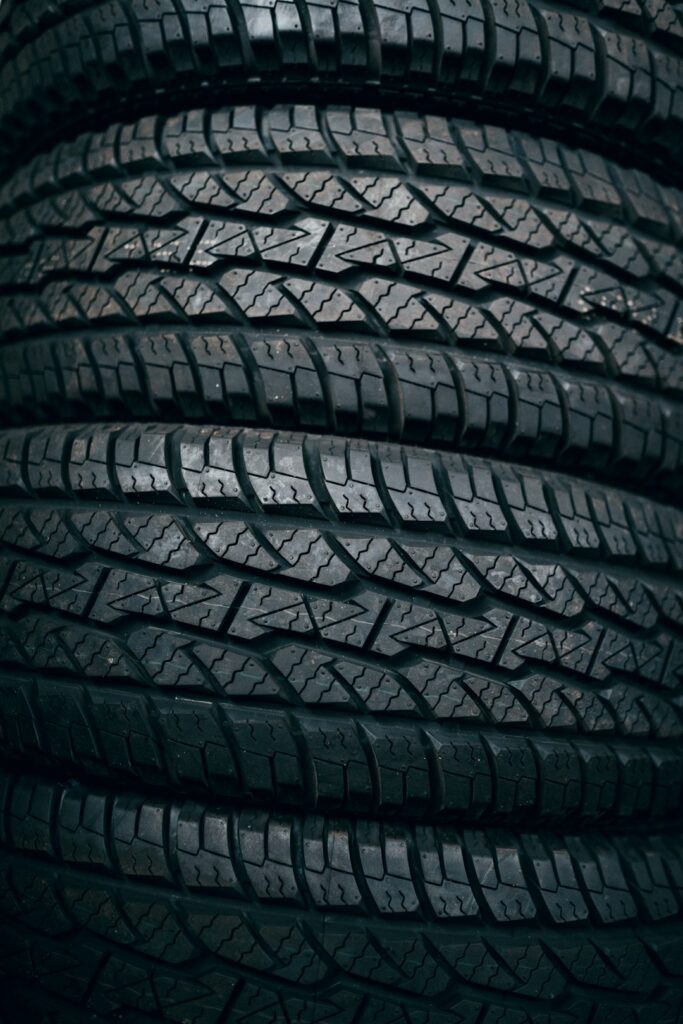

A common error is choosing standard tyres without matching them to the terrain. For example, using all-terrain tyres on a muddy site might seem logical, but if the tread isn’t designed for mud, the machine can get stuck easily. Mud-specific tyres provide deeper lugs and wider gaps to shed dirt, which keeps the loader moving and cuts downtime.
Maintenance is often overlooked. Regularly inspecting tyre pressure and tread wear makes a big difference. Low pressure increases rolling resistance, hurting fuel economy and wearing tyres unevenly. Checking pressure weekly and measuring tread depth before shifts keeps the loader responsive and extends tyre life.
Different tyre types suit different jobs. Solid rubber tyres resist punctures and last longer in urban sites littered with nails and glass. They’re tough but can make rides harsher. Pneumatic tyres absorb shocks better and grip loose surfaces well, but they need frequent air checks to avoid flats that halt work.
The choice between radial and bias-ply tyres affects performance. Radial tyres bend more, improving traction and reducing fuel use. Bias-ply tyres tend to be cheaper but have stiffer sidewalls that can make handling rougher. Operators should match tyre type to their workload rather than defaulting to the lowest price.
When buying new tyres, local advice is invaluable. Tyre dealers familiar with local conditions can recommend brands and models that fit your skid steer perfectly. They can also advise on balancing cost with durability. You might find great deals on skid steer tyres designed for your exact needs.
Replacing or upgrading tyres is the right time to consult professionals who understand your operation’s demands. They can assess your current setup and suggest improvements that enhance performance and reduce wear. You can talk to local tyre advisors ready to help you make smart choices.
Tyre selection impacts more than just machine movement; it affects how quickly and safely jobs get done. Operators who spend time learning about tyre types, maintenance routines, and terrain-specific options avoid breakdowns and keep projects on track. Checking tyre condition daily and keeping records of replacements are small habits that prevent surprises on site.