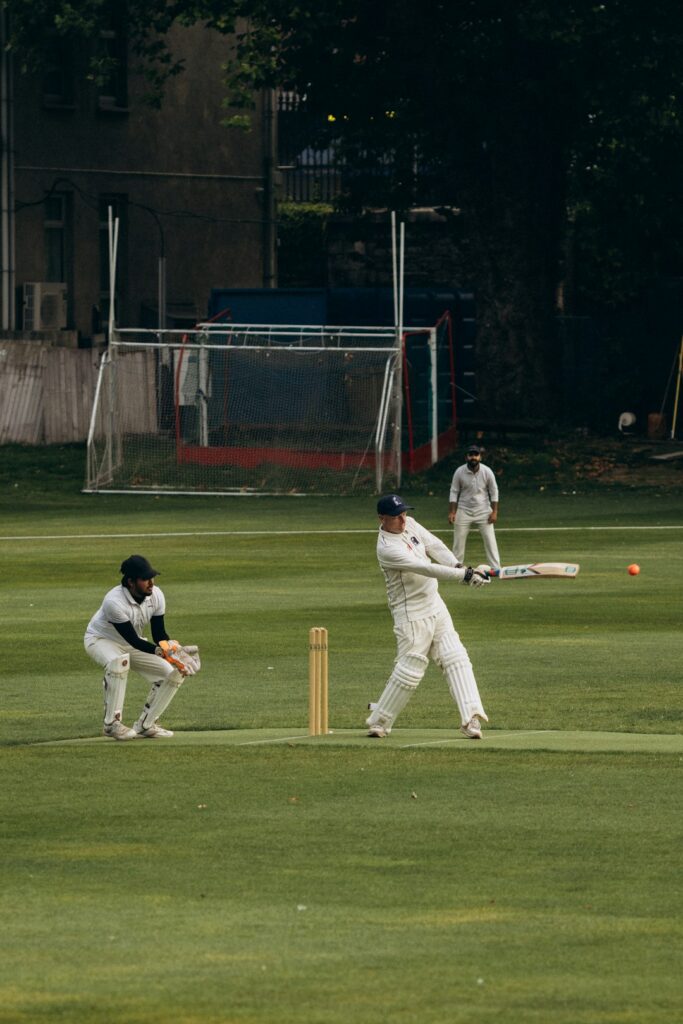

A cricket bay is a defined practice lane for the batter, bowler, and surrounding netting. More bays can support larger groups, but they also require sensible separation so balls, bats, and players do not cross into neighboring lanes. Consider the pitch direction as well as its length. A wall, pillar, doorway, or folded divider may restrict a bowler’s run-up or make supervision awkward. For example, a school serving several classes might favor multiple compact lanes for rotation, while a club focused on specialist batting could prefer fewer bays with more generous approach space. The right choice depends on coaching patterns, attendance, and how often the hall changes use.
Netting should be specified as a complete containment arrangement, not just as a hanging curtain. Mesh size describes the openings between strands, while tension affects how consistently the material hangs and responds to impact. Side curtains, roof netting, and end protection have different jobs. Roof coverage can help contain lofted shots, and an end net can protect a wall behind the batter or bowler. A finer mesh may offer greater containment for some uses, whereas a more open mesh can preserve visibility and airflow. Ask how the proposed design treats corners, joins, openings, and edges, since small gaps can undermine an otherwise carefully planned bay.
Many indoor systems use a trackway, meaning a fixed rail that allows curtains to open, close, or stack when another activity needs the floor. Track position must be checked against lighting rigs, basketball equipment, folding partitions, and doors. A ceiling-mounted system can keep the floor clear, but the building may need suitable fixing points. Where overhead support is unsuitable, framed or alternative arrangements may be considered. Before approving a design, ask what preparation the building needs, how installers will access the ceiling, and how staff will operate the curtains. When the nets are stored, emergency routes and everyday hall circulation should remain unobstructed.
The floor deserves as much attention as the containment system. Roll-out cricket matting may provide a more consistent batting and bowling surface than a bare multipurpose floor while allowing the hall to change activities later. Confirm how the mat is secured during play, where it will be stored, and how its edges meet the surrounding floor. Bowlers need a clear approach and a stable landing area, particularly when sessions are frequent. Hard walls near the ball path may need added protection, and nearby equipment should not create unexpected rebound or trip risks. These decisions influence comfort, noise, cleaning, maintenance, and the useful life of the installation.
Consider a hypothetical community hall that hosts cricket on Tuesday evenings and indoor soccer at weekends. It might need curtains that stack tightly at one end, matting that rolls away, and storage bags that keep folded netting clean and organized. A school with permanent cricket sessions might leave its bays in place and prioritize quick access between lessons. In either setting, staff should inspect loose fixings, damaged mesh, worn runners, and trip hazards at suitable intervals. Keep a simple inspection record and take damaged sections out of use until they have been assessed. Dry, orderly storage also limits avoidable wear when the system is folded away.
Before requesting a quotation, prepare room measurements, photographs of the ceiling and walls, the proposed number of lanes, the preferred pitch direction, and details of other activities in the hall. Ask whether the price covers supply, installation, access equipment, and removal or adaptation of existing trackways. For an aging system, replacement netting for repairs may be more sensible than a full redesign, but that depends on the condition of the rails, fixings, and surrounding protection. A site review can clarify the scope, operating arrangements, storage needs, and timetable for returning the hall to normal use.