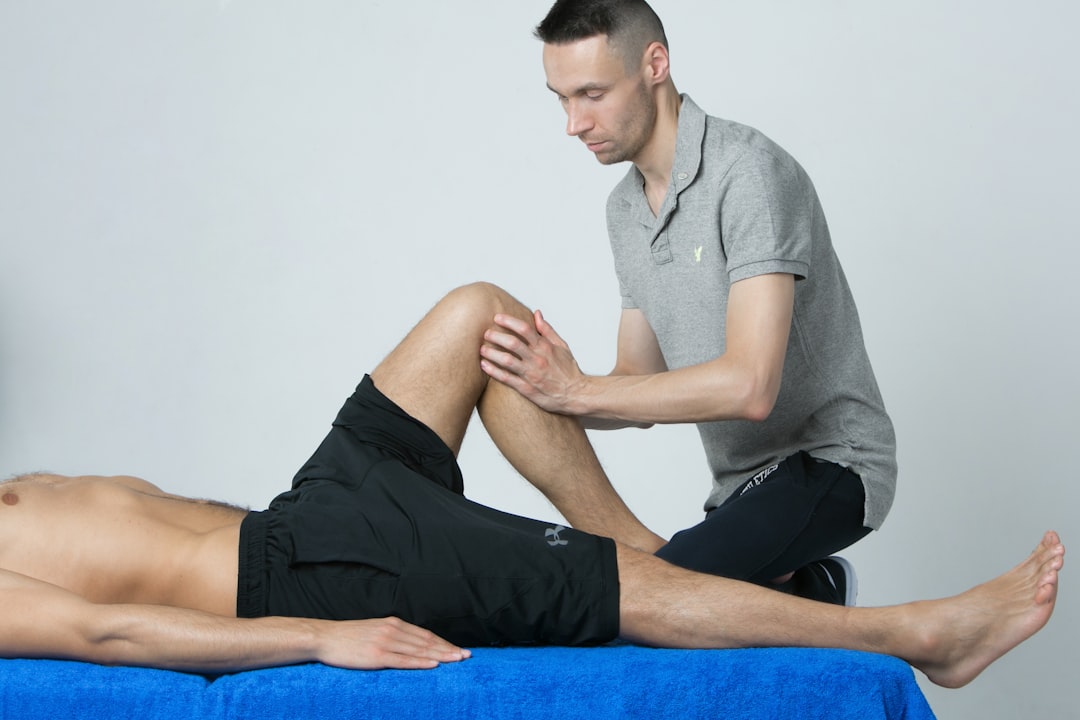
The process starts with a thorough assessment by a physiotherapist. They’ll look over your medical history, examine your posture and movement, and ask about your daily habits. For example, if you spend hours sitting at a desk, poor posture might be contributing to your discomfort. This detailed evaluation ensures the treatment plan fits exactly what you need.
After assessing, the physiotherapist will recommend specific treatments to improve your movement and reduce pain. This often involves targeted exercises to strengthen weak muscles or stretch tight ones. Say your hamstrings are tight, that will be addressed with particular stretches. Some exercises might need supervision during clinic visits, while others are designed for you to do at home, making it easier to maintain progress.
Hands-on techniques like manual therapy are often part of the plan. This means the physiotherapist uses their hands to ease muscle and joint tension, which can be especially helpful if you’ve had ongoing pain. You’ll also get practical advice on things like lifting properly or adjusting your posture, which can stop injuries before they start.
For certain cases, methods such as dry needling or shockwave therapy might be added. Dry needling targets tight muscle knots to release tension and support healing. Shockwave therapy sends sound waves into the tissue to boost blood flow and repair. These treatments aren’t for everyone but can be effective when combined with exercise and manual approaches.
The care plan isn’t set in stone. It changes based on how you respond and what feedback you give. Regular check-ins let your physiotherapist tweak exercises or techniques if something is too hard or new symptoms pop up. A good habit is keeping notes on how you feel after sessions or home workouts to share during follow-ups.
Sticking with the plan is critical. Doing your exercises consistently and showing up for appointments directly affects recovery speed and quality. Patients who take an active role often notice better outcomes and feel more in control of their progress.
If you’re dealing with persistent physical issues, a well-organised care plan could help restore your mobility and improve daily life. To see what a tailored approach looks like, talk to a professional about a care plan physiotherapy designed around your needs.
You don’t have to manage pain alone. Support from experienced practitioners can change how you move and feel. For more information about available therapies and treatments, options for managing musculoskeletal pain are waiting for you.