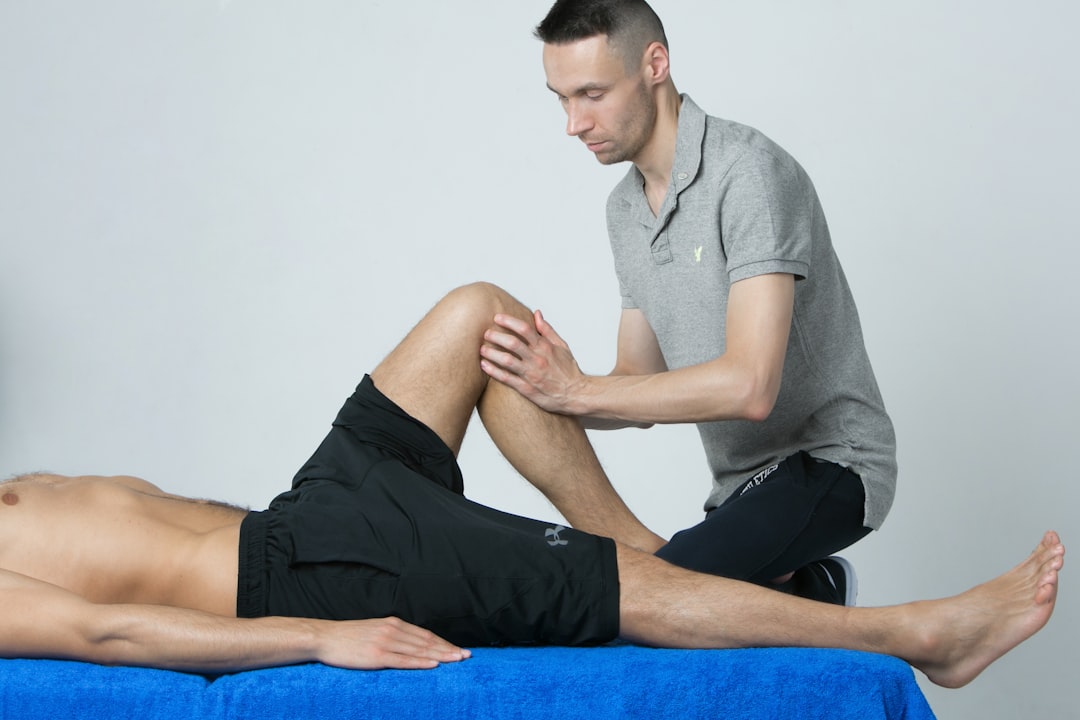

The phrase trigger point usually refers to a tender, tense area within a muscle that can hurt when pressed or send discomfort to another location. For example, an upper back muscle may contribute to pain felt around the shoulder. Referred pain can make self-diagnosis unreliable, since the sorest spot is not always the place that needs treatment. During an appointment, ask which muscle the physiotherapist is considering, what examination finding supports that decision and how improvement will be assessed. If you are researching dry needling falcon, these questions are more useful than focusing only on the needle itself.
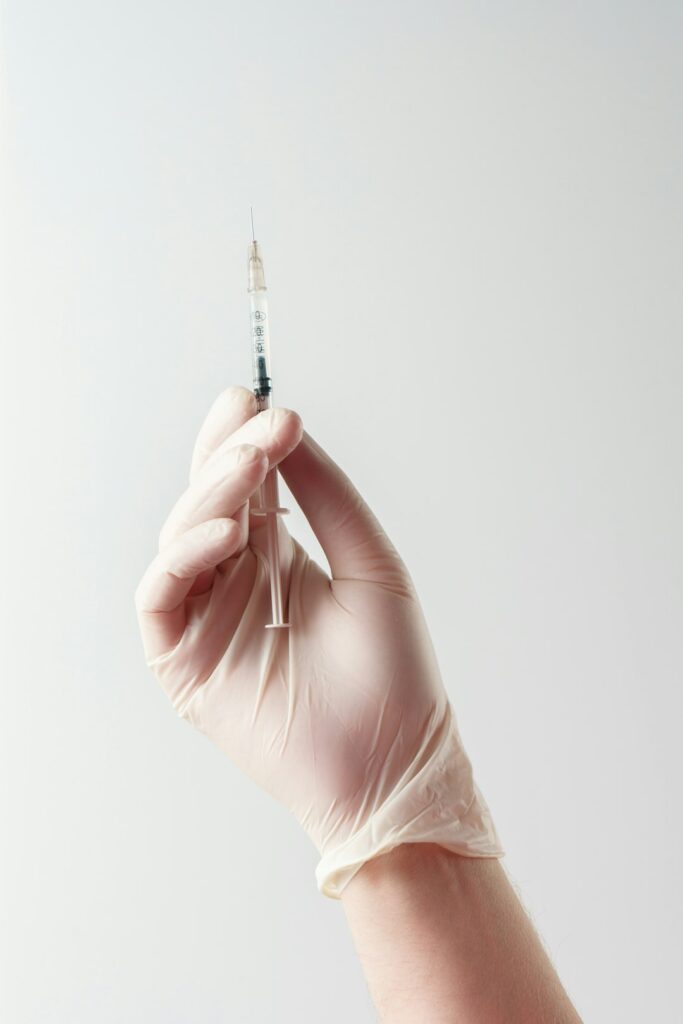
Treatment may involve inserting a needle into or close to the relevant muscle, depending on the examination and the practitioner’s technique. Some people feel a brief twitch, cramp-like sensation, dull ache or small electric flick. Others notice almost nothing. A local twitch response is an involuntary tightening and release of muscle fibres, not a guarantee that the treatment will help. A session can also be reasonable without producing one. The physiotherapist may describe neuromuscular stimulation, meaning an input to muscle and nerve tissue that could influence sensitivity or movement temporarily. Such terminology should not be treated as proof of a permanent correction.
Dry needling generally makes more sense as one part of rehabilitation than as a stand-alone answer. A recreational tennis player with a tight calf might move more freely after treatment but still need gradual loading before returning to repeated running and serving. Someone who works at a laptop may feel less neck tension yet still need movement breaks, postural variety and strengthening. The next day or two can provide useful information: note whether movement feels easier, whether soreness interferes with normal activity and whether the original symptoms return. That record helps the physiotherapist repeat, modify or discontinue the technique rather than scheduling sessions automatically.
Needle anxiety is a valid reason to slow the process down. You can ask to see the sealed equipment, agree on a pause signal and start with movement testing, exercise or hands-on treatment instead. Before needling, the clinician should explain the expected sensation, possible minor effects, alternatives and what you can do if you change your mind. Temporary soreness, bruising or mild fatigue can occur. A practical habit is to mention every medication on your current list rather than relying on memory, particularly blood-thinning medicine. Tell the physiotherapist about a bleeding disorder, pregnancy, feeling unwell or an infection near the proposed area.
Safe treatment depends on appropriate screening, clean handling, sound knowledge of anatomy and clear consent. Needles should be sterile and single use, with disposal arranged through the clinic’s normal sharps process. The practitioner should also consider whether the proposed area is suitable and explain any reason to avoid it. Ask what activities are sensible after the appointment, especially if you have a physical job, a training session planned or a long drive home. No treatment is risk free, even when the technique is performed carefully. Your questions should be answered before the needle is opened, not while you are already on the treatment table.
Some symptoms should not be treated as an ordinary muscle problem. Seek prompt medical advice for sudden severe or unexplained pain, chest pain, marked weakness, loss of bladder or bowel control, fever with severe pain or swelling that is increasing quickly. A physiotherapy assessment may be appropriate for a familiar musculoskeletal complaint, but it should not delay medical review of warning signs. If the presentation is suitable for conservative care, you can read about the technique through physiotherapy care for muscle pain and bring specific questions to the consultation. Online information cannot determine whether a needle is appropriate for your particular symptoms.
Before agreeing to a course, ask what change would count as meaningful, how progress will be measured and when exercise should begin or increase. It is reasonable to ask how many sessions might be considered, although a responsible clinician cannot promise an exact number before seeing your response. Ask what the plan is if the first session does not help, causes troublesome soreness or improves symptoms only briefly. A review point prevents treatment from becoming a series of automatic repeat visits. The right decision depends on the examination, your preferences, your tolerance for the technique and the broader plan for restoring strength and normal activity.