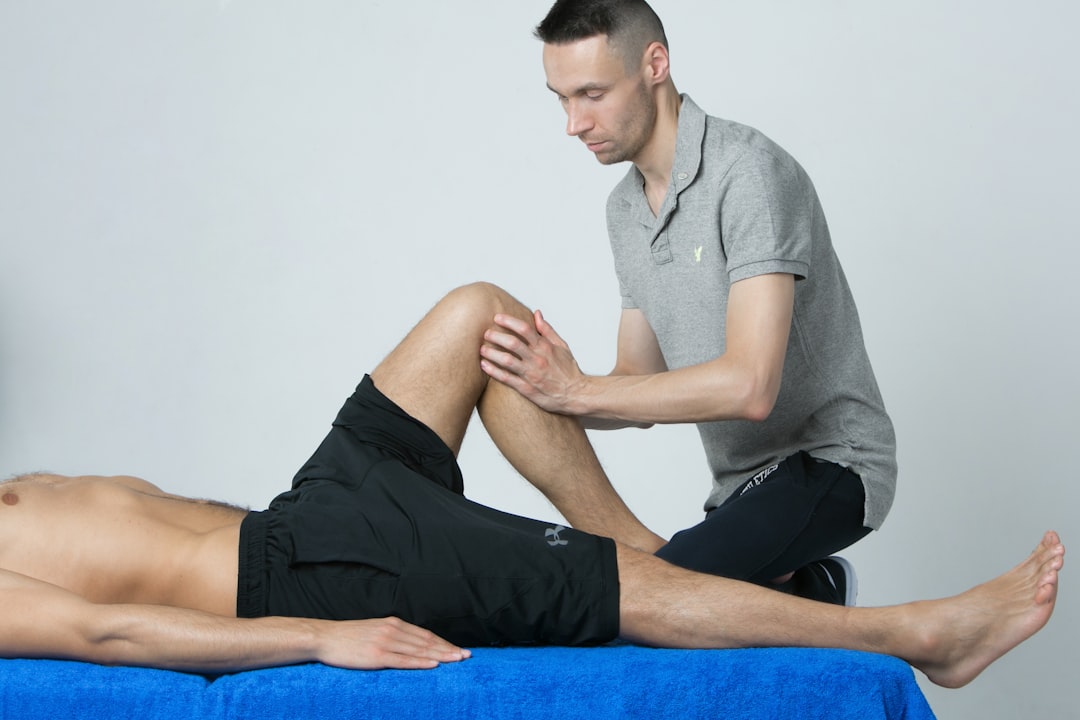

Physiotherapy for the neck includes several hands-on techniques and exercises tailored by a trained therapist after a thorough assessment. They often use manual therapy to ease tight muscles and joint stiffness, followed by targeted exercises that improve strength and flexibility. Teaching proper posture and ergonomics is part of the process, helping patients avoid habits that contribute to strain. Patients often find that learning to manage their own care reduces flare-ups and speeds recovery.
A frequent misconception is that physiotherapy is only for injuries. In truth, it’s just as valuable for prevention. People who spend long hours sitting, especially at computers, are prone to developing neck problems. Regular physiotherapy sessions can catch early signs of tension or weakness before they become severe. Simple daily stretching and strengthening exercises recommended by the therapist can maintain spinal health and reduce the chance of chronic pain.
Dry needling is another tool some therapists use. This technique inserts fine needles into tight muscle knots known as trigger points to release tension and improve blood flow. Patients often report feeling looser and more mobile after a few sessions. While it might sound intimidating, dry needling is generally well tolerated and can offer relief when other methods fall short.
Strengthening the muscles around the cervical spine is a key part of rehabilitation. Exercises using resistance bands or light weights build endurance in the neck and upper back muscles. This support reduces strain during everyday tasks like carrying groceries or looking down at a phone. Improved muscle control also helps maintain better posture, which many patients notice leads to less neck discomfort throughout the day.
The GLA:D program, standing for Good Life with osteoarthritis: Denmark, is sometimes integrated into physiotherapy for those with joint wear issues. It focuses on teaching exercises and lifestyle adjustments that help manage osteoarthritis symptoms over time. Patients who follow such structured programs often gain confidence in managing their condition independently.
If you’re looking for options like neck physiotherapy near me, working with a qualified physiotherapist can provide personalized strategies that suit your situation. They’ll not only help ease pain but also guide you through exercises and habits that protect your neck long term.
For athletes or anyone wanting to boost fitness levels, combining strength and conditioning with physiotherapy can be very effective. These practices enhance physical resilience and reduce injury risk while improving overall performance. Whether recovering from an injury or aiming to push physical limits safely, integrating these approaches offers practical benefits. Find out more about tailored care options by visiting neck pain management programs.