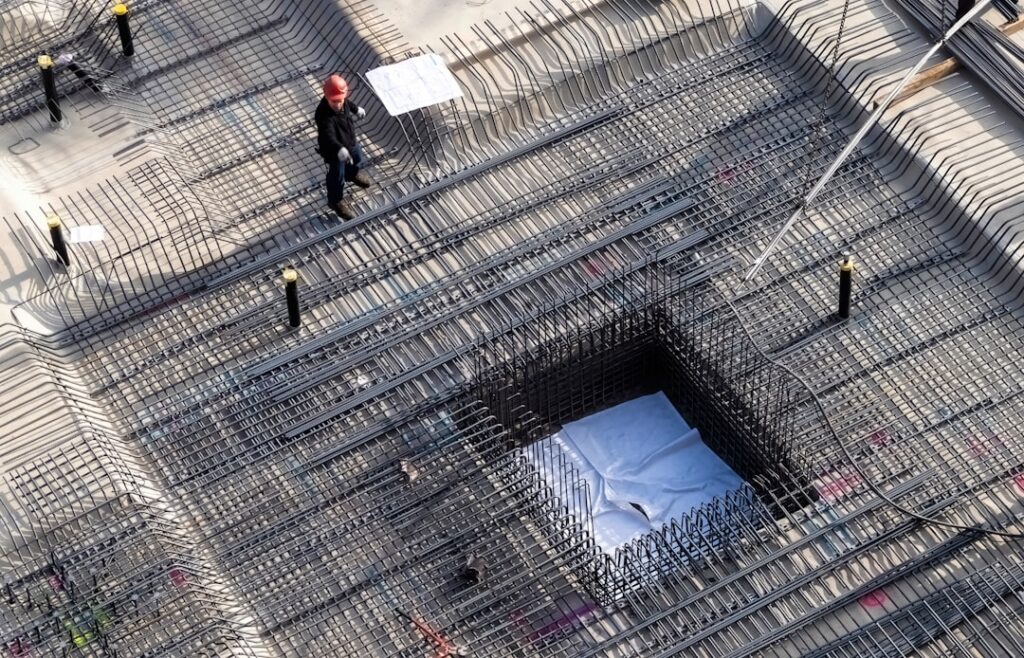

The application process of liquid waterproofing is straightforward but demands attention to detail. Surfaces must be clean and dry, and any cracks or holes need patching before the liquid membrane goes on. Contractors often perform a test patch first to check adhesion and coverage. Applying multiple coats is common to build up the thickness necessary for reliable protection. Unlike sheet membranes, the liquid forms a flexible layer that moves with the building materials, reducing the risk of cracking during temperature changes.
Flat roofs are a popular place to use liquid waterproofing. Businesses choose this method because it handles ponding water better than other systems, which helps avoid leaks and structural problems down the line. It’s not unusual for roofers to apply liquid membranes around drains and vents after installing flashing, making sure no weak spots remain. This type of waterproofing also resists UV exposure, so it won’t degrade quickly even when exposed to sunlight without extra coating.
Foundations and underground garages frequently suffer from water pressure pushing against their walls. Liquid waterproofing can form a barrier that resists this hydrostatic pressure, preventing water from seeping through concrete cracks or joints. Before applying, workers often check soil moisture levels and may install drainage systems to reduce water buildup around the structure. These steps are practical habits that limit long-term damage and keep repairs manageable.
Most liquid waterproofing products use polymer-based chemicals that offer both strong adhesion and flexibility. They can stretch slightly if the building shifts or settles, which is common over time. Unlike rigid sheets, these membranes don’t tear easily when handled on site, but installers still take care to avoid sharp objects during application. It’s typical for contractors to document each layer’s thickness and curing time in project logs to ensure consistent quality.
Comparing liquid waterproofing with traditional sheet membranes brings up trade-offs. Sheet membranes can be faster for small jobs where seams are easy to seal properly, but they don’t conform well to complex shapes or tight corners. Liquid solutions adapt better but require skillful application to avoid thin spots or bubbles. Some builders hesitate because they’re less familiar with liquid systems, but growing experience and improved formulations have made these products more reliable and durable.
Investing in liquid waterproofing means considering surface preparation, weather conditions during application, and maintenance after installation. Regular inspections are common practice; homeowners or managers look for signs of wear or damage, especially after storms. A small crack or blister spotted early can be repaired before it turns into a costly leak. Documentation such as product datasheets and application guides helps contractors and property owners understand the limits and care requirements for their particular system.
liquid waterproofing is gaining traction as more people see its practical benefits across various building types. From improving flat roof durability to protecting underground structures against water pressure, it offers flexibility that traditional methods often lack. When done right, it can extend the life of a property’s waterproofing layer by years.
For those wanting to explore maintenance strategies beyond waterproofing, building repair techniques covers practical tips and advice on keeping structures sound over time.