
Music therapy is a health practice where therapists use music purposefully to support mental and physical wellness. For people with disabilities, sessions are tailored to suit individual needs. Therapists might focus on improving fine motor skills through hand percussion exercises or boost attention span with musical games that encourage listening and memory. The key is creating an environment that feels enjoyable and non-threatening, so clients stay engaged and motivated.
Children on the autism spectrum often find social situations overwhelming. Therapists working with them might use familiar tunes to encourage interaction without pressure. For instance, singing parts of a favorite song or playing simple melodies allows the child to participate at their own pace. This approach helps build social confidence gradually, turning challenging moments into manageable, even fun interactions.
Older adults facing cognitive decline can also benefit from music therapy. Playing songs from their younger years can prompt memories and conversations that might otherwise remain locked away. These moments can lift mood and foster connection with caregivers or family members. Therapists often keep a log of each client’s musical preferences and responses, adapting sessions based on what sparks engagement or calms anxiety.
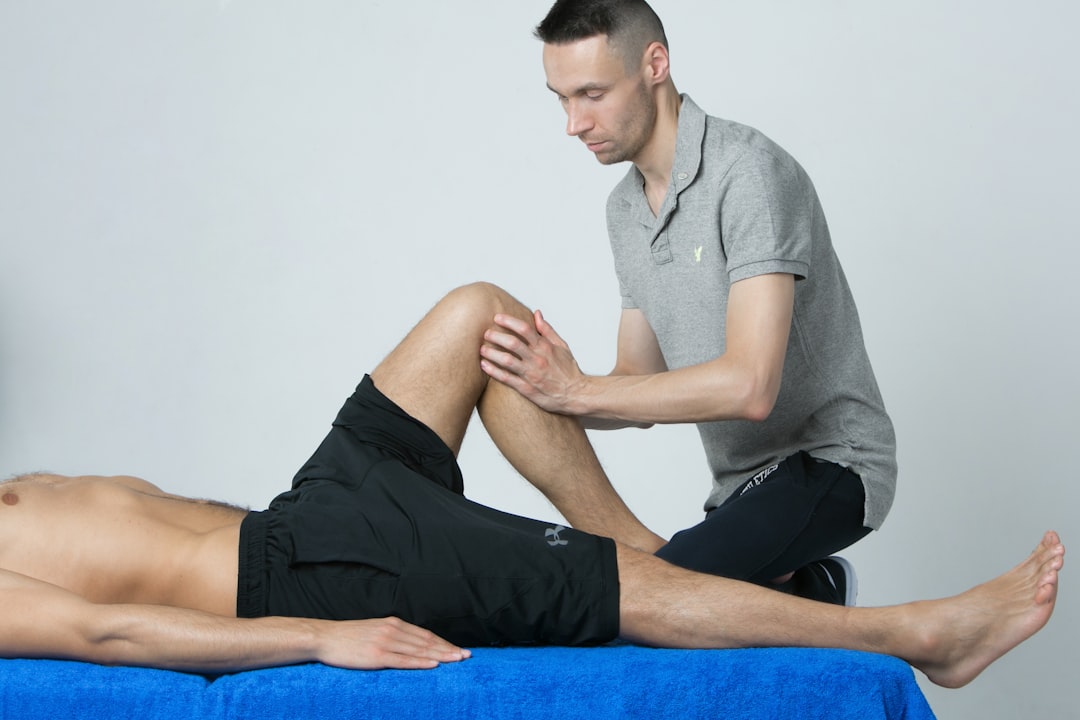
Physical rehabilitation is another area where music therapy offers practical benefits. Rhythmic auditory stimulation involves using beats to guide movement, helping stroke survivors or those recovering from injuries improve coordination and gait. Therapists often work alongside physiotherapists to align music tempos with rehabilitation goals, making exercises more enjoyable and less repetitive.
Being a registered NDIS provider means these music therapy services are accessible to people with disabilities across different ages and needs. Sessions accommodate varying abilities, adjusting instruments and activities to suit each person. Families often report noticeable improvements in communication or motor skills after consistent sessions, which can reduce caregiver stress and improve home life dynamics.
If you want to understand how these sessions work or explore options for yourself or someone you care about, you can visit music therapy for disability. Each person’s response to music is different, and therapists take time to tailor approaches accordingly.
With support from trained therapists at centres focused on whole-person care, individuals can experience meaningful changes that improve quality of life. For more information about the role of music in therapeutic settings, see therapeutic music support services.