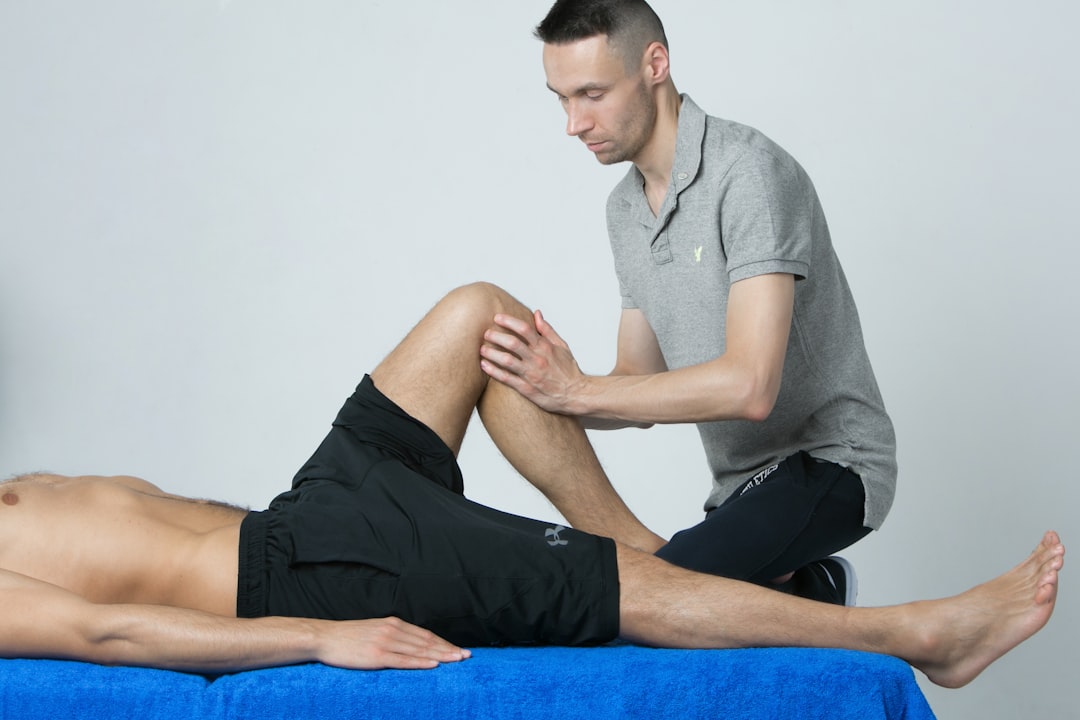

At the first appointment, expect questions about when the pain began, whether it followed a fall or sudden movement, and what makes it better or worse. The physiotherapist may assess active movement, which is how far you can move the arm yourself, and passive movement, where the arm is guided carefully. They may also compare strength on both sides, observe the shoulder blade, and screen the neck if symptoms travel down the arm. You can review local shoulder physio near me options while checking whether each provider explains the findings in plain language and gives you a clear next step.
The likely approach depends on how the problem started. Pain that built up after painting a ceiling, serving in tennis, or repeatedly lifting stock may call for temporary changes to the activity and a gradual strengthening plan. Tendons are firm tissues connecting muscle to bone, and irritated tendons often tolerate carefully increased loading better than complete inactivity, although the right pace differs between people. Pain after a fall onto an outstretched hand needs a different assessment because the joint, soft tissues, or bone may be involved. Prompt medical attention is sensible if the shoulder looks misshapen, pain is severe after trauma, or you cannot use the arm.
Treatment should follow the examination rather than a preset routine. Exercises might target the rotator cuff, the group of muscles and tendons that helps support and rotate the shoulder, or the muscles that guide the shoulder blade as the arm rises. A useful programme is usually specific about repetitions, rest, and the amount of discomfort that is acceptable during and after exercise. The physiotherapist may also adjust how you lift, sleep, work at a desk, or return to swimming. Hands-on treatment can sometimes reduce stiffness or pain, but it is generally more useful when paired with exercises and practical instructions you can follow between appointments.
Ask how progress will be measured. A clinician might record how high you can reach, whether you can place a hand behind your back, or how long you can work before symptoms increase. Those simple reference points make it easier to tell whether the plan is helping than relying on a vague sense that the shoulder feels different. Also ask who will review you, how long the initial consultation lasts, and what happens if the first approach is not helping. A patient should not leave with a list of exercises they cannot explain or a warning to stop every activity without a reason.
Small preparation steps can make the assessment more useful. Before attending, note the date or approximate period when symptoms began, the movement that first exposed them, and any treatment or medication you have already tried. Bring a referral or scan report if one was provided, but remember that an image does not always explain the source of pain on its own. It can help to write down whether sleep is disturbed and which side you use for work. An office worker who keeps moving the mouse away from the body may need a different adjustment from a swimmer returning to overhead strokes.
A local clinic may be practical if its appointment times fit around school runs, shifts, or training. A shoulder care in newport provider should be able to discuss how treatment relates to your actual routine, whether that means carrying groceries, reaching a work shelf, or lifting at the gym. Ask whether the service regularly assesses musculoskeletal shoulder problems and offers an in-person review. If several visits are likely, check travel time and cancellation arrangements before booking, since an inconvenient schedule can make it harder to complete a gradual exercise programme.
Be wary of guarantees that one session will remove the pain or that one technique suits every shoulder. Recovery can be affected by the cause, how long symptoms have been present, general health, sleep, workload, and the shoulder’s response to activity. Seek medical advice if pain is accompanied by fever, unexplained weight loss, unusual swelling, persistent numbness, or weakness that is worsening. A physiotherapist may also refer you to a doctor or another health practitioner when the pattern does not fit a straightforward muscle or joint problem. The most suitable service is one that links its assessment and follow-up to the movement you need to regain.