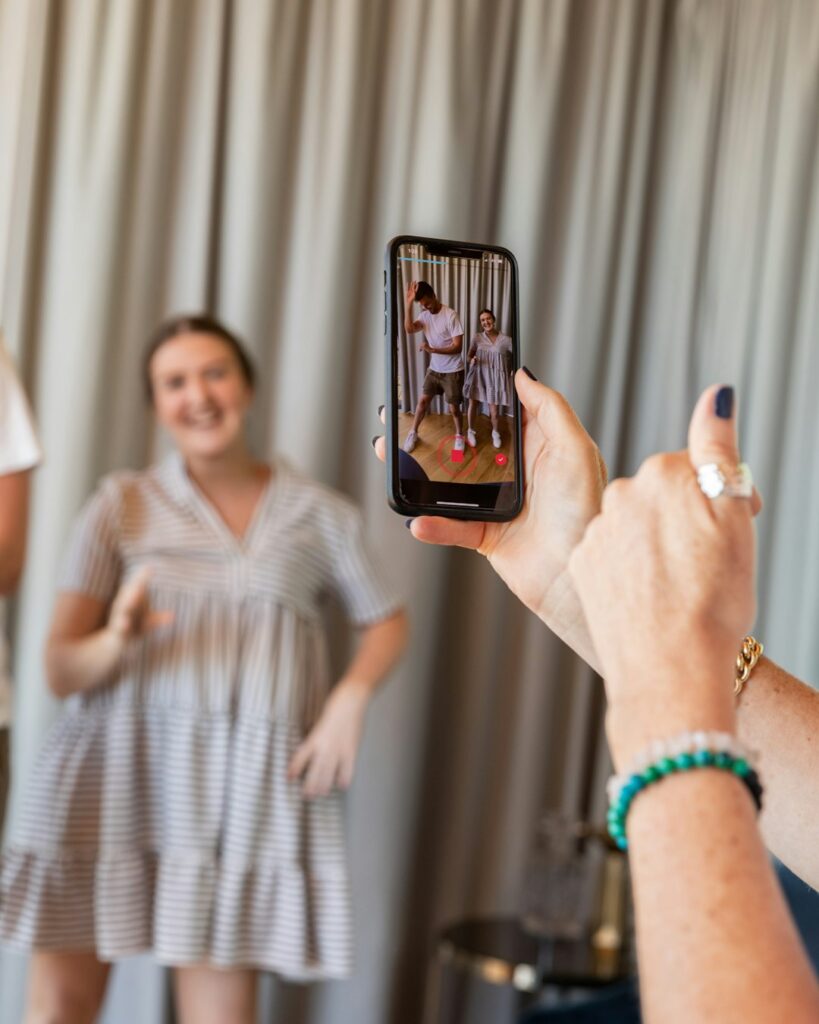

Start with audience fit rather than follower totals. This means checking whether a creator’s viewers resemble the people you want to reach, including their location, interests, age range and likely buying context. Imagine a regional café seeking local customers: a food creator with a modest nearby audience could be more suitable than a national lifestyle account whose followers rarely visit that area. Ask how talent is selected and whether the agency can offer different sizes, styles and disciplines. A smaller account may have a closer relationship with followers, while a larger one may offer broader reach. Neither choice is automatically better.
The numbers require careful interpretation. Reach is the estimated number of unique people who may see content, while impressions count total displays, including repeat views. Engagement rate measures interactions such as comments, shares, saves and likes against a chosen audience measure. Ask which calculation is being used, since rates can look different when based on followers, reach or impressions. Request recent examples relevant to the proposed platform rather than relying on one impressive result. Product consideration may place more value on saves and meaningful comments, whereas awareness work may prioritise reach and completed video views.
Your brief should spell out exactly what the fee buys. Deliverables might include one short video, two story frames, still images or a live appearance, with formats and posting dates stated clearly. Usage rights explain where and how the brand may reuse content, such as on its website, in paid advertising or on retail screens, and for how long. Those rights can materially affect the price. Whitelisting, sometimes called creator licensing, permits a brand to run advertising through or using a creator’s account identity. It differs from an organic post, so it should never be assumed to be included.
A common misconception is that casting means choosing people with attractive feeds alone. Consider a hypothetical skincare company seeking demonstrations. It may need creators who can explain a routine clearly on camera, not simply produce polished product photography. A national service might require metropolitan and regional voices, while an event may need performers, models or presenters who can attend at a fixed time. Ask about availability, location, accessibility needs and backup options before announcing a launch date. Representation also deserves care: a varied shortlist is useful only when selected people are treated as credible contributors rather than decorative additions.
Test the working process before signing. Ask who writes the brief, introduces the talent, checks concepts, manages approvals and handles late changes. Clear australian creator representation should include practical communication, not only an attractive shortlist. Clarify whether revisions are limited, what happens if a creator misses a deadline and who owns the finished files. Direct outreach may cost less for a small campaign if you already know suitable creators. For a larger or sensitive project, an agency fee may be justified when several contracts, locations and production dates must be coordinated.
Judge the proposal by the clarity of its recommendations, not polished promises. It should connect each creator to a specific audience or campaign task, identify deliverables, separate talent fees from production and media costs, and state the approval timetable. Keep performance claims conditional, because no agency can guarantee how people will respond to an advertisement. Check that sponsored content will be identified in line with applicable Australian advertising and platform requirements, and ask who monitors posts after publication. Compare proposals against your written brief, then challenge any cost, assumption or missing responsibility that remains unclear.