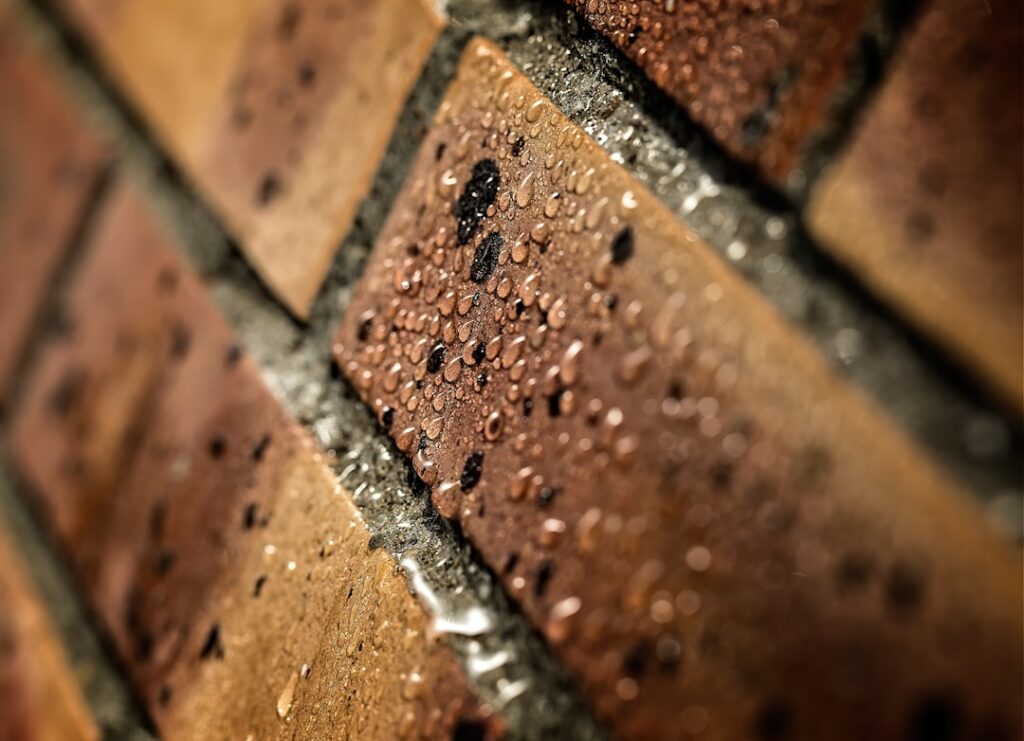

These membranes stick well to different surfaces such as concrete, wood, and even submerged areas like pools or fountains. That adaptability makes them useful inside the home and outdoors. For example, if you have an old pool that’s prone to leaks, applying a liquid membrane can extend its life by sealing out water. In basements, these coatings help keep humidity levels down, protecting stored belongings and making the space more comfortable.
Understanding the material helps when choosing the right product. A good liquid membrane offers elasticity, allowing it to stretch and contract with temperature swings without cracking. This feature matters in places with hot summers and freezing winters. Some types also have UV resistance, so they hold up well under constant sunlight. Checking product specifications on datasheets can reveal details like drying time and coverage rates, which are handy for planning.
For DIY enthusiasts, applying these membranes is usually manageable. Preparation is critical: surfaces must be clean, dry, and free of loose debris or peeling paint before you start. Application typically involves brushing or rolling on one or more coats, with each layer needing time to cure fully before the next step. Rushing this process often leads to peeling or bubbles later on. Taking time to follow instructions carefully can prevent having to redo work.
Estimating how much product is needed can be tricky without proper tools. Using a coverage calculator based on your measured surface area helps avoid buying too much or too little material. For instance, knowing that one pint covers around 20 square feet on a smooth surface keeps waste down and costs in check. Always factor in extra for uneven textures or porous areas that absorb more product.
For businesses handling multiple construction or renovation projects, comparing waterproofing products side-by-side saves time and money. Look at factors like drying times, flexibility, UV protection, and whether the membrane is suitable for indoor or outdoor use. Some charts include recommended application methods and safety precautions. Having this information handy prevents costly mistakes and ensures the right product for each job.
When exploring quality waterproofing options, signing up for newsletters from suppliers can keep you informed about new products and techniques. Staying current helps avoid outdated methods that might fail prematurely. Also, suppliers often provide technical sheets and videos clarifying common questions that come up during application.
If you’re uncertain about which product fits your project or need guidance on installation, don’t hesitate to contact manufacturers’ customer support. They can offer advice tailored to your specific situation. It’s common for homeowners to underestimate surface preparation or the number of coats required, so getting input can save headaches later.
Investing in proper waterproofing protects your property’s structure and value over time. Preventing water damage early avoids major repairs down the line and keeps your living spaces dry and usable. For more detailed instructions and project ideas, check out resources available online like basement waterproofing techniques.