
Begin with observations from the ground or from a safe interior position. Look for slipped or broken tiles, rusted sheet metal, loose ridge caps, cracked sealant and leaves gathered near valleys or outlets. Flashing is the thin waterproofing material installed around chimneys, edges, joints and roof penetrations to direct water away from vulnerable points. A written note of each finding helps prevent a contractor from having to repeat the same inspection. Guidance on roof maintenance can also clarify the difference between routine cleaning and repair work.
Cleaning can remove moss, lichen, leaves, loose grit and nesting material, but it should not be treated as a cure for every leak. Moss and lichen may retain moisture against some roofing surfaces, while debris can obstruct gutters and downpipes. Pressure washing may be unsuitable for older tiles, painted metal or fragile coatings because water and force can damage surfaces or drive water beneath overlaps. Ask the contractor to name the proposed method for the specific roof material. The written scope should state whether debris will be collected, outlets checked and newly observed damage reported.
Ponding means water remains on a roof section after nearby areas have dried. It can result from blocked drainage, inadequate falls, a sagging deck or a fault in the waterproofing system. Low-slope roofs often use a membrane, which is a continuous water-resistant layer covering the deck. Sharp tools, trapped moisture and unsuitable equipment can damage it, so a patch should not be specified without considering the surrounding condition. Ask what caused the defect, whether movement or drainage contributed to it, and whether the proposed repair is compatible with the existing membrane.
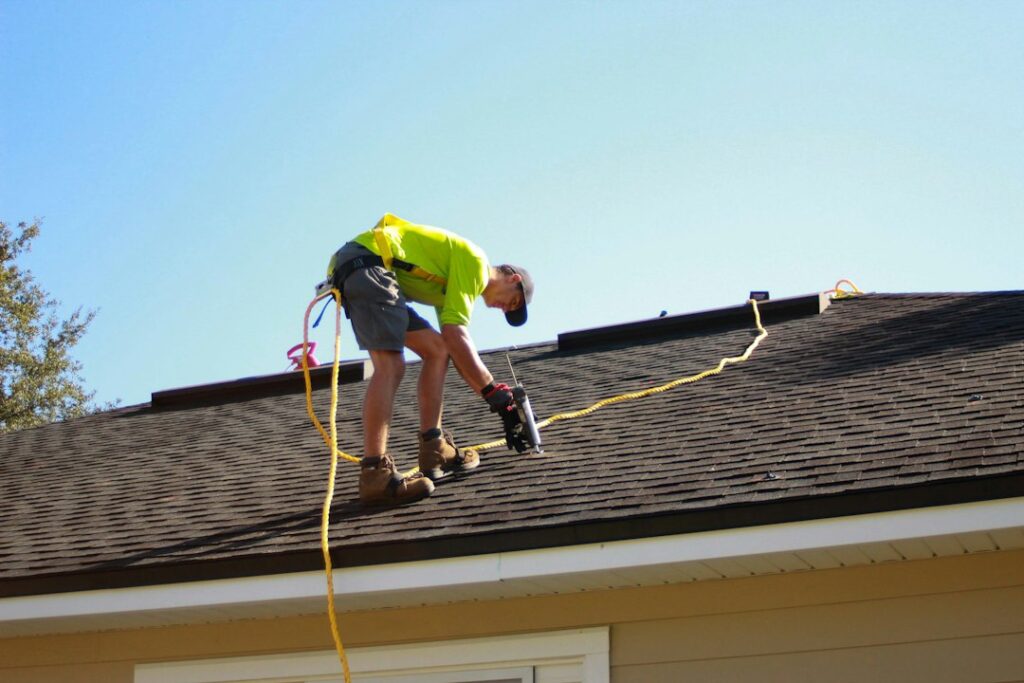
The building itself should influence the inspection plan. A small tiled house may need careful tile replacement, valley clearing and gutter work, while a warehouse or strata property may require access controls, exclusion zones and coordination with occupants. Roof access may involve a ladder, temporary platform, walkway or powered equipment, depending on height, surface, weather and task. Check every quotation for access, inspection, cleaning, minor repairs and waste removal. A low initial figure may exclude the equipment or disposal work needed to complete the stated job safely.
Consider a shop where water appears beside a skylight only during wind-driven rain. Replacing the visible seal may help, but the inspection should also cover the surrounding flashing, fasteners, frame and roof laps. A different failure can occur at a valley between two pitched sections, where leaves restrict flow and send water beneath the tiles during a storm. Clearing the valley may restore drainage, yet cracked tiles or damaged underlay can remain. A useful practitioner tests the likely path of water, records the evidence and separates confirmed repairs from assumptions.
Before work starts, request a written description of the roof areas to be inspected, the cleaning technique, access arrangements and weather limits. Ask how fragile surfaces will be protected and whether the crew will stop if wet conditions make access unsafe. Agree on the way urgent defects will be reported, such as a phone call followed by photographs and a short written note. Keep the quotation, inspection report and before-and-after images together. That file is useful when a stain returns, when another contractor reviews the roof or when planned work is divided into stages.
A practical schedule can pair gutter checks with a broader roof assessment after severe weather, but the interval should reflect nearby trees, roof materials, drainage design and the building’s use. Leaves may require attention before the next wet season, while a roof with little surrounding vegetation may need less frequent clearing. Before arranging access, confirm who controls the site, where workers can park or unload equipment, and which rooms or walkways need protection. For further safe roof access planning, focus on information about surface condition, equipment, exclusion areas and the exact task rather than a promise of a quick clean.