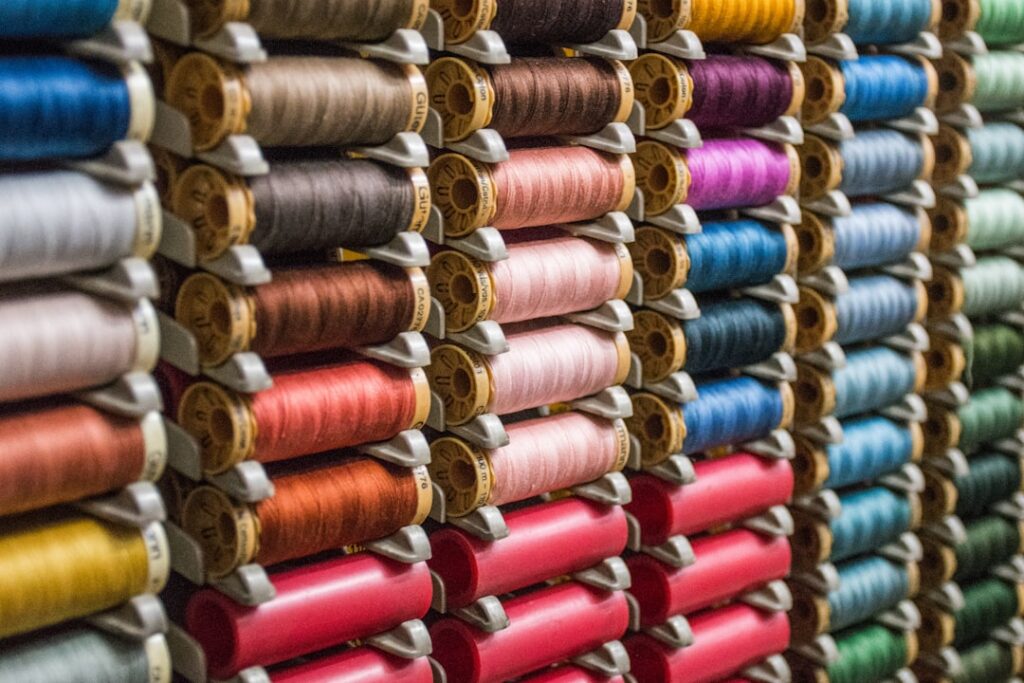

Fiber-to-fiber recycling involves breaking down used fabric into its raw fibers, which are then cleaned and spun into yarn again. This reduces reliance on virgin fibers, which often require intensive water use and chemicals to produce. For example, a garment factory with leftover cuttings can collect these scraps rather than sending them to trash. By feeding them into fiber recycling, those remnants gain new life as material for future clothes.
Retailers also struggle with unsold stock at the end of seasons. Instead of disposing of these items, they can recycle the textiles to extract fibers for reuse. This approach cuts waste and supports a more sustainable supply chain, which appeals to customers who care about environmental impact. It’s common for brands to face confusion over sorting mixed fabrics; staff often need refresher training on identifying fiber types correctly to avoid contamination and costly reprocessing.
The recycling process itself has several stages: sorting textiles by fiber content, shredding the fabric into smaller pieces, then using mechanical or chemical treatments to purify and separate the fibers. Sorting requires trained workers or automated systems to distinguish cotton from synthetics, since mixed fibers complicate recycling quality. Shredding must be carefully controlled to avoid damaging fibers, while chemical processing cleans dyes and finishes. Quality checks happen throughout to ensure the recycled fibers meet garment standards.
Input materials come from two main sources: post-consumer textiles discarded after use, and post-industrial scraps generated during manufacturing. Post-consumer items often have varied blends and contaminants like zippers or buttons, requiring extra sorting effort. Post-industrial scraps tend to be more consistent but still demand careful segregation. Businesses that maintain detailed logs of fabric types and keep scraps separated by fiber find recycling more efficient and reduce mistakes that lead to material rejection.
Recycled fibers now go into a wide range of products, from casual t-shirts to specialized sportswear. Advances in recycling technology have improved fiber strength and texture, narrowing the gap with virgin materials. Brands adopting these fibers not only lessen environmental impact but also meet growing consumer demand for transparency and sustainable sourcing. It’s common for manufacturers to run pilot batches with recycled yarns first, adjusting machine settings to handle slight differences in fiber behavior.
Investing in dedicated recycling facilities can boost a company’s capacity to process textile waste effectively. These centers handle large volumes while maintaining quality control and energy efficiency. As companies see cost savings from using recycled fibers and benefit from positive customer perception, interest in building or partnering with such facilities increases. Workers involved in recycling often develop hands-on expertise in fabric identification and machinery operation, skills that support ongoing improvements.
The fashion industry must push harder to close the textile waste loop through approaches like textile scrap recycling. Besides cutting environmental harm, these efforts create jobs in sustainable manufacturing sectors. For practical advice on how to implement recycling programs or improve material management, businesses can visit . Embracing these changes benefits not just the planet but also companies aiming for resilient supply chains and loyal customers.